
Last updated August 27, 2026
Free in-home measure and quote - PGT, CGI and CWS impact lines compared on your actual openings, style by style
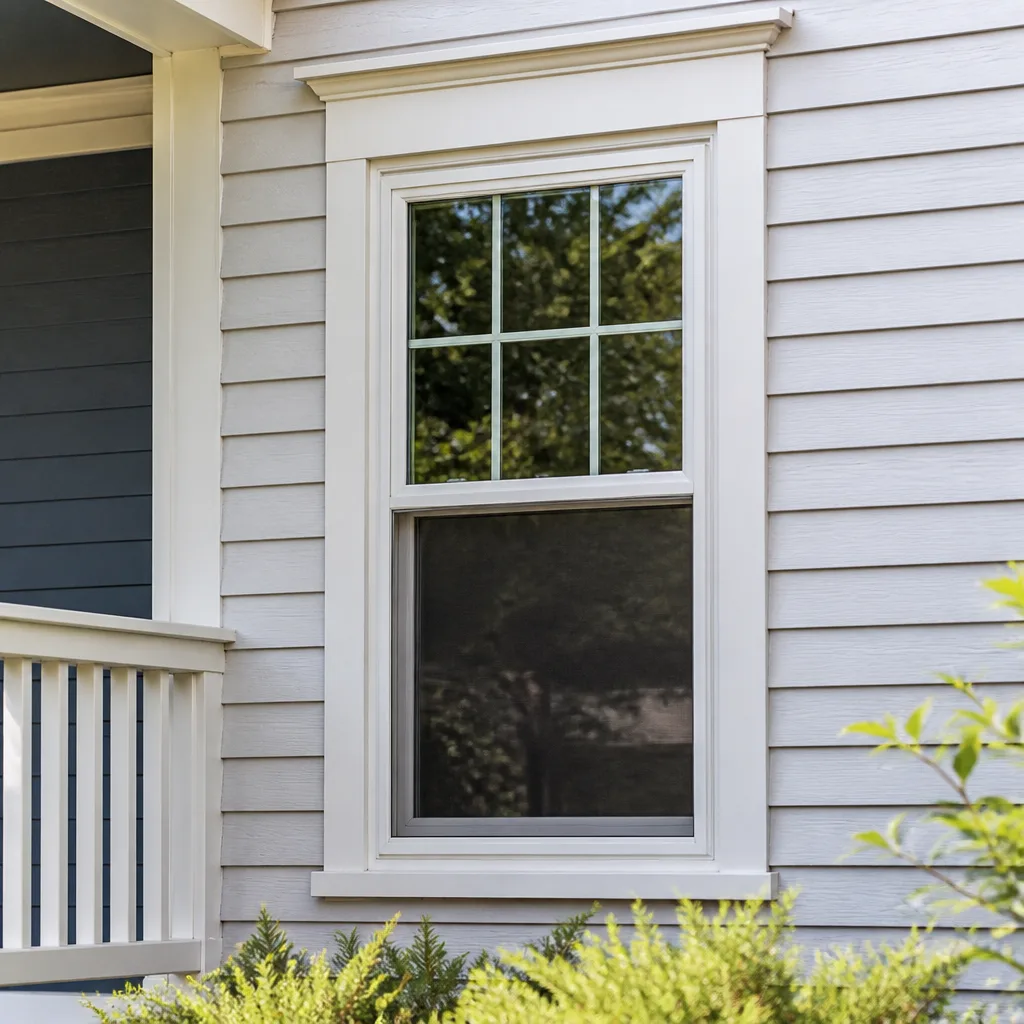
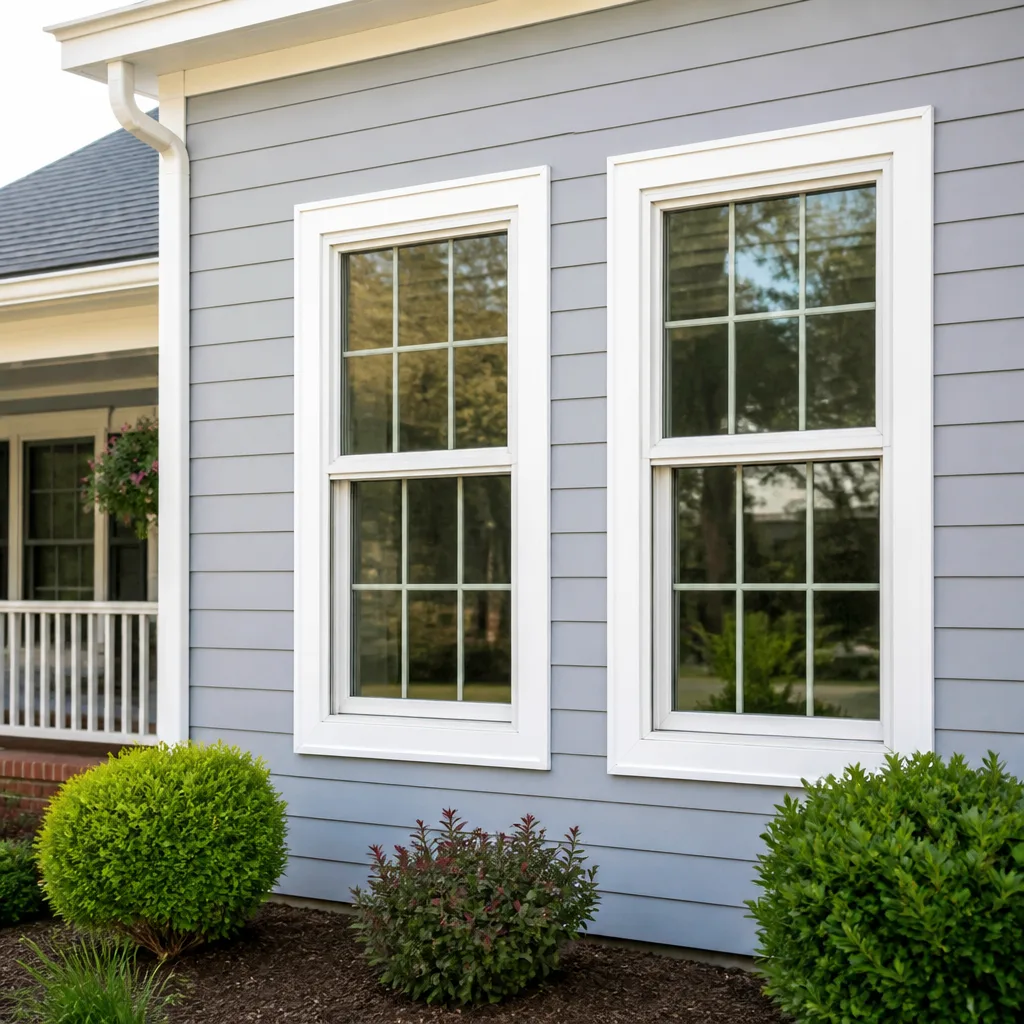
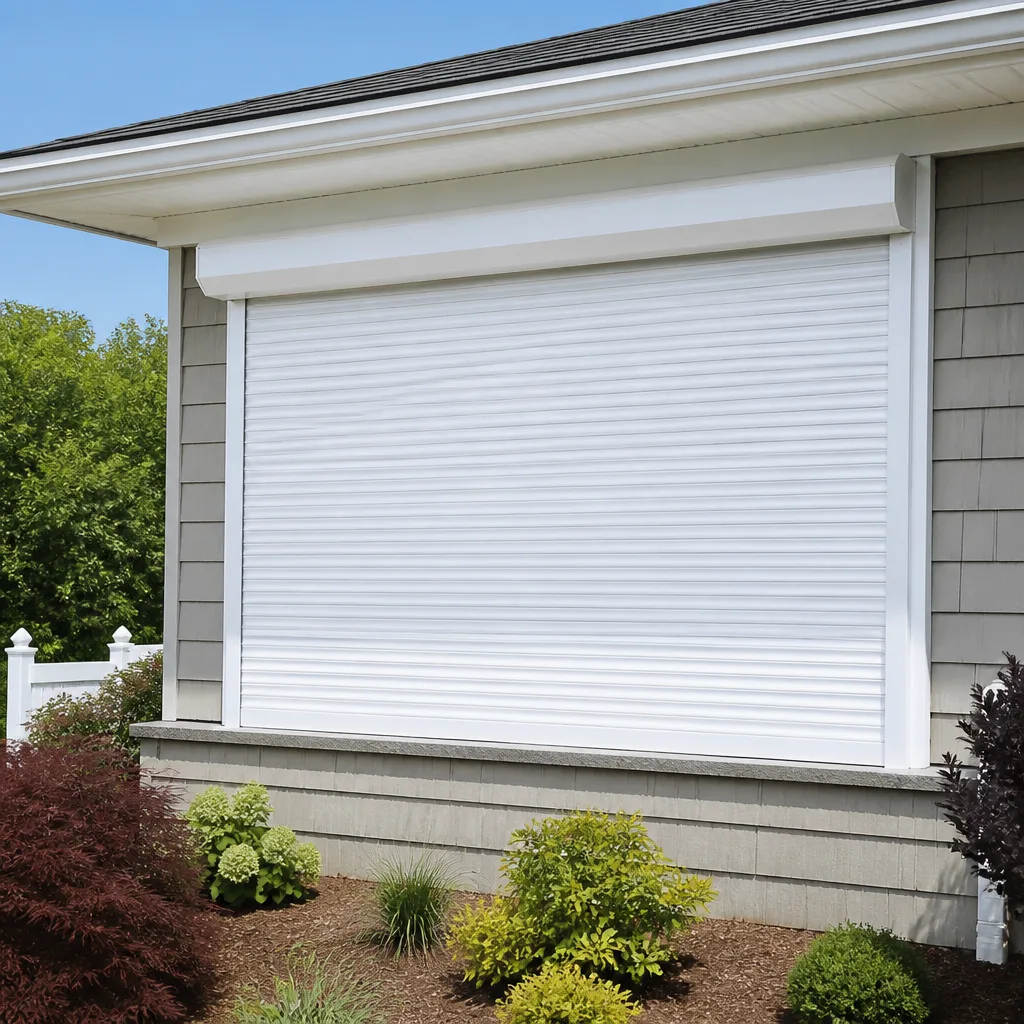
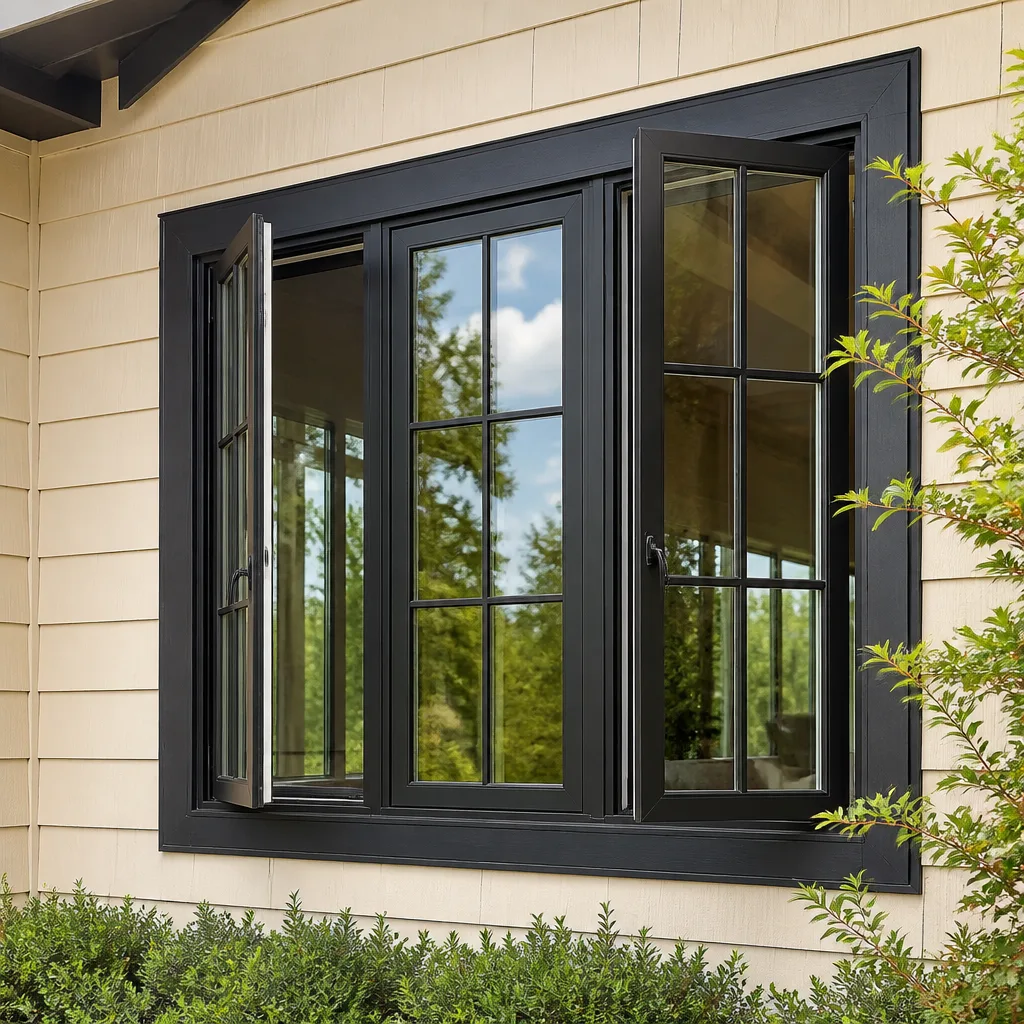
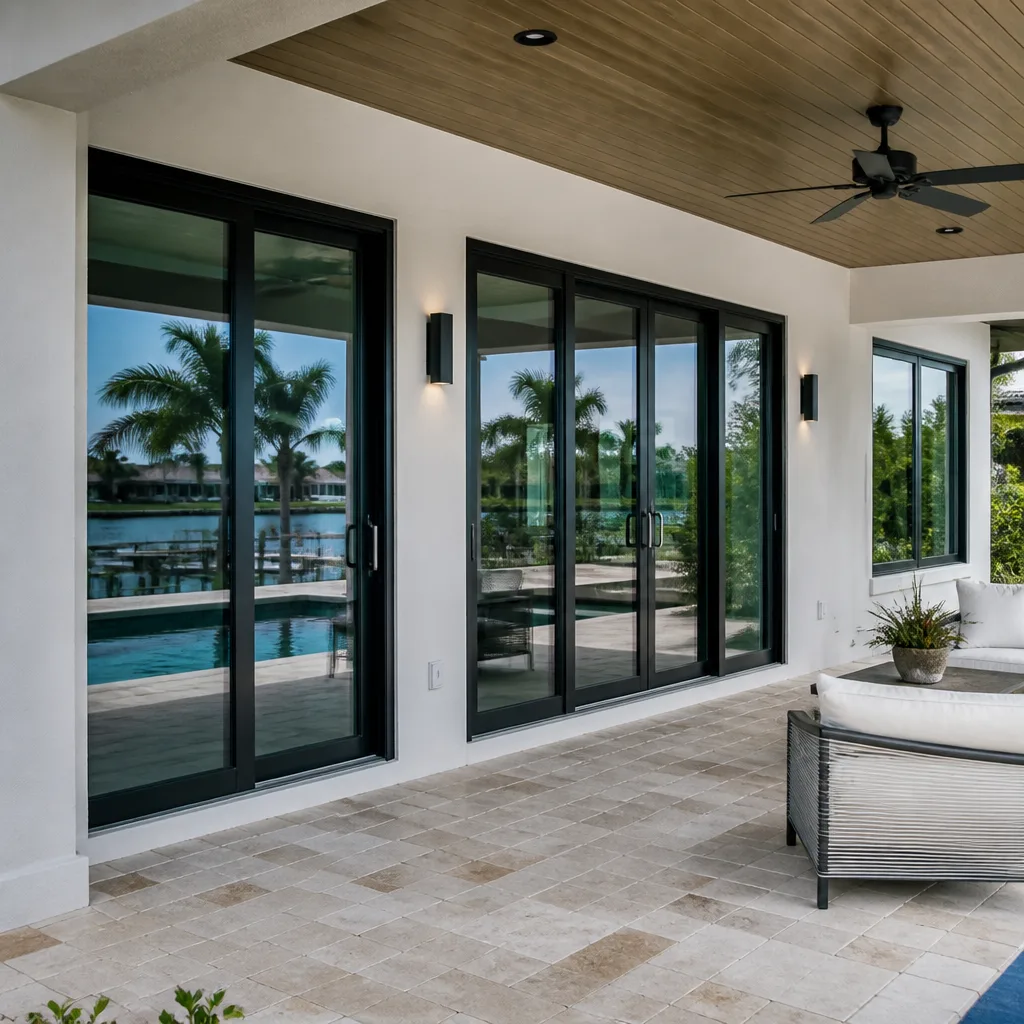
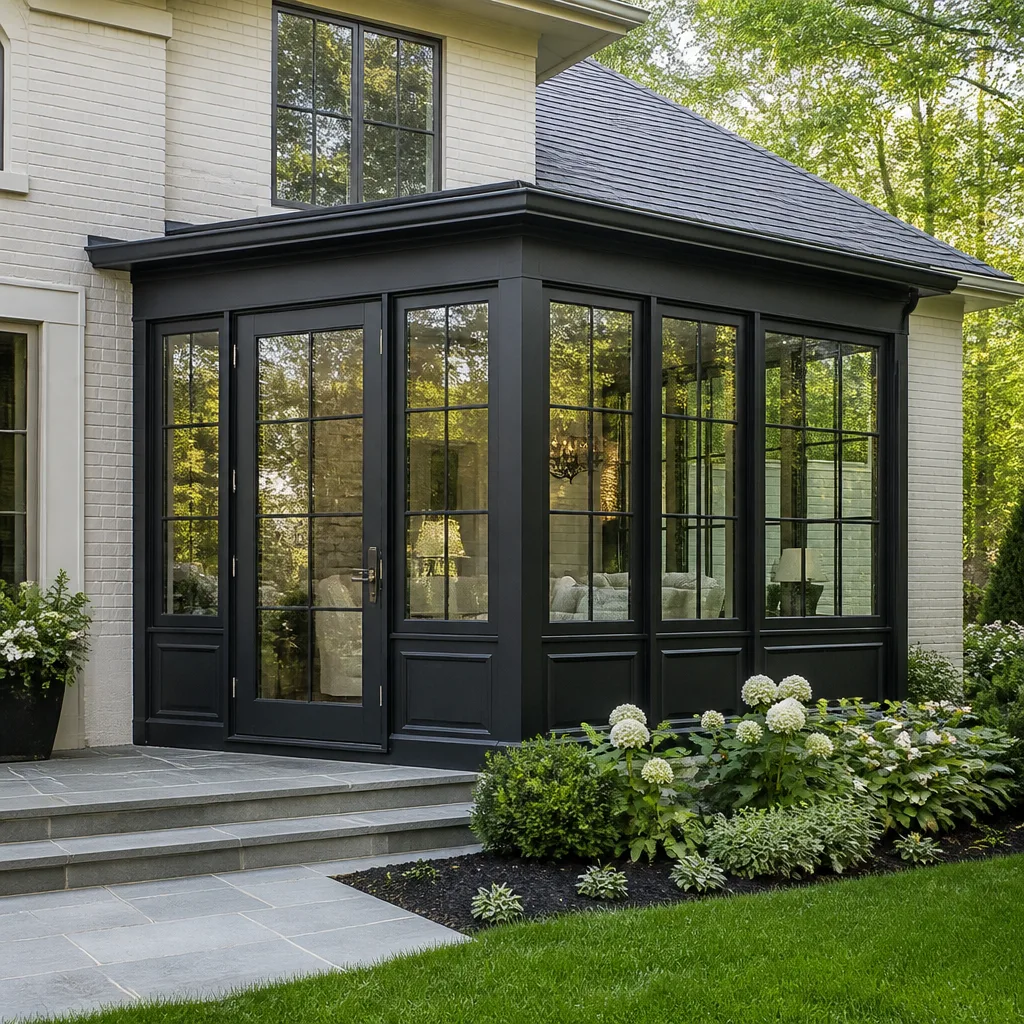
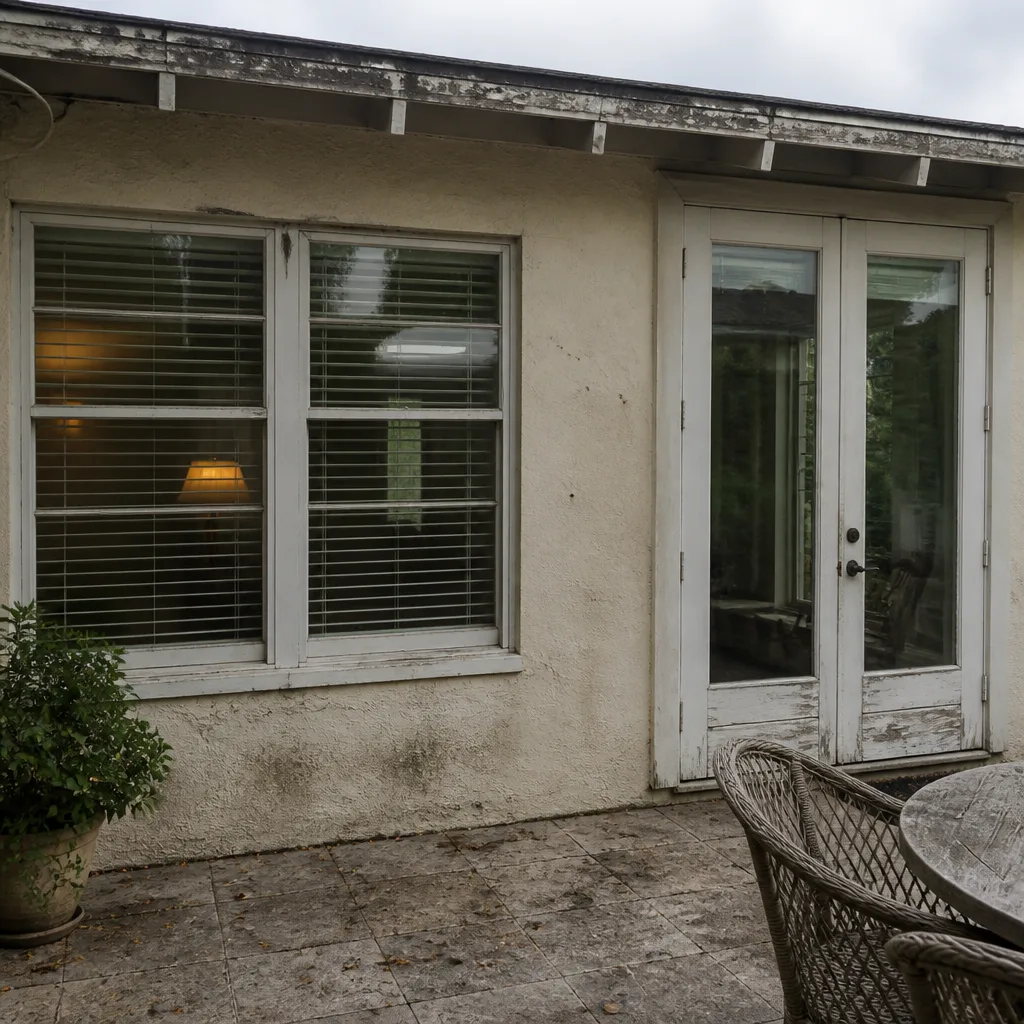 Before
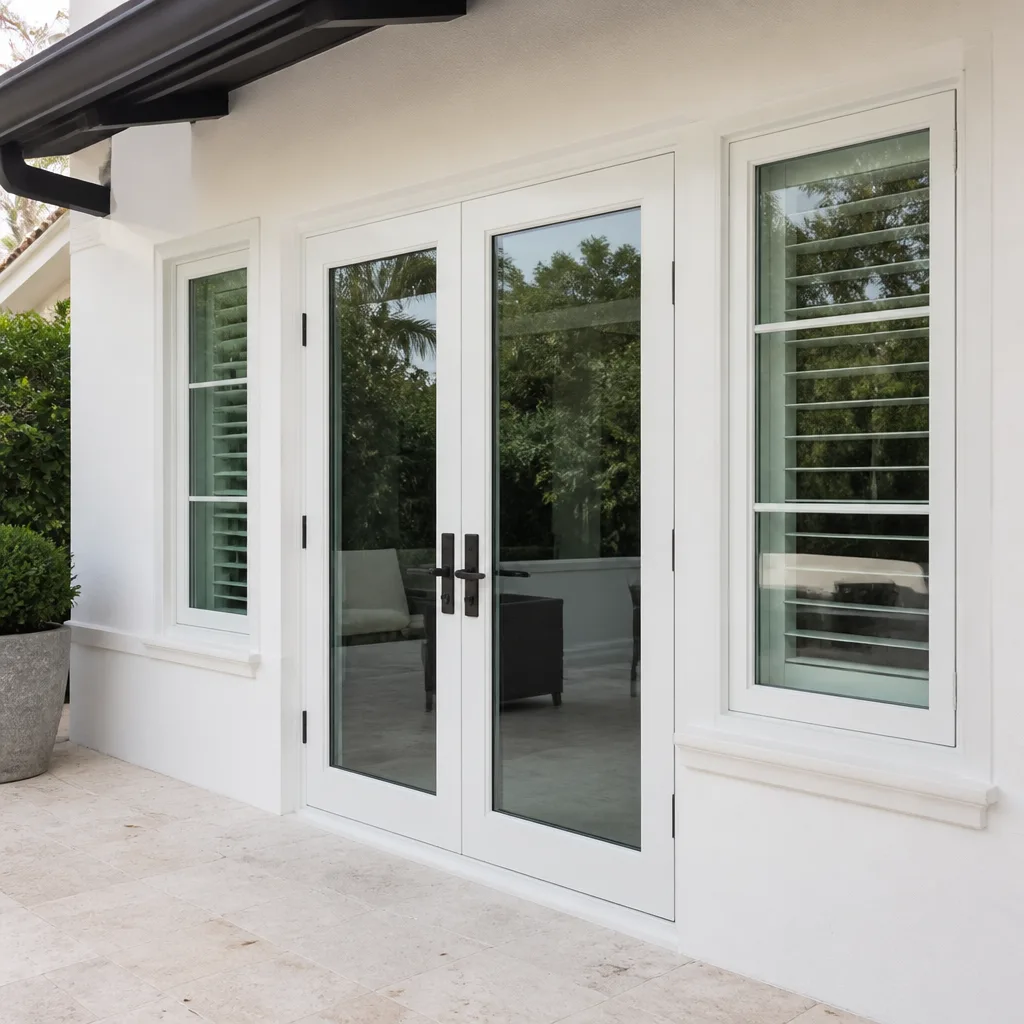 After
After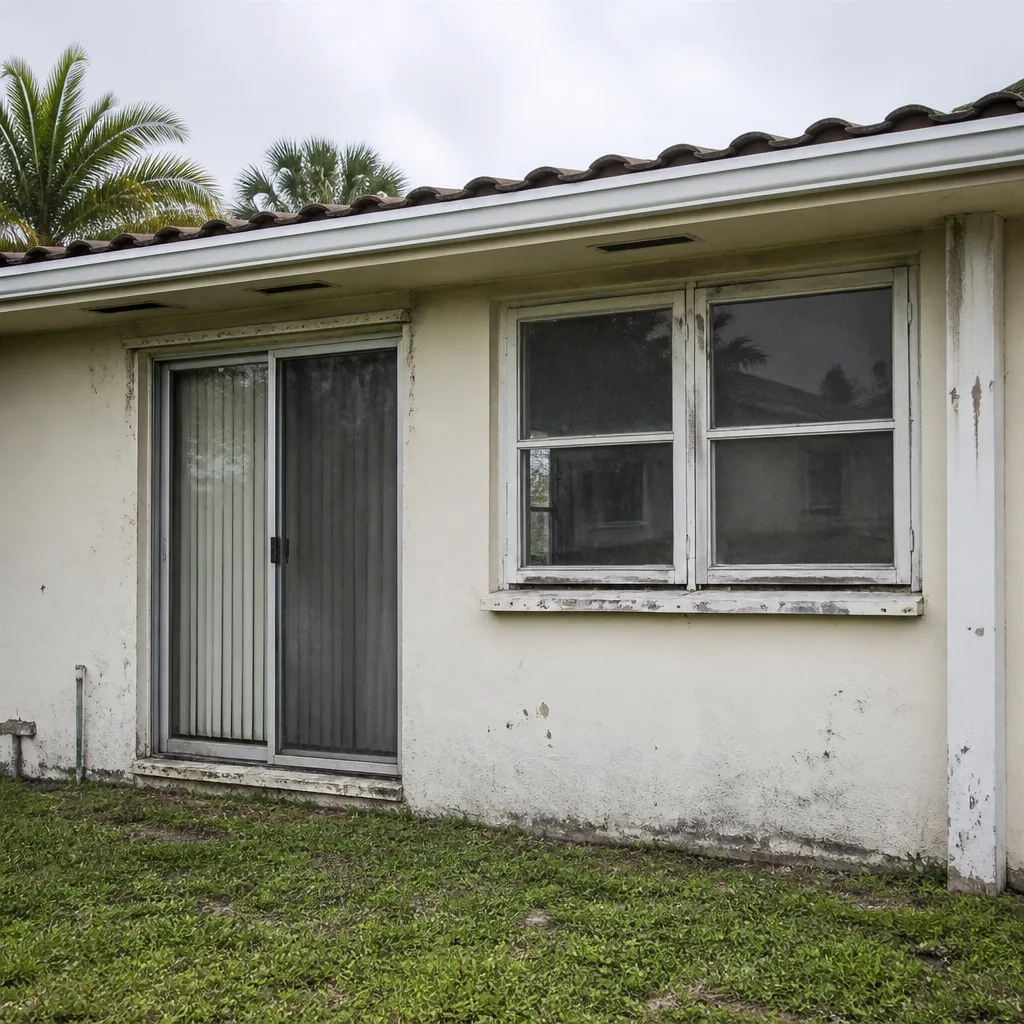 Before
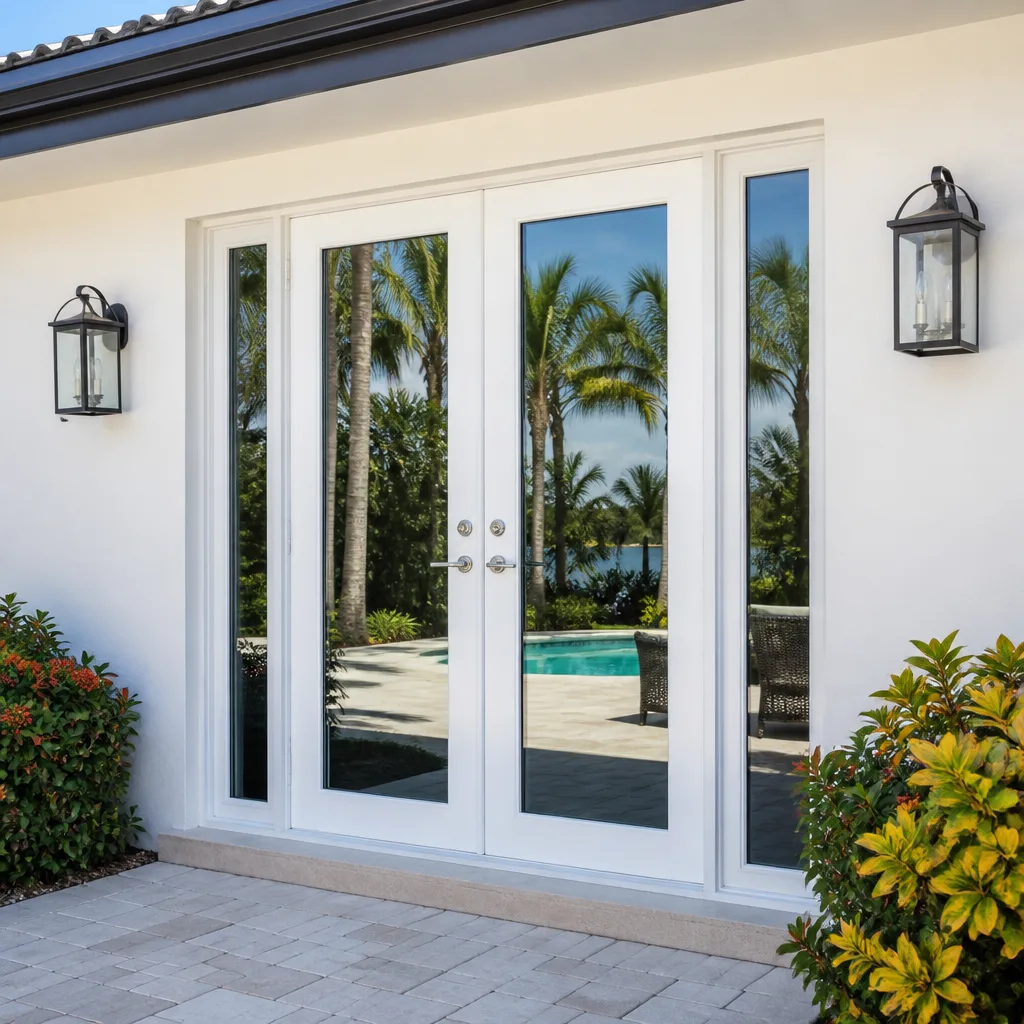 After
After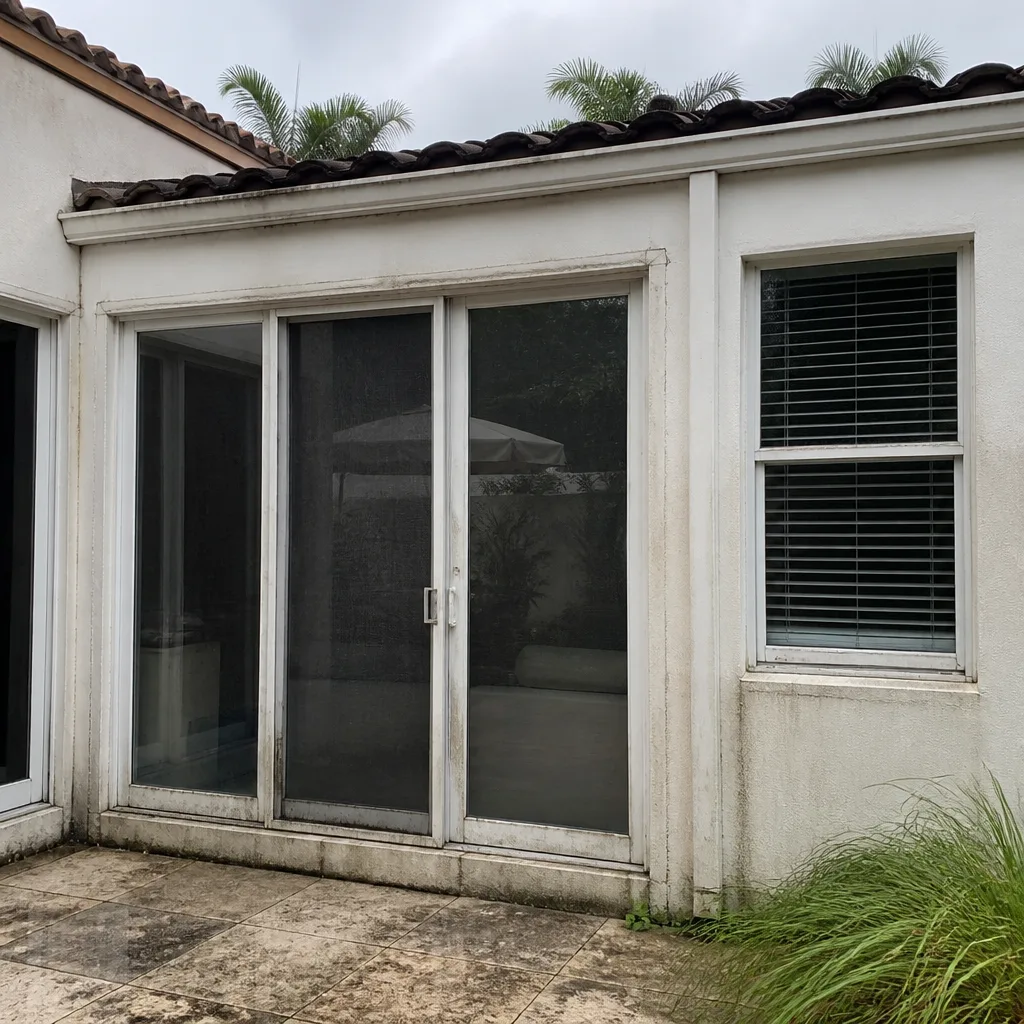 Before
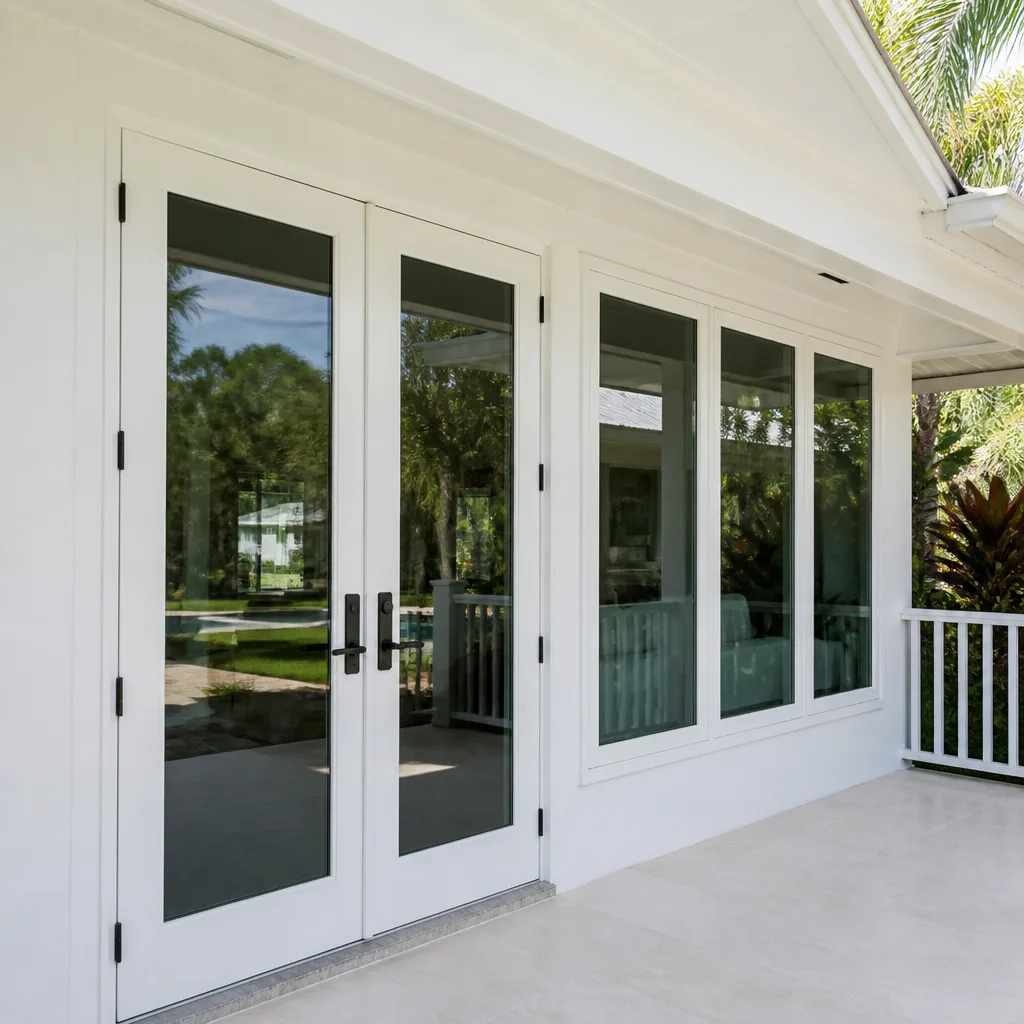 After
AfterWindows & Doors Permits, Codes & Inspections in FL: What You Need to Know
Most Palm Beach homeowners think a permit is just a fee and a signature. They’re wrong. A permit is the only legal record that proves your impact windows and doors were installed to Florida Building Code, and that record is exactly what your insurance company, your buyer’s title search, and the county’s lien system all check when money is on the line. In 2023, a Palm Beach home sale fell through because an unpermitted impact-window job from four years earlier showed up in the municipal lien search, and the seller ate a $47,000 tear-out and remediation bill two weeks before closing. Winslow Windows & Doors home has helped homeowners untangle exactly these messes since 2011. This guide walks you through every requirement, every inspection, and every consequence so you never inherit someone else’s shortcut.
Quick Answer
In Florida, any window or door replacement that changes the size of the opening, alters the structure, or swaps in impact-rated products requires a permit. In Palm Beach County, that permit requires product approval numbers from the Florida Product Approval database, a Notice of Acceptance (NOA) for impact products, and at least two inspections: a rough-in and a final. For a deeper look at what to watch for, see our Windows & Doors Warning Signs: A Palm Beach Homeowner’s Reference Guide. Skipping any of these steps can trigger insurance-policy gaps, failed home sales, and mandatory tear-outs at the homeowner’s expense.
Table of Contents
- Why Florida Requires Permits for Windows and Doors at All
- The Difference Between a Notice of Acceptance (NOA) and a Permit, and Why You Need Both
- Palm Beach County’s Submittal Checklist vs. What Broward County Requires (They Are Not the Same)
- How the Florida Product Approval Database Works and When Your Contractor Should Pull It
- Rough-In Inspection, Final Inspection, and Certificate of Completion: What Each One Covers
- How an Open or Failed Permit Affects Your Homeowners Insurance Renewal
- What to Do If You Inherited an Unpermitted Window Job When You Bought the House
- Common Mistakes to Avoid
- When to Call a Professional
- Frequently Asked Questions
- The Bottom Line
Why Florida Requires Permits for Windows and Doors at All
Florida’s building code is not a suggestion. It exists because hurricanes kill people through building failures, and windows and doors are the weakest points in any exterior wall. A window that blows out during a storm doesn’t just let water in. It pressurizes the house from the inside, which can lift the roof off entirely. Palm Beach sits inside the High Velocity Hurricane Zone (HVHZ), which carries the most stringent wind-load requirements in the country. That’s not bureaucratic overreach. That’s physics.
When you pull a permit for a window or door job, the county is not just collecting a fee. It’s creating a paper trail that says: this specific product, installed by this specific contractor, passed inspection on this specific date. If you ever sell the house, that paper trail is what the title company searches for. If you ever file a claim, that paper trail is what the insurance adjuster asks to see.
What Happens Without a Permit
- Insurance non-renewal or claim denial: Your carrier can argue the unpermitted work constitutes undisclosed modification. Some policies specifically exclude damage caused by unpermitted construction.
- Failed sale: Municipal lien searches flag open and unpermitted permits. Buyers’ lenders routinely refuse to close until the issue resolves.
- Forced tear-out: If a code enforcement officer or building official flags the work, you may have to remove the window or door and start over, this time with permits.
- Liability: If an unpermitted door injures someone, your homeowner’s insurance may not cover the claim.
We’ve had Palm Beach homeowners call us after the fact, unsure whether their windows were ever permitted. The conversation usually starts the same way: “The previous owner said he handled everything.” A permit search is the only way to know for sure, and it should happen before you buy, not after.
The Difference Between a Notice of Acceptance (NOA) and a Permit, and Why You Need Both
This is where even experienced homeowners get confused. A permit is issued by the local building department and authorizes work at a specific address. A Notice of Acceptance, or NOA, is issued by the State of Florida and certifies that a specific product model has passed impact testing for use inside the HVHZ. You need both, and they do different jobs.
Think of the NOA as the product’s passport and the permit as the work visa. The NOA says: this window, with this frame, this glass, this hardware configuration, has been shot with a 9-pound 2×4 at 34 mph and held its structural integrity. The permit says: this specific installation at 435 Ocean Drive will use NOA-approved products, properly anchored, by a licensed contractor.
What an NOA Actually Tells You
- The product name and manufacturer.
- The maximum size allowed for impact rating.
- The specific frame material and glass type.
- The anchoring requirements for installation.
- The design pressure (DP) rating, which tells you how much wind load the product can resist.
- An expiration date, because NOAs do lapse and must be renewed.
We cut glass only after both documents are in hand. If a contractor in Palm Beach gives you a quote for impact windows without referencing an NOA number, the quote is incomplete. The NOA number tells you the product is legal in the HVHZ. The permit tells you the installation will be inspected against that standard.
For homeowners building or replacing in coastal Palm Beach, understanding this distinction matters before any deposit changes hands. The team behind our Impact Windows in Palm Beach work pulls NOAs at the quoting stage, not the installation stage. That’s the only sequence that protects you.
Palm Beach County’s Submittal Checklist vs. What Broward County Requires (They Are Not the Same)
If you live in Boca Raton, Delray Beach, or Boynton Beach, you’re in Palm Beach County. If you cross the county line into Deerfield Beach or Pompano Beach, the rules change. People assume South Florida is one big permitting zone. It isn’t. Here’s a breakdown of what each county actually requires for a standard window or door replacement.
Palm Beach County Submittal Checklist
- Permit application with the property address, legal description, and parcel number.
- Two sets of drawings showing window and door sizes, header details, anchoring methods, and product locations.
- Product Approval numbers pulled from the Florida Product Approval database (floridabuilding.org).
- NOA copies for every impact product specified.
- Notice of Commencement (NOC) recorded with the county clerk for jobs over $2,500. This documented start protects the owner from liens.
- Applicable fees based on valuation of the permitted work.
Broward County Submittal Checklist
- Permit application with the property folio number.
- Product Approval numbers, same statewide database.
- NOA copies, same requirement.
- Shutter protection affidavit if you’re not installing impact glazing, meaning you must list the shutter or panel protection instead of the windows themselves.
- Notice of Commencement for jobs over $2,500.
Notice what Palm Beach requires that Broward does not: drawn plans. Two sets. This trips up homeowners who hire a contractor that’s busy on both sides of the county line. A contractor running Boca Raton and Deerfield Beach jobs can easily produce a Broward-ready package and then stall on Palm Beach because they never drew elevation plans. The Palm Beach requirement exists because HVHZ wind-load calculations must be listed on plan pages for the plan reviewer to approve.
If you’re replacing windows in West Palm Beach, Lake Worth, or Palm Beach Gardens, expect the plan review step. If your contractor seems surprised by it, hang up. For our clients, Window Installation in Palm Beach always includes permit drawings in the job file before the first hole is cut.
How the Florida Product Approval Database Works and When Your Contractor Should Pull It
The Florida Product Approval database lives at floridabuilding.org. Anyone can search it, free, by manufacturer name, product category, or approval number. It’s public, and it’s the single most underused consumer-protection tool in Florida construction.
Every product used in a permitted window or door opening in Palm Beach County must have a current state product approval. Impact products carry an additional NOA. The approval number proves the product was tested to the Florida Building Code standard in an accredited laboratory. Without that number, your permit dies at plan review.
When a Responsible Contractor Pulls the Number
- During the estimate, before any contract is signed. The contractor should verify the product size, configuration, and DP rating against your specific opening.
- At product ordering, before the manufacturer ships. The approval must still be current. Approvals get updated, sometimes with new frame designs or anchoring specs.
- At permit submittal, as part of the paper package. The plan reviewer will cross-check the number against the database.
A contractor who waits until the day before installation to pull the approval number is gambling with your schedule and your permit. If the number is expired or the size exceeds the approved limit, the permit gets rejected and the job stalls.
We’ve seen homeowners in West Palm Beach and Wellington sign contracts with big-box installers who promise permits but never mention approvals. Then the permit sits in review for three weeks because the product number was wrong. The fix costs time, and in hurricane season, time is exactly what you don’t have.
Rough-In Inspection, Final Inspection, and Certificate of Completion: What Each One Covers
Once the permit is issued and the work begins, the county sends inspectors. Not one inspection. Two, sometimes more. Each serves a specific purpose, and each one catches different failures.
1. Rough-In Inspection
This happens before trim, caulk, or coverings hide the work. The inspector checks anchoring, the header condition, the product tags, and flashing. If the frame is installed with the wrong fasteners or the anchor spacing doesn’t match the NOA, this is where it’s caught. For a sliding glass door, the inspector verifies the bottom track anchoring. For windows with attached mullions, they check the mullion reinforcement before the window is set. This is the inspection most contractors skip, and it’s the one that matters most for structural safety.
2. Final Inspection
After the job is done, the inspector returns to verify the finished work matches the approved plans. They confirm product labels are present, the installation is complete, and any temporary protection has been removed. For impact products in Palm Beach County, they verify the NOA labels are visible and match the permit.
3. Certificate of Completion
When the final inspection passes, the municipality closes the permit and issues a Certificate of Completion, sometimes called a Certificate of Occupancy for structural work. This is the document you file away with your closing papers. Your insurance company may want a copy. A buyer’s title company will want a copy. It’s the proof the job happened legally.
Here’s the problem we see over and over: the rough-in gets skipped because the contractor “forgot” to call it in, and the final inspection passes because the inspector can’t see what’s behind the trim. The owner gets a closed permit, but the structural work was never actually checked. That’s a false sense of security with a hurricane attached.
For Window Replacement in Palm Beach projects, we schedule both inspections and stand on-site for them. Ed’s name is on the door, and on every job we do.
How an Open or Failed Permit Affects Your Homeowners Insurance Renewal
Florida’s insurance market is the most volatile in the country. Carriers are leaving, premiums are climbing, and underwriters are looking for any reason to non-renew. An open or failed permit is a gift to an underwriter who wants to shed risk.
When your policy comes up for renewal, the carrier may run a property inspection or order a permit search through the building department. If they find an open permit, they can’t confirm the work was done to code, and unpermitted work is a known wind-mitigation liability. The result can be a non-renewal letter or a policy exclusion for damage linked to that opening.
In Palm Beach County, some insurance carriers now ask specifically whether any window or door replacements were completed in the last ten years, and require a permit number for each one. If you can’t produce the number, you’re treated as if you have original single-pane windows, even if you paid for PGT and CGI.
A failed final inspection is worse. The permit is open, and the building department may flag the property. Some buyers’ lenders will walk away from an open failed permit faster than from a low appraisal. If you inherited one, fix it before renewal season.
What to Do If You Inherited an Unpermitted Window Job When You Bought the House
This is the scenario that launched this entire guide. You bought a Palm Beach house, loved the impact windows, and moved on. Then the renewal notice comes or the sale contract hits a wall, and someone tells you the windows were never permitted.
First, don’t panic. Here’s the sequence that actually works.
- Run a permit search through the Palm Beach County building department or your local municipality. Many towns like Delray Beach and West Palm Beach have online portals. Search by address and owner name.
- Request the full permit history from the date of construction forward. You’re looking for the window or door permit specifically.
- If no permit exists, contact a licensed local contractor to inspect the work and create a retrofit permit application. The work often meets code but was never documented.
- Prepare for a retrofit inspection. Some municipalities will open a new permit, inspect the existing installation, and close it. Others require partial disassembly to verify anchoring.
- Document everything, then send the closed permit and Certificate of Completion to your insurance carrier.
The retrofit permit path is easier than you think, but it requires a contractor who knows the Palm Beach County review process. Big chains won’t touch it. We’ve walked homeowners through this in Boynton Beach, Jupiter, and Lantana, and the outcome is usually a clean permit, a happy insurance carrier, and a sale that closes.
Common Mistakes to Avoid
- Hiring a contractor who offers a “discount” for skipping permits. The permit fee in Palm Beach County is a few hundred dollars. The tear-out costs ten times that. The math never works in your favor.
- Assuming the previous owner handled the permits. Title searches don’t always flag unpermitted work, especially if it was never inspected. Verify before you buy.
- Trusting a product’s brand name instead of its NOA number. PGT and CGI make registered products, but not every configuration is approved for every opening size. The NOA number is the only guarantee.
- Replacing windows before a roofline repair. If water is already entering above the window, the new product doesn’t fix the problem. Address the building envelope first.
- Using a Broward County contractor who doesn’t know Palm Beach County’s plan-drawing requirement. Six weeks of delay and zero progress later, you’ll wish you’d hired someone local.
- Ignoring the Notice of Commencement. Without a recorded NOC, an unpaid subcontractor can lien your property even if you paid the general contractor in full.
- Treating a final inspection as optional. A closed permit is a legal document. An open one is a liability with an expiration date.
When to Call a Professional
If your window or door project touches an exterior opening in Palm Beach County, you already need a permit, and a permit means plan drawings, product approvals, and inspections. You can navigate that process alone, but the time cost is real, and the mistakes are expensive. Call a professional if you’re replacing impact windows and need NOA verification, if you inherited an unpermitted job and need a retrofit permit, if your insurance carrier is asking for permit documentation, or if you want the process handled by someone whose name and license are on the line. Winslow Windows & Doors offers free estimates in Palm Beach. Call (561) 782-7525 and Ed will walk through your specific opening, your specific permit path, and your specific price. Upfront pricing. No surprises on the invoice.
Frequently Asked Questions
Yes, if the replacement changes the opening size, alters the structure, or installs impact-rated products. A direct like-for-like sash replacement may qualify as repair in some municipalities, but Palm Beach County generally requires a permit for any impact window or exterior door replacement. Call (561) 782-7525 if you’re unsure, and we’ll check your specific property.
Permit fees depend on the job’s valuation and the municipality, but most window and door permits in Palm Beach County fall in the range of $100 to $400. Additional costs include plan review fees, Notice of Commencement recording fees, and inspection fees. Expect the total permitting line item on a full window replacement to land under $1,000. For an exact quote on your job including permits, call us at (561) 782-7525.
An NOA is a state-issued document certifying that a specific impact product has passed High Velocity Hurricane Zone testing and is legal to install in Palm Beach County. Every impact window, door, and skylight in the HVHZ needs one. The NOA number must be listed on your permit application.
You can list it, but the sale may collapse at the title search or lender review stage. Municipal lien searches flag open and unpermitted permits, and many buyers refuse to close until the issue resolves. The seller in the 2023 Palm Beach case above ate a $47,000 remediation bill two weeks before closing. Retrofit permitting solves the problem before the listing, not after.
Plan review typically takes one to three weeks for a straightforward window or door replacement, assuming the product approvals are correct and the drawings are complete. The rough-in and final inspections are scheduled within days of each stage being ready. Total timeline from permit submittal to closed permit: two to six weeks.
Walk away. Any contractor operating in Palm Beach County knows that impact windows require both a permit and an NOA. If they’re willing to cut that corner, they’re cutting others you can’t see until the first storm.
The Bottom Line
Permits are not paperwork. They’re the difference between a window that holds in a hurricane and one that becomes a missile. They’re the difference between an insurance renewal and a non-renewal letter. They’re the difference between a sale that closes and a deal that dies at the lien search. In Palm Beach County, the rules are specific, the inspections are real, and the consequences of skipping the process land entirely on the homeowner. Work with a contractor who pulls product approvals at the quote stage, schedules every inspection, and stands behind the work with a name, a license, and a promise. That’s how Winslow Windows & Doors has operated since 2011, and that’s what the Done Right Promise means. If it’s not done right, we make it right. The one down the road. Call (561) 782-7525 for your free estimate.
Written by Ed Winslow, Owner at Winslow Windows & Doors, serving Palm Beach since 2011. Explore more guides & resources on windows, doors, and hurricane protection.
Six Reasons Homeowners Choose Winslow Windows & Doors
Impact systems engineered to design pressures up to +/-100, matched to your wind zone - your openings hold when the storm arrives.
Low-E insulated impact glass from our manufacturer lines commonly cuts monthly cooling bills 20-30%.
Laminated impact glass shuts out up to 40% of outside noise - traffic, neighbors, weather.
Monitoring services run $30-90 a month. Laminated impact glass resists forced entry around the clock, with no subscription.
Florida homeowners average around 25% savings on the windstorm portion of their policy after protecting every opening - some homes qualify for more.
A full impact package upgrades curb appeal, buyer confidence and appraised value in one project.