
Last updated August 27, 2026
Free in-home measure and quote - PGT, CGI and CWS impact lines compared on your actual openings, style by style
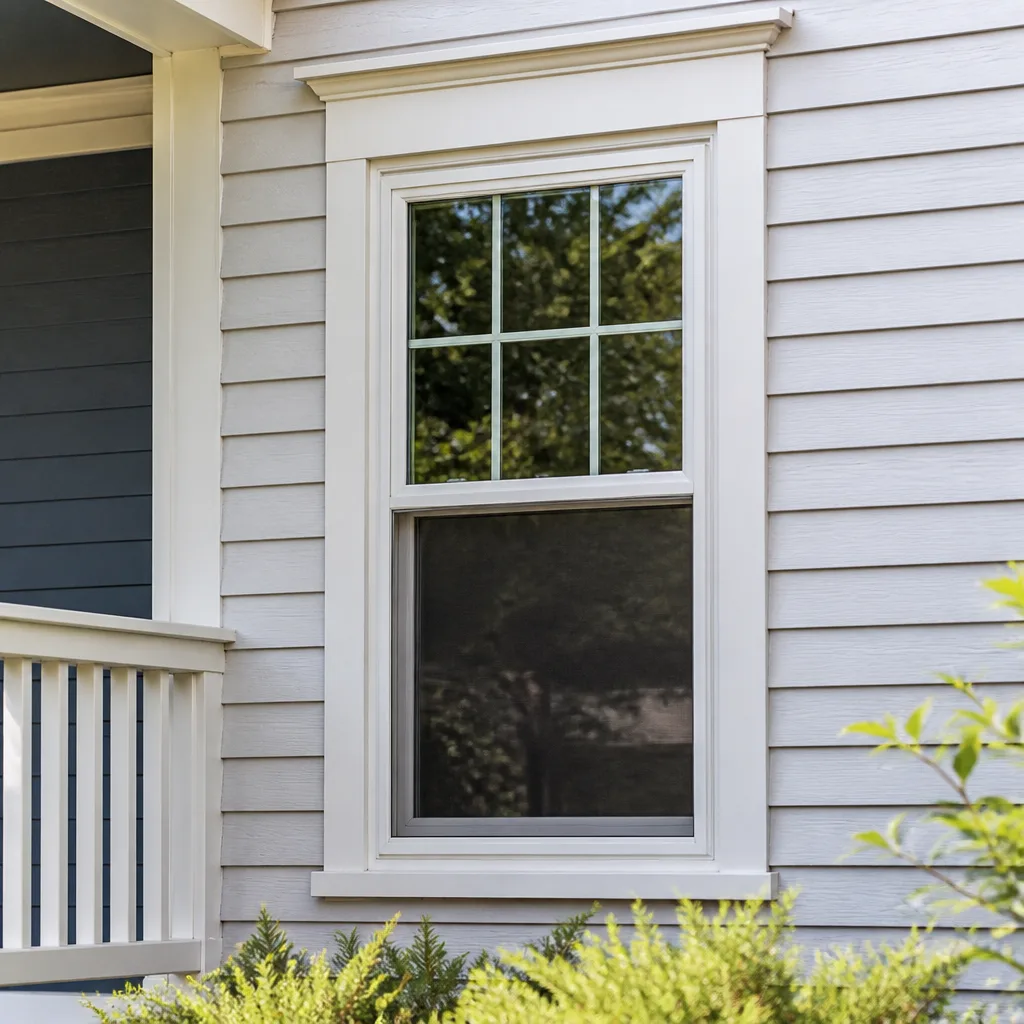
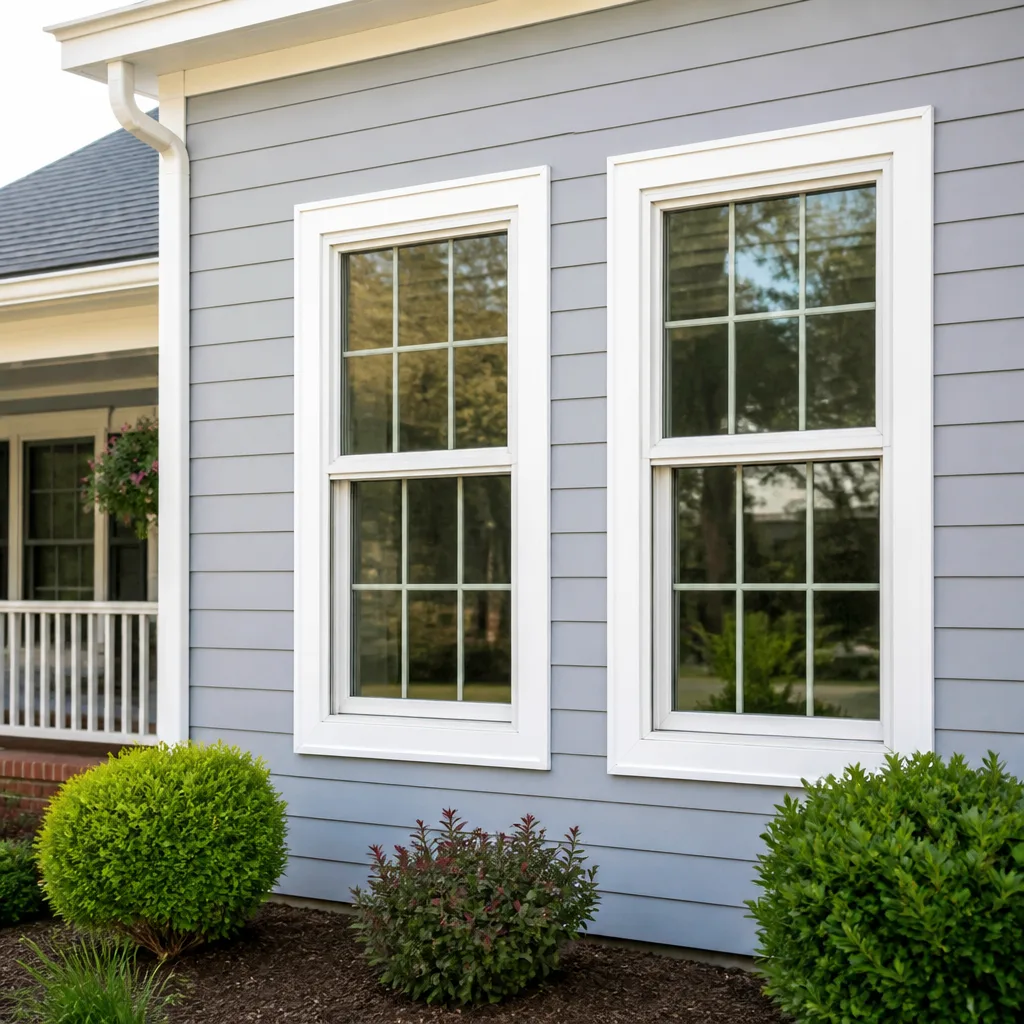
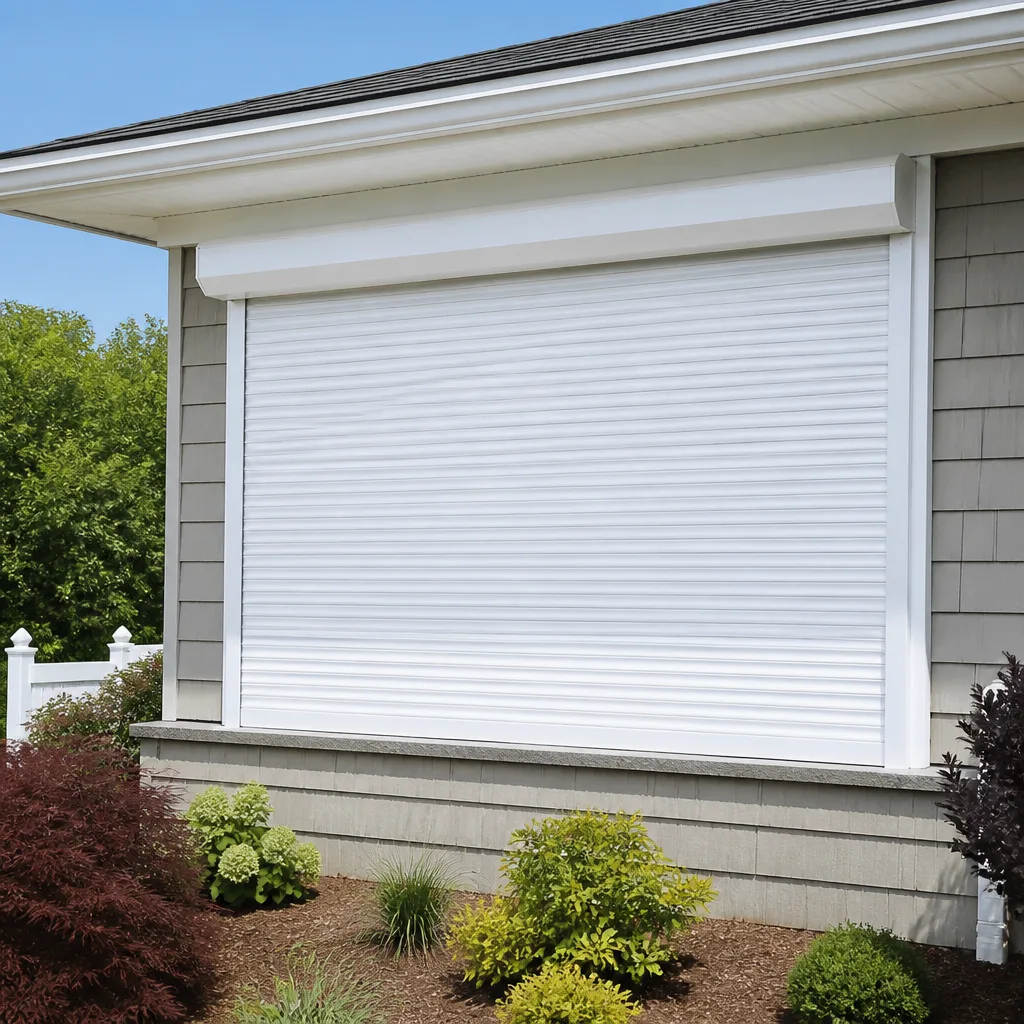
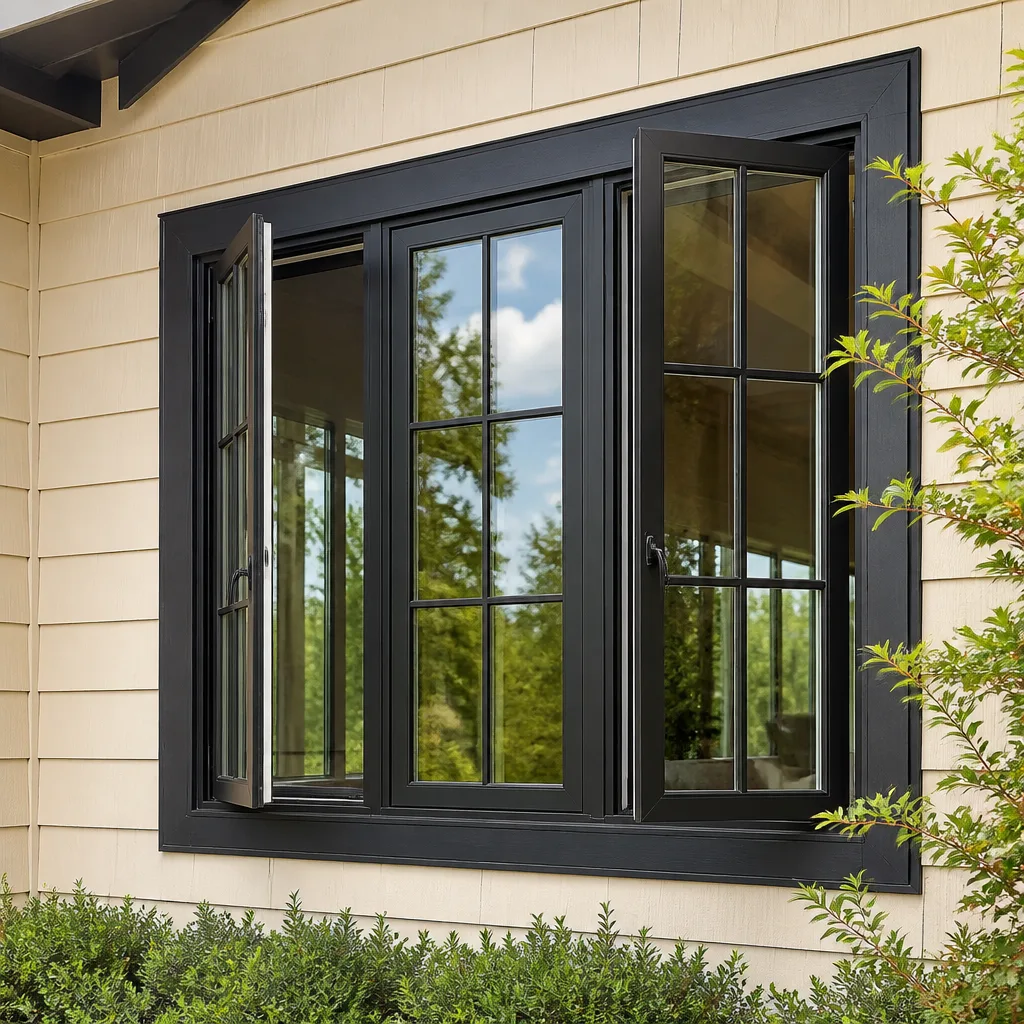
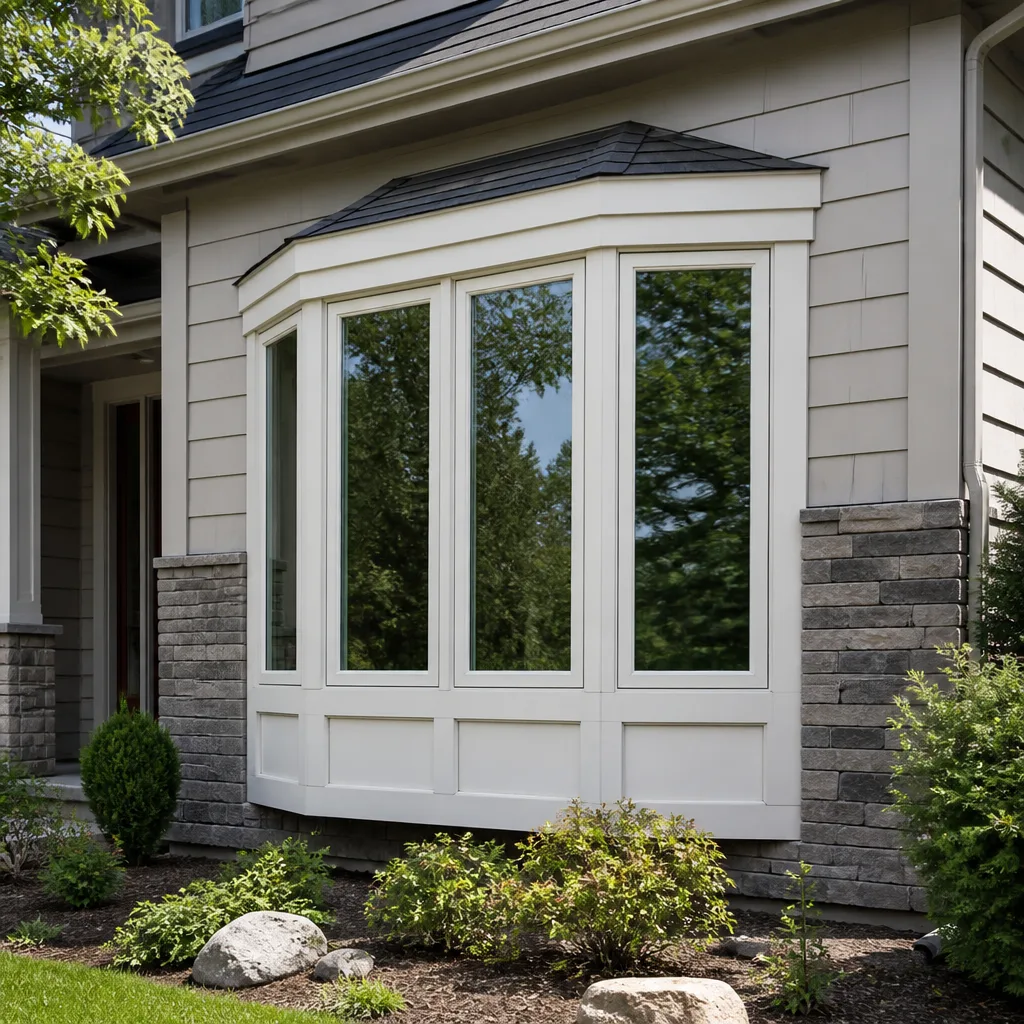
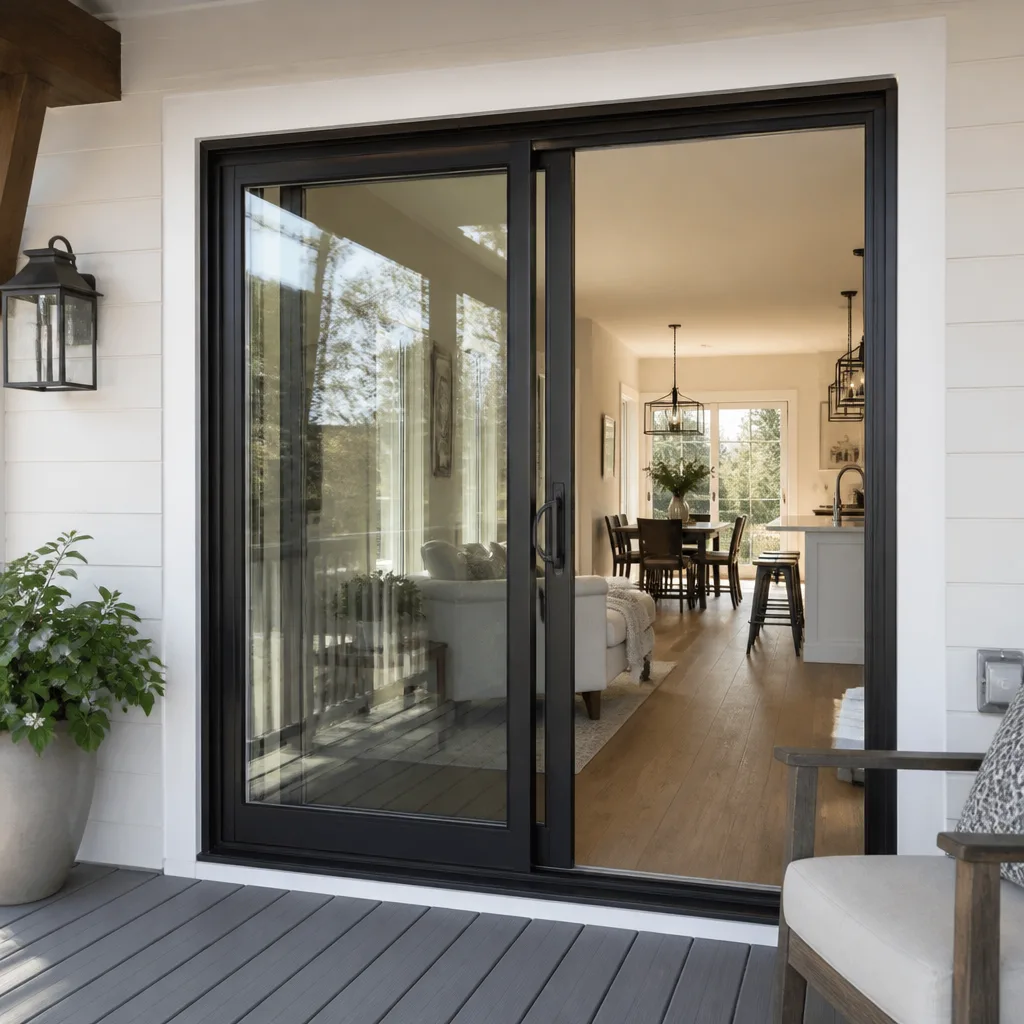
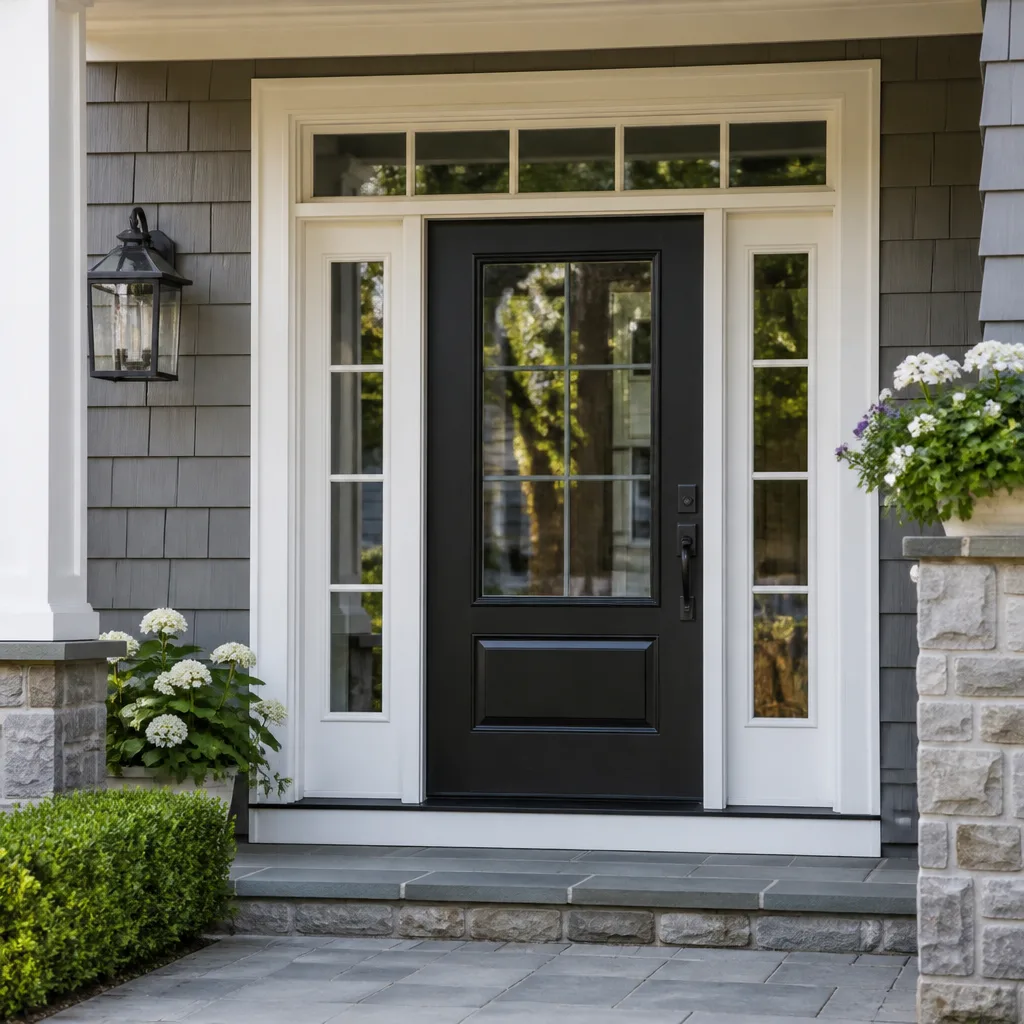
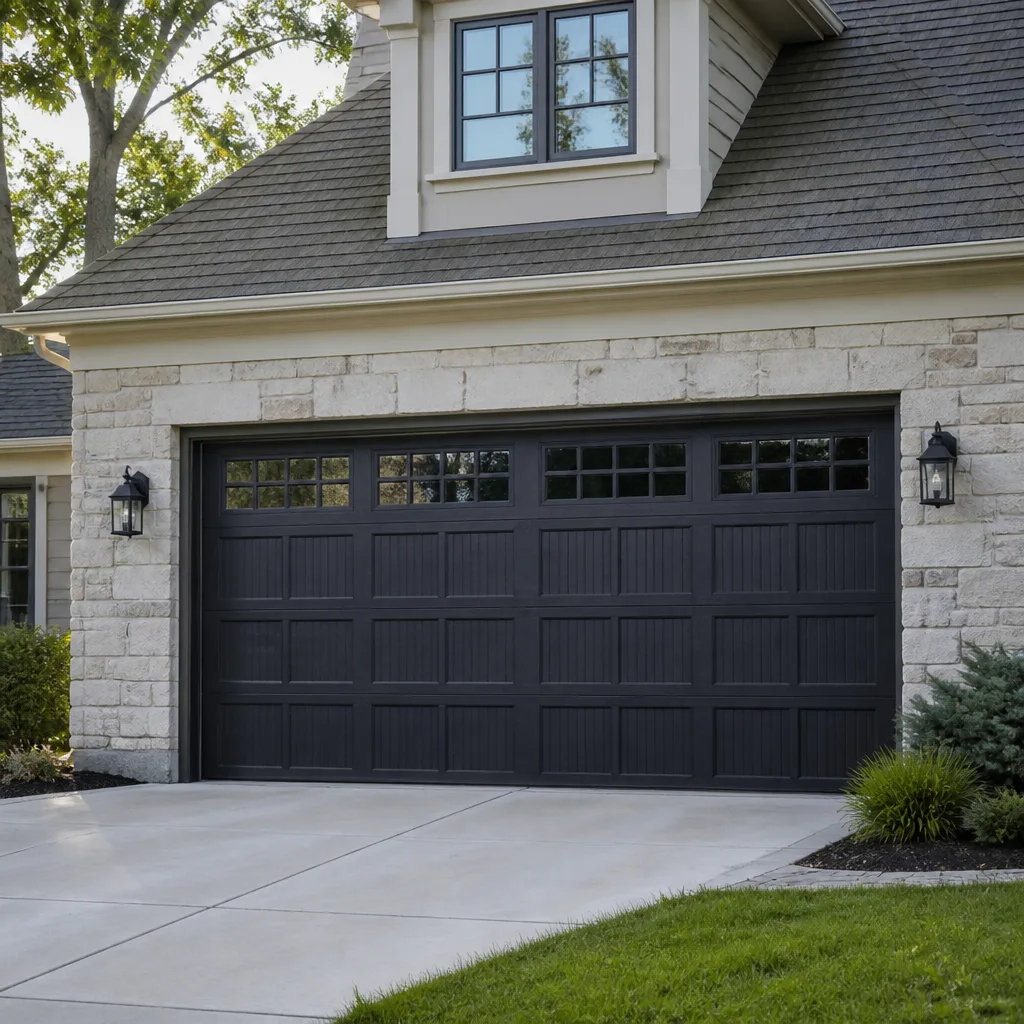
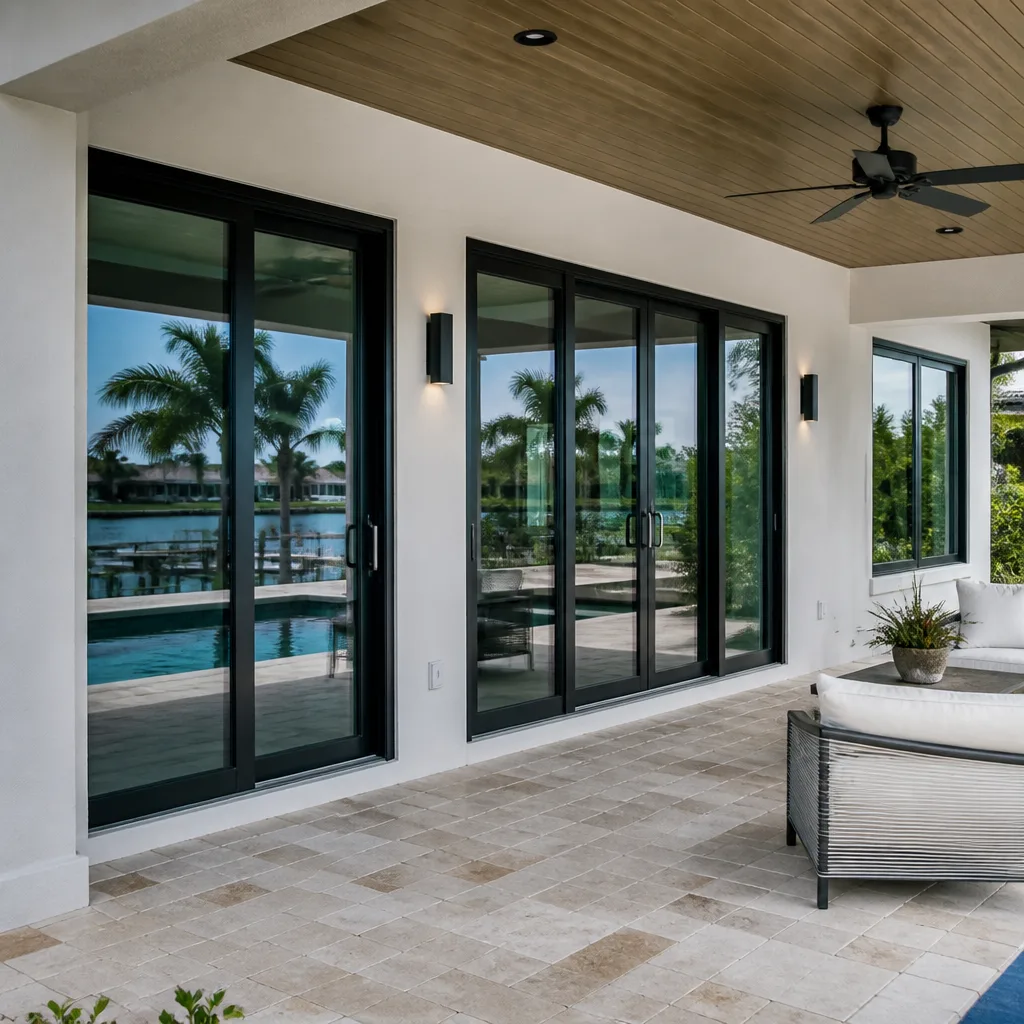
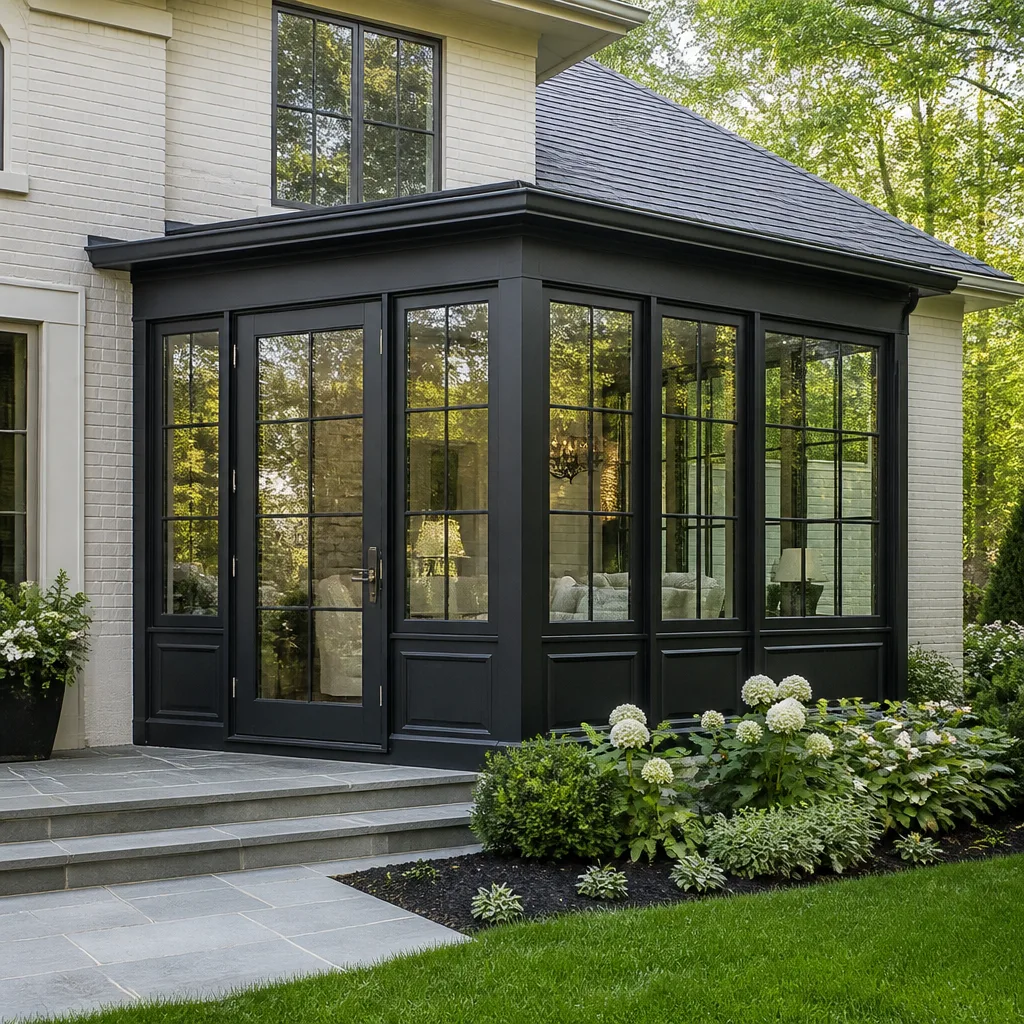
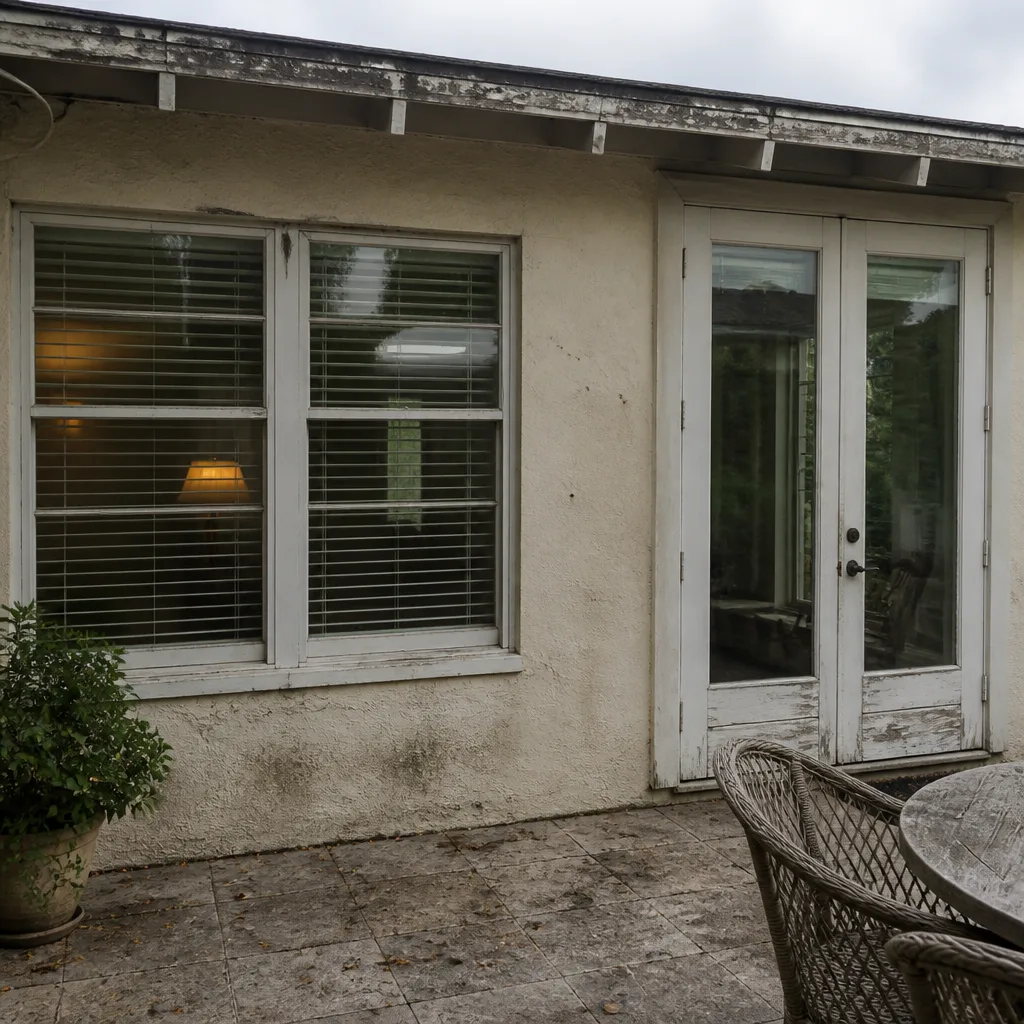 Before
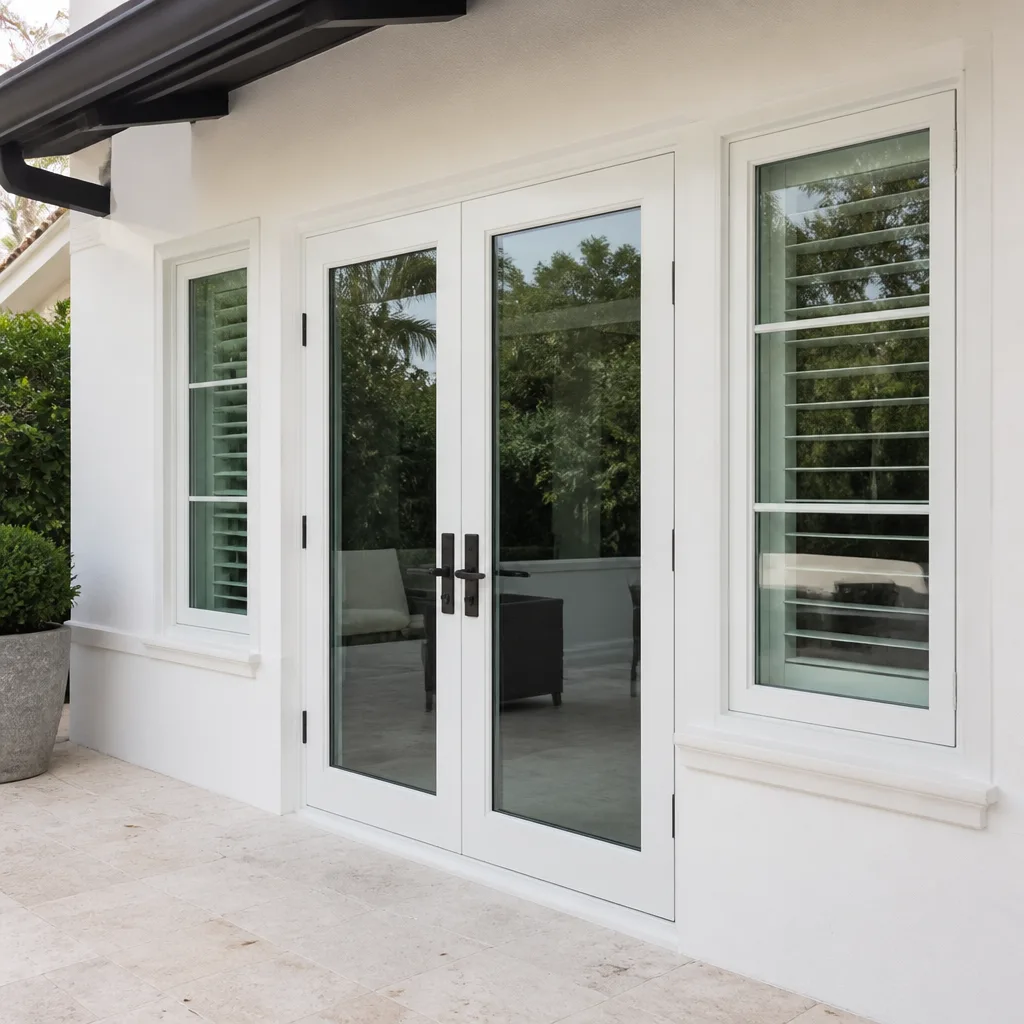 After
After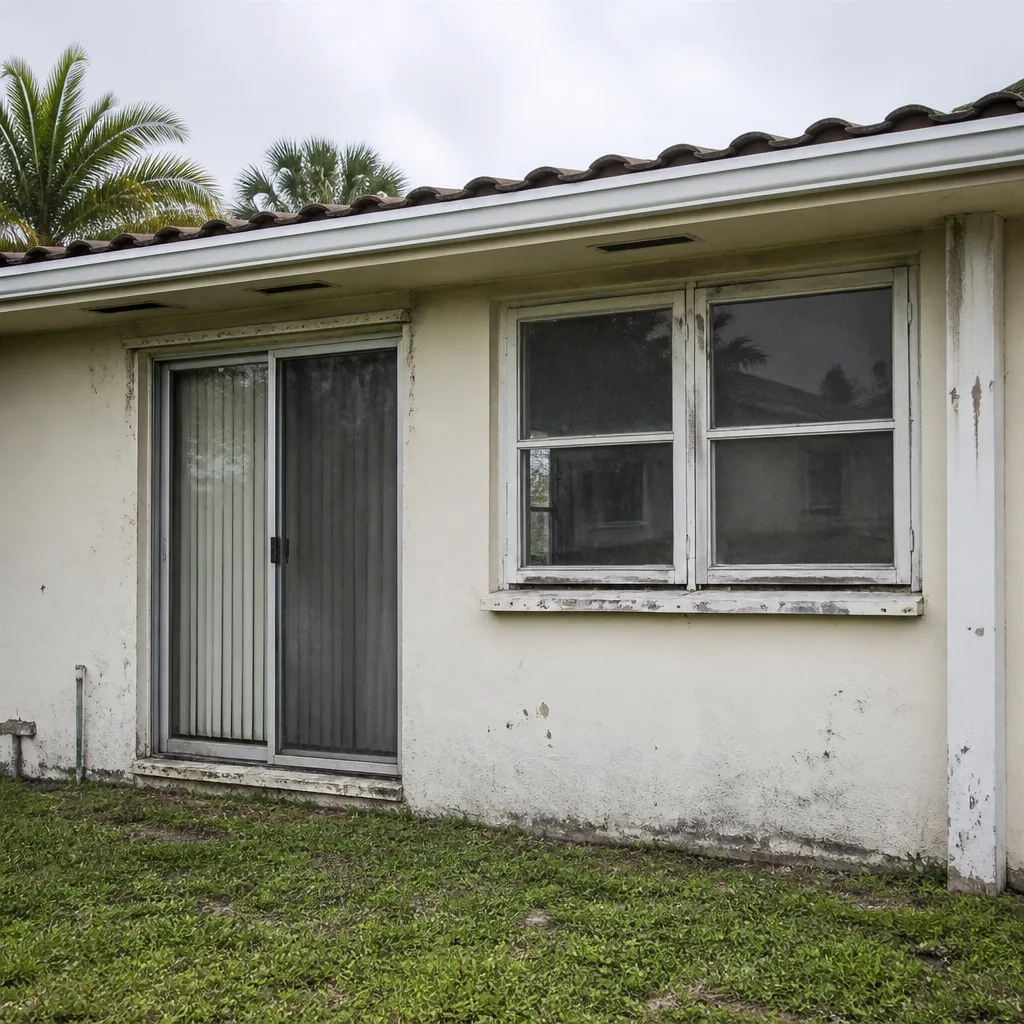 Before
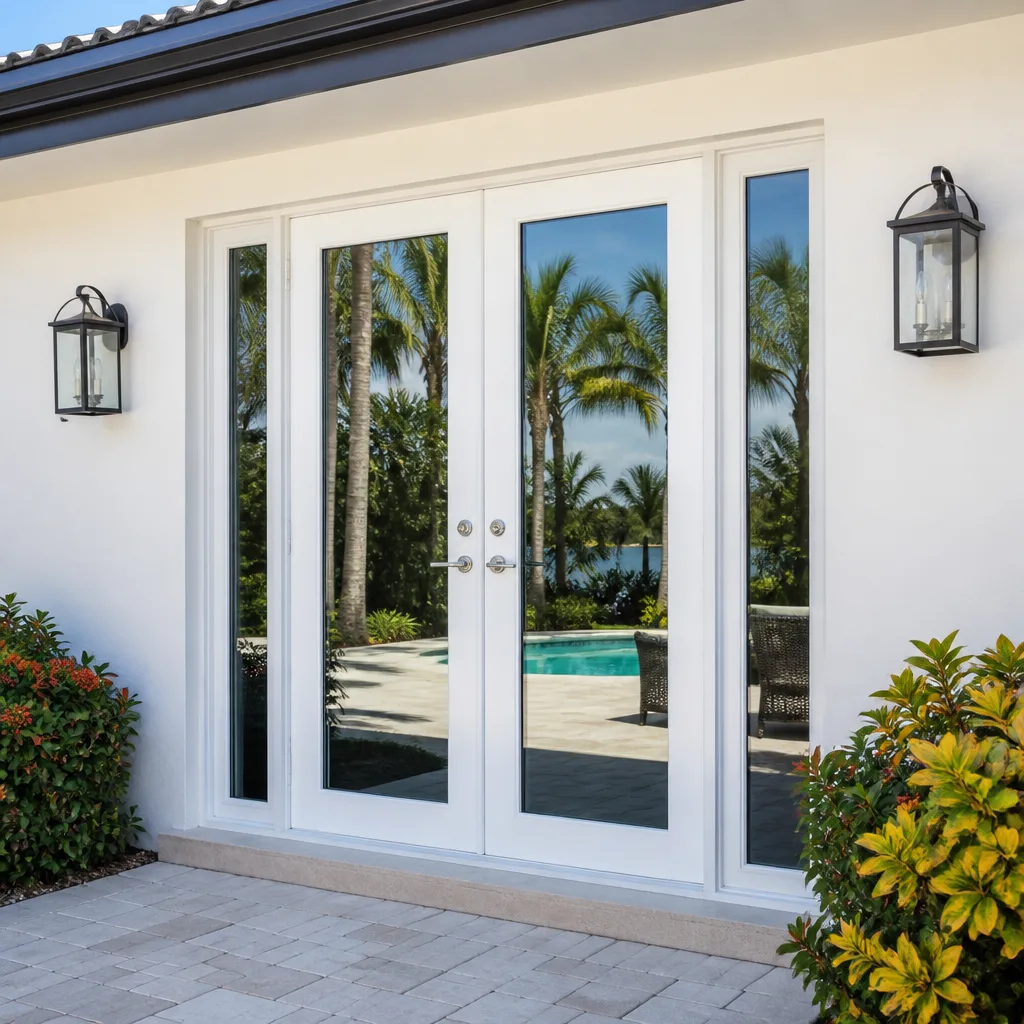 After
After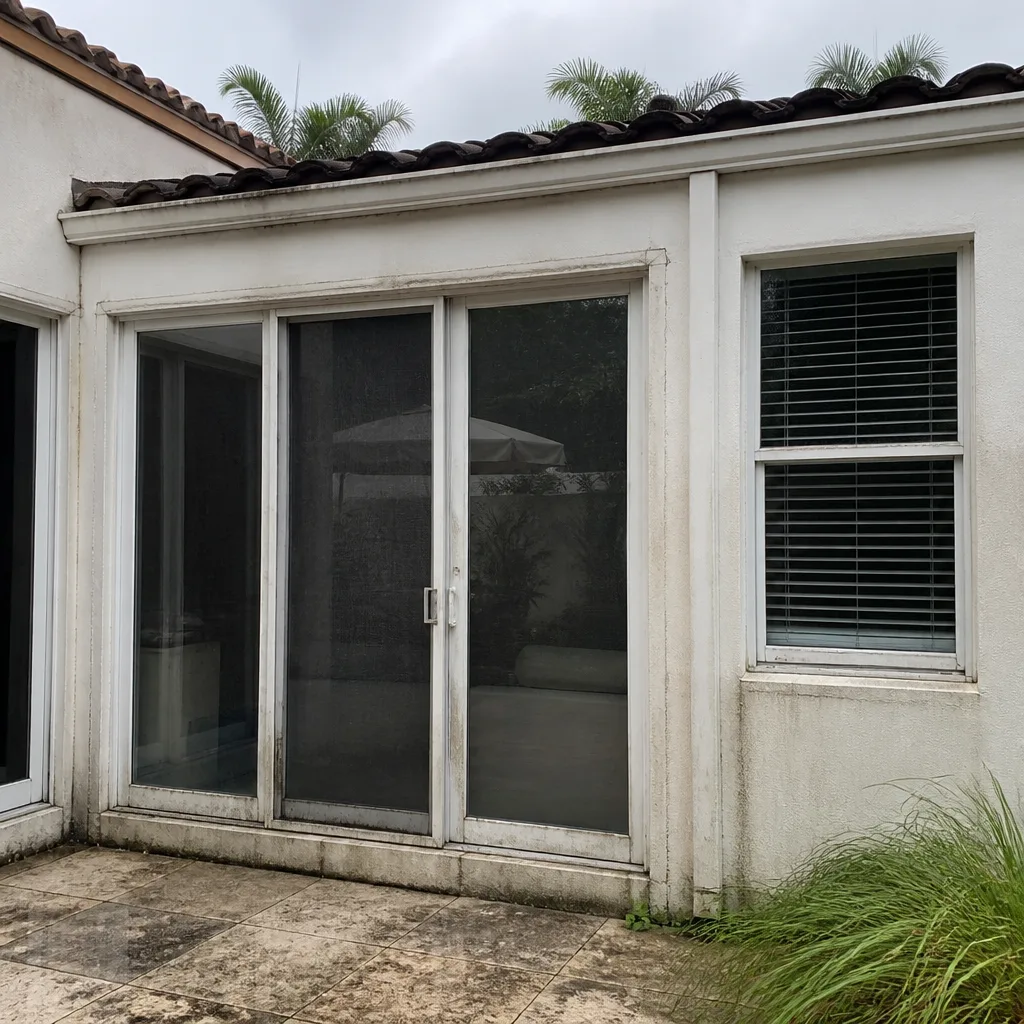 Before
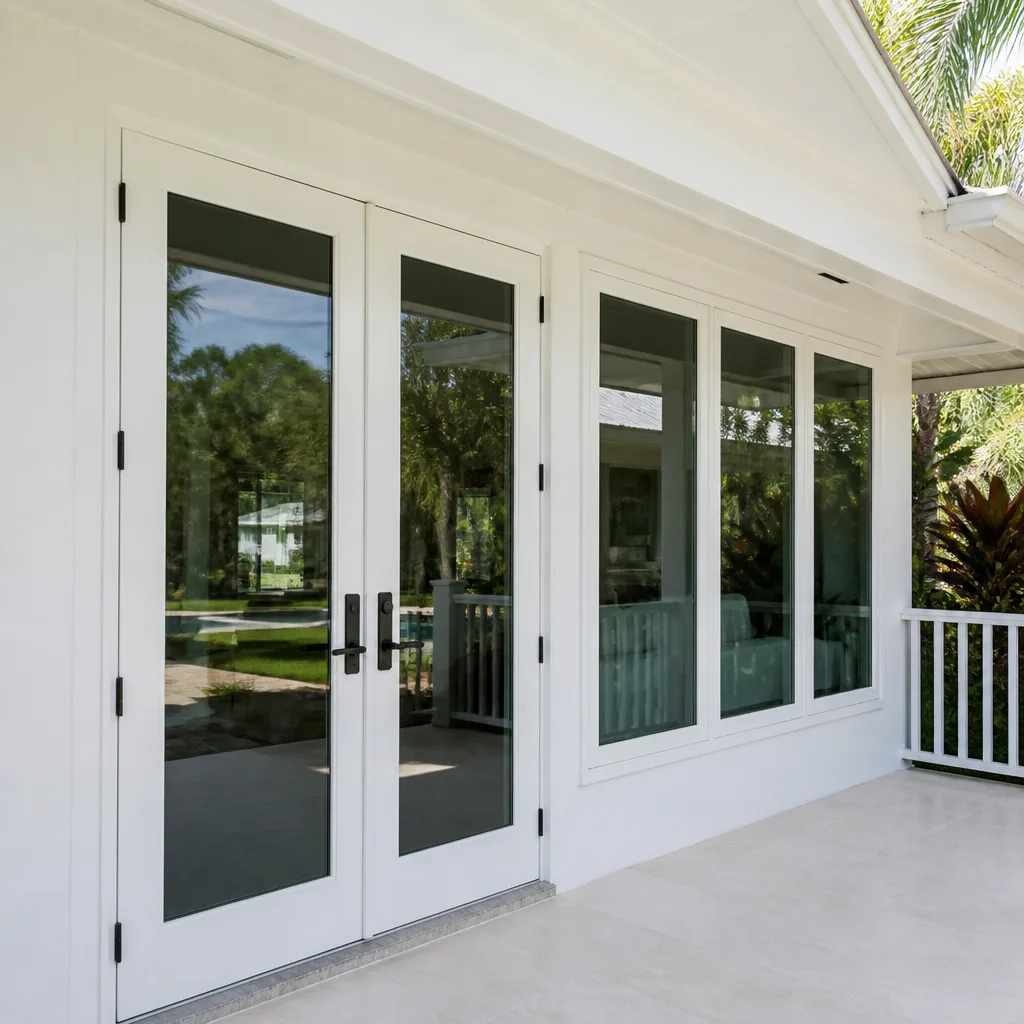 After
AfterThe Complete Guide to Windows & Doors in Palm Beach
Palm Beach County averages more named storms making landfall within 200 miles than any other Florida county, yet most window and door guides are written for Atlanta or Phoenix climates with a “hurricane glass” paragraph bolted on. That’s not just incomplete advice. It’s actively dangerous advice when you’re buying products that have to hold a building envelope together in 150 mph winds while surviving salt spray that eats untreated aluminum in five years. This guide maps exactly what homeowners in Palm Beach need to know before spending a dollar on windows or doors: the code chapters that govern every installation, the corrosion problem nobody mentions on product brochures, the historic-district layer that can void a standard permit, and how to read a Design Pressure rating like a building inspector.
Quick Answer
Windows and doors in Palm Beach must meet Florida Building Code Chapter 1609 wind-load requirements and, in most of the county, carry Miami-Dade County NOA approval, with impact-rated glass or shutters required east of the Intracoastal and in the High Velocity Hurricane Zone. Expect to pay $900-$2,800 per opening for impact windows and $1,800-$6,000 for impact-rated entry doors, installed by a licensed contractor who pulls permits and passes inspections. The right product for your home depends on your wind zone, your home’s Design Pressure requirements, and whether you’re in a historic district that adds its own approval layer.
Table of Contents
- Why Palm Beach Is Different From Every Other Florida Market
- The Code Requirements That Govern Every Palm Beach Installation
- Impact-Rated vs. Non-Impact: What You Actually Need
- The Salt-Air Corrosion Problem Nobody Puts on a Brochure
- How to Read a Design Pressure (DP) Rating
- Historic-District Homes: The Approval Layer That Can Void a Permit
- What Windows and Doors Cost in Palm Beach in 2026
- Brand-by-Brand: How Coastal-Rated Products Hold Up in Palm Beach
- Common Mistakes to Avoid
- When to Call a Professional
- Frequently Asked Questions
- The Bottom Line
Why Palm Beach Is Different From Every Other Florida Market
Palm Beach sits on a barrier island with the Atlantic Ocean on one side and the Lake Worth Lagoon on the other. That geography creates a salt-aerosol environment that is measurably more corrosive than what you’d find 20 miles inland in Wellington or Royal Palm Beach. The air itself carries chloride particles that settle on window frames, door hardware, tracks, and fasteners every single day of the year, not just during storms.
Then there’s the wind. The High Velocity Hurricane Zone (HVHZ), established after Hurricane Andrew in 1992, covers all of Palm Beach County. That means every window and door product installed here must meet strict missile-impact and cyclic wind-pressure testing standards. A window that performs beautifully in Orlando may not be legal to install in Palm Beach, and a door that handles fine in Tampa’s wind zone may fail the HVHZ requirements entirely.
Palm Beach also has one of the highest concentrations of pre-1970 construction in Palm Beach County, particularly on the island itself. Homes in the Estate Section, Phipps Plaza, and along South Ocean Boulevard run on older framing systems with openings that don’t match modern product dimensions. That means installation is rarely a straightforward swap. It’s a custom retrofit, and it requires a contractor who understands how 1940s concrete block and wood-framed walls behave differently than 2010s CBS construction.
The Code Requirements That Govern Every Palm Beach Installation
Every window and door installed in Palm Beach must satisfy two layers of code: the Florida Building Code (FBC) and, because Palm Beach County sits within the HVHZ, the stricter Miami-Dade County testing protocols. Here’s what those actually mean for your project.
FBC 1609: Wind Loads
Florida Building Code Chapter 1609 governs wind-load requirements for all exterior openings. It establishes that windows and doors must resist design wind pressures specific to your home’s location, exposure category, and roof height. A one-story home in a sheltered inland neighborhood may require a DP 40 rating. A two-story home within 500 feet of the ocean may require DP 70 or higher. The requirement is calculated per opening, not per house, which is why a contractor who gives you a quote without doing the math is guessing.
Miami-Dade NOA: The Product Approval You Must See
The Miami-Dade Notice of Acceptance (NOA) is the product approval document that proves a window or door has passed missile-impact testing, cyclic wind-pressure testing, and air-and-water infiltration testing under HVHZ conditions. If a product doesn’t carry a Miami-Dade NOA, it cannot be legally installed in Palm Beach. Period. We’ve seen homeowners buy windows online from out-of-state suppliers, have them shipped to Palm Beach, and then discover the product has a Florida Product Approval for the non-HVHZ zones only. That’s a full product loss, not a minor inconvenience.
Permits and Inspections
Every window and door replacement in Palm Beach requires a permit. The permit triggers inspections, and the inspections trigger a Certificate of Completion that becomes part of your home’s permanent record. That record matters when you sell, when you insure, and when you file a claim after a storm. We pull permits on every job we do in Palm Beach, and we don’t consider a job finished until the final inspection passes. That’s standard practice for any legitimate contractor, but it’s worth confirming before you sign anything.
Impact-Rated vs. Non-Impact: What You Actually Need
Impact-rated windows and doors are built with laminated glass that holds together when struck by wind-borne debris, plus reinforced frames that stay anchored to the structure under cyclic wind loading. Non-impact windows are standard annealed or tempered glass in standard frames. In Palm Beach, the question isn’t really whether you want impact protection. It’s whether your home’s location and your insurance policy allow you to skip it.
Here’s the practical breakdown:
- East of the Intracoastal (the island): Impact-rated glazing or hurricane shutters are effectively mandatory. Wind exposure is at its highest, and insurance carriers often won’t write a policy on a home without full opening protection.
- West Palm Beach and central county: Impact-rated products are strongly recommended but not universally required. Your wind zone may allow non-impact windows with shutters as an alternative.
- Wellington, Royal Palm Beach, and far western communities: Non-impact windows are more common and code-compliant in many areas, though the added insurance savings from impact products often offset the price difference within three to six years.
One thing we tell every Palm Beach homeowner: your insurance company’s requirements are separate from code requirements. Your home may pass inspection with non-impact windows and a shutter system, but your carrier may still decline to renew your policy, or may apply a wind-mitigation credit only if every opening is impact-rated. Before you buy anything, call your insurance agent. A 30-minute phone call can save you from a $15,000 wrong decision.
If you want to understand the full picture on impact products, our guide to Impact Windows in Palm Beach covers product types, testing standards, and what to expect during installation.
The Salt-Air Corrosion Problem Nobody Puts on a Brochure
Manufacturers test their products in controlled conditions. They don’t always simulate a decade of daily exposure to Palm Beach salt aerosol, and that’s where we see the real-world failures. In our experience installing and replacing coastal products across Palm Beach, we’ve learned which materials actually hold up and which ones quietly corrode under the paint. For a proactive approach, see our Impact Windows Maintenance Checklist for Palm Beach Homeowners.
Here’s what salt air does to common window and door materials:
- Aluminum (non-anodized): Pitting and white oxidation appear within three to five years of coastal exposure. Paint blisters first at the base of the frame and at fasteners. Once corrosion starts, it doesn’t stop.
- Anodized aluminum: The anodized layer resists salt corrosion much better, but scratches that penetrate the finish become corrosion points. On the beach, expect visible degradation in 10-15 years.
- Vinyl: Vinyl doesn’t corrode, but salt residue builds up on tracks and rollers, and harsh UV accelerates frame warping if the product uses low-grade vinyl. We see warped vinyl sashes on oceanfront homes more than anywhere else in the county.
- Stainless steel hardware: 304 stainless is standard. 316 marine-grade stainless is what actually survives direct ocean exposure. Rollers, hinges, and handle hardware on doors facing east toward the water should be 316. Most products don’t include it by default.
- Steel doors: Unprotected steel rusts at the base and corners within a few years in Palm Beach. If you want a steel door on a beachfront home, it must be galvanized and factory-primed with a marine coating, not painted on site.
Products rated “coastal” for the Florida market are not automatically rated for the Palm Beach barrier island environment. A product that holds up fine in Boynton Beach may fail in the Estate Section because the salt concentration and direct ocean exposure are measurably different. That’s why we recommend marine-grade hardware and anodized or premium vinyl frames for any home east of the Intracoastal, and why we stock products specifically for those conditions.
How to Read a Design Pressure (DP) Rating
A Design Pressure rating tells you how much wind force, measured in pounds per square foot, a window or door can withstand before it fails structurally. The higher the number, the stronger the product. But DP ratings are only useful if you match them to your home’s actual wind-zone exposure.
Here’s how to read a DP rating in practice:
- Find your wind zone. Your home’s required DP is determined by its location on the county wind map, its exposure category (B, C, or D), and its roof height. Homes on the barrier island and within a quarter mile of the coast are typically Category D, the most demanding.
- Know the minimum. The Florida Building Code requires a minimum design pressure for every opening in your home. Your contractor should calculate this per opening, not give you a single number for the whole house.
- Match the product to the opening. A window rated DP 50 is approved for installation anywhere the calculated requirement is DP 50 or lower. If the calculation says DP 55, a DP 50 window is not legal for that opening.
- Don’t assume bigger is stronger. Large windows and sliding glass doors have larger surface areas catching wind, which means they often require higher DP ratings than smaller windows in the same house. The DP rating varies by product size, not just product line.
- Check the NOA. The Miami-Dade NOA will list the approved DP ratings for each product size. If the NOA says the product is approved for DP 60 at a specific dimension, that’s the ceiling for that size, no matter what the sales brochure implies.
In Palm Beach, we regularly calculate required DPs of 55 to 70 for oceanfront second-story openings and 40 to 50 for inland single-story homes. A contractor who quotes you a product without doing these calculations is not doing the job the law requires. For a deeper look at how installation quality affects performance, see our guide to Window Installation in Palm Beach.
Historic-District Homes: The Approval Layer That Can Void a Permit
If your home sits in one of Palm Beach’s designated historic districts, or is individually listed on the local register, you have a separate approval layer between you and your new windows. The Town of Palm Beach Landmarks Preservation Commission (LPC) reviews exterior modifications on contributing structures, and that review happens after your building permit application but before installation can begin.
Here’s how the process works:
- Determine your property status. Check with the Town of Palm Beach planning department whether your home is a contributing structure in a historic district or individually landmarked. If it is, LPC review applies.
- Prepare your submittal. You’ll need product specifications, finish colors, and elevations showing the new windows or doors in context. The LPC cares about sightlines, muntin profiles, glass reflectivity, and frame depth, not just performance ratings.
- Attend the hearing. Most window and door replacement projects in Palm Beach historic districts go before the LPC at a public meeting. The review can add six to twelve weeks to your timeline.
- Secure both approvals. You need the LPC Certificate of Appropriateness and the building permit. One without the other means work stops and fines can follow.
The good news: impact-rated windows are routinely approved in Palm Beach’s historic districts. The LPC’s primary concern is visual compatibility, and manufacturers like CGI and PGT make impact products with historic profiles, narrow sightlines, and simulated divided lites that satisfy review standards. The key is submitting the right product the first time. Revisions and resubmissions are what make historic-district projects drag on for months.
This is a process where a local contractor’s experience matters enormously. A national chain installer may never have appeared before the Palm Beach LPC, and that’s a hard way to learn the process on your own home.
What Windows and Doors Cost in Palm Beach in 2026
Palm Beach pricing tracks higher than the Florida average because of HVHZ product requirements, the logistics of working on a barrier island, and the prevalence of custom-sized openings in older homes. Here’s what we’re seeing across the market in 2026.
| Product | Typical Installed Price Range | Notes |
|---|---|---|
| Impact-rated window (standard size) | $900-$1,800 per opening | PGT or CGI aluminum or vinyl, DP 50-60, includes permit and install |
| Impact-rated window (custom/oversized) | $1,800-$2,800 per opening | Geometric shapes, large fixed units, or elevated DP ratings command more |
| Impact-rated sliding glass door | $3,200-$6,000 per opening | Two-panel or three-panel, DP 50+, with laminated glass |
| Impact-rated entry door | $1,800-$4,500 per opening | Fiberglass or steel with impact glazing, Therma-Tru or comparable |
| French door (impact-rated) | $4,000-$6,500 per opening | Double-door configuration, custom sizing common in older homes |
| Non-impact window (inland Palm Beach) | $500-$1,000 per opening | Code-compliant only in lower wind zones, still requires permit |
These are installed prices including permit fees, which in Palm Beach typically run $150-$400 per opening depending on the scope. Older homes with non-standard opening sizes will trend toward the higher end because every unit is effectively a custom order.
When you’re comparing quotes, ask whether the price includes permit fees, haul-away, and stucco or drywall repair. Some contractors quote product and install only, then add permit, disposal, and finish work as “extras” after the job starts. A written, line-item quote with no change-order surprises should be standard. If you’re replacing existing units, our guide to Window Replacement in Palm Beach walks through the swap-out process in detail.
Brand-by-Brand: How Coastal-Rated Products Hold Up in Palm Beach
Winslow Windows & Doors is an authorized installer for eight brands: PGT, CGI, CWS, ES Windows, ECO Window Systems, Mr-Glass, Therma-Tru. We install all of them, and we’re direct with homeowners about which products we’d put on our own houses in Palm Beach conditions. Here’s what we’ve observed over 15 years of coastal installs.
PGT
PGT is the workhorse of the Florida impact market, and their WinGuard and PremierVue lines perform well in Palm Beach wind zones. Their aluminum frames with reinforced corners handle cyclic loading as well as anything on the market. On direct oceanfront properties, we recommend their anodized finishes over painted aluminum because salt exposure will find any scratch in painted surfaces. PGT’s product approvals are among the most comprehensive in the industry, which means fewer permitting delays.
CGI
CGI builds heavy-gauge aluminum products that are over-engineered for most residential applications, which is exactly what you want on a barrier island. Their frames tend to be bulkier than PGT’s, which matters in historic districts where sightlines are reviewed. But if your home is a modern CBS build facing the Atlantic with zero historic constraints, CGI’s strength-to-cost ratio is hard to beat. We’ve installed CGI windows on oceanfront homes that have gone through multiple direct hits without a single frame failure.
Therma-Tru
Therma-Tru is our go-to for entry doors across Palm Beach. Their fiberglass doors hold up far better than steel in the corrosive coastal environment while still meeting HVHZ impact requirements when specced with impact-rated glazing. The real advantage we see is dimensional stability: Therma-Tru doors don’t swell and bind in Palm Beach’s humid summers the way poorly sealed wood doors do. Their Classic-Craft and Pulse lines with impact glass give you the wood-grain look without the rot-and-rust issue that plagues coastal homes.
CWS and ES Windows
CWS builds high-end impact products with narrower frames and cleaner sightlines than the mass-market brands, which makes them a smart choice for Palm Beach historic-district applications where the LPC is scrutinizing muntin profiles and frame depth. ES Windows builds architecturally focused products that perform well in modern designs with large expanses of glass. Both carry Miami-Dade NOAs and both command a premium over PGT and CGI. In our experience, the premium is justified when the project demands tighter sightlines or when the architectural style doesn’t tolerate bulky frames.
The honest truth: no single brand is the right answer for every home. It depends on wind zone, exposure, frame-material preference, design constraints, and budget. A contractor who tells you one brand is always the best is selling you something.
Common Mistakes to Avoid
- Buying products online without checking the NOA. A Texas or Georgia supplier has no obligation to inform you that the window you just bought isn’t approved for installation in Palm Beach. Verify the Miami-Dade NOA before you spend a dollar.
- Skipping the insurance conversation. Code compliance and insurance eligibility are different standards. Call your carrier before you choose products, or you may discover after installation that you’ve lost a wind-mitigation credit you could have earned.
- Choosing price over installation quality. A premium window installed with substandard anchoring will fail under cyclic loading even if the product itself passed every test. The installation is as important as the glass.
- Ignoring corrosion ratings on hardware. Most product lines ship with 304 stainless hardware by default. Ask about 316 marine-grade upgrades for rollers, hinges, and handles if you’re within a half mile of the ocean.
- Assuming historic homes can’t have impact glass. They can, and they do, regularly. But you need to submit the right product to the LPC the first time, or the process turns into a multi-month revision loop.
- Not confirming whether the quote includes permit and inspection. Some contractors quote low product prices and add permit, disposal, and finish work separately. Get a written, line-item quote before you commit.
- Working with a contractor who won’t provide proof of license and insurance. In Palm Beach County, window and door installation requires a licensed contractor. Ask to see the license number and verify it with the county.
When to Call a Professional
Some window and door decisions can be researched online. Others need a trained eye on your actual house. Call a professional if any of these apply: you’re within a quarter mile of the coast and don’t know your required DP rating, your home is in a Palm Beach historic district and you’ve received LPC correspondence, you have visible corrosion or water staining around existing openings, your windows are original to a pre-1970 home and the rough openings are non-standard, or you need impact products installed to satisfy an insurance deadline. These are the jobs where a mistake costs thousands and correcting one costs more. Winslow Windows & Doors offers free estimates in Palm Beach, and we’ll give you a written line-item quote with a clear scope of work. Call (561) 782-7525.
Frequently Asked Questions
In most of Palm Beach County, code allows either impact-rated windows or non-impact windows paired with hurricane shutters, as long as both meet your home’s wind-zone requirements. However, many insurance carriers in Palm Beach now require impact-rated glazing on at least all windward-facing openings to write or renew a policy. Check with your carrier before deciding. If you’d like help confirming what your home actually requires, call (561) 782-7525 and we’ll walk you through it.
Replacing all windows in a typical 2,000-square-foot Palm Beach home with impact-rated units runs $15,000-$30,000 depending on the number of openings, whether doors are included, and whether any openings are custom-sized. Homes in historic districts or with elevated wind-zone requirements trend higher. For an exact quote on your home, call (561) 782-7525 and schedule a free estimate.
A Miami-Dade NOA is a product approval document certifying that a window or door passed missile-impact testing, cyclic wind-pressure testing, and water-infiltration testing under High Velocity Hurricane Zone standards. Palm Beach County is in the HVHZ, so products without a Miami-Dade NOA cannot be legally installed here. Any contractor who says otherwise is setting you up for a failed inspection.
A typical whole-home window replacement in Palm Beach takes two to five working days once permits are approved and products arrive. Historic-district approvals can add six to twelve weeks before work begins. Product lead times in 2026 are running four to eight weeks for standard impact windows and eight to twelve weeks for custom-sized or elevated-DP orders. We’ll give you a realistic timeline before you commit, and we don’t start until we have the permit in hand.
On our jobs, no. We provide a written line-item quote that covers product, permit, installation, haul-away, and finish work, and the price on that quote is the price on the final invoice. If we find hidden issues in the rough opening, we document them, price any needed correction, and get your written approval before doing that work. No change orders, no surprise line items at the end. If another contractor’s quote seems vague about what’s included, ask for the line items before you sign.
Florida law requires a licensed contractor for window and door installations that require a permit, which is every exterior opening replacement in Palm Beach. Beyond the legal issue, there’s a practical one: a DIY installation that doesn’t meet anchoring and flashing requirements will fail inspection, fail under storm loading, and likely void your product warranty. This is not a weekend project, and in a wind zone like Palm Beach it’s not one you want to learn on. For a free estimate from a licensed, background-checked crew, call (561) 782-7525.
The Bottom Line
Windows and doors in Palm Beach are not a commodity purchase. They’re structural components of a home that has to survive conditions most of the country never faces: HVHZ wind loads, daily salt aerosol, and a building code with zero tolerance for guesswork. The right product is the one matched to your home’s specific wind zone, exposure category, and design constraints, installed by a contractor who pulls permits, passes inspections, and stands behind the work for longer than the product’s own warranty. Ed’s name is on the door, and on every job we do. If you’re in Palm Beach and want a straight answer about your windows and doors, call (561) 782-7525. The one down the road.
Written by Ed Winslow, Owner at Winslow Windows & Doors, serving Palm Beach since 2011.
Six Reasons Homeowners Choose Winslow Windows & Doors
Impact systems engineered to design pressures up to +/-100, matched to your wind zone - your openings hold when the storm arrives.
Low-E insulated impact glass from our manufacturer lines commonly cuts monthly cooling bills 20-30%.
Laminated impact glass shuts out up to 40% of outside noise - traffic, neighbors, weather.
Monitoring services run $30-90 a month. Laminated impact glass resists forced entry around the clock, with no subscription.
Florida homeowners average around 25% savings on the windstorm portion of their policy after protecting every opening - some homes qualify for more.
A full impact package upgrades curb appeal, buyer confidence and appraised value in one project.