
Last updated August 27, 2026
Free in-home measure and quote - PGT, CGI and CWS impact lines compared on your actual openings, style by style
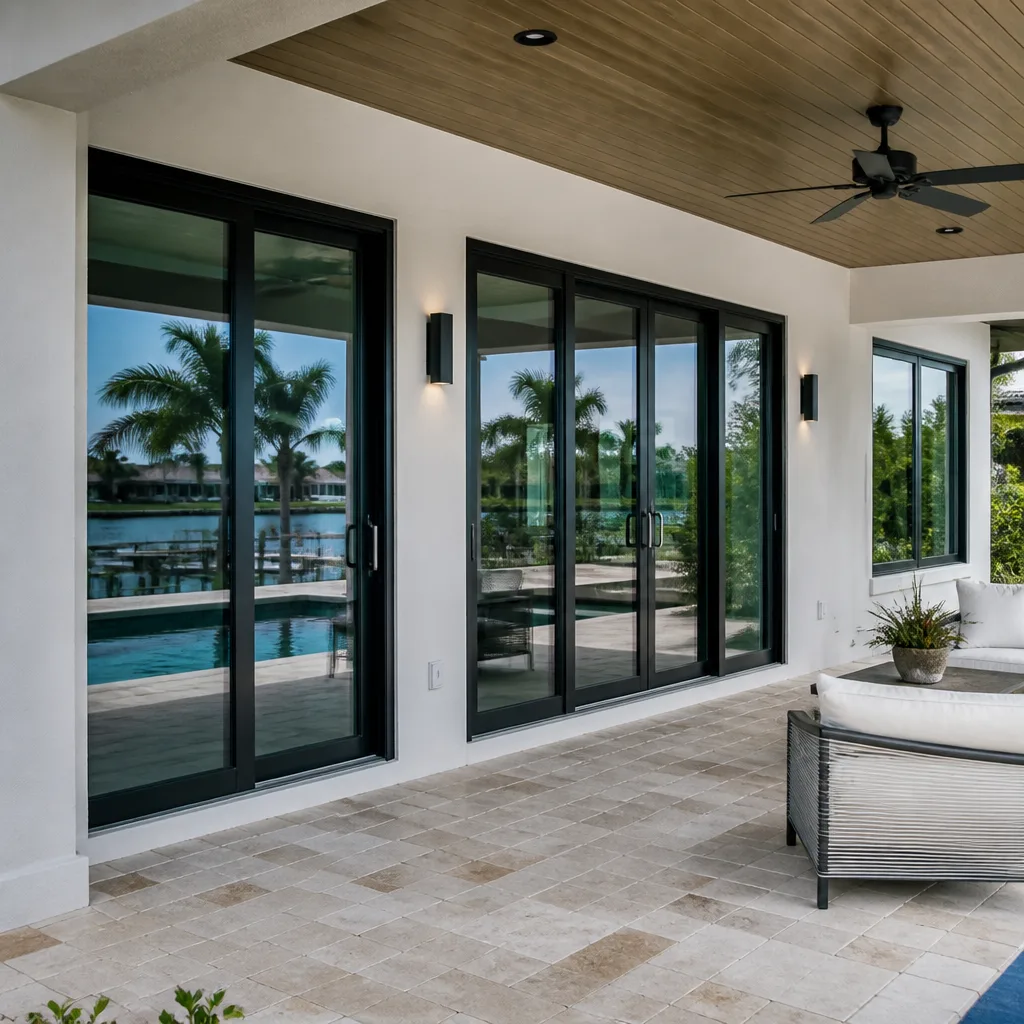
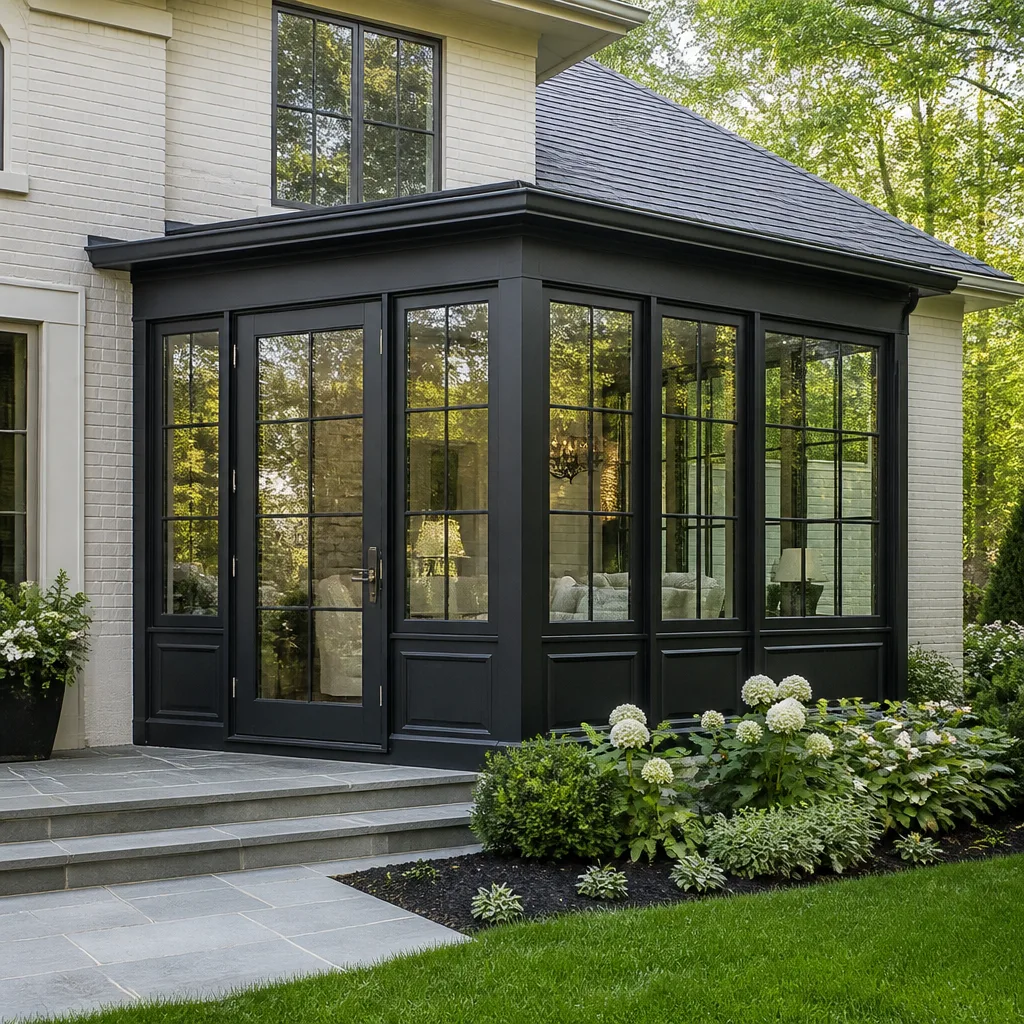
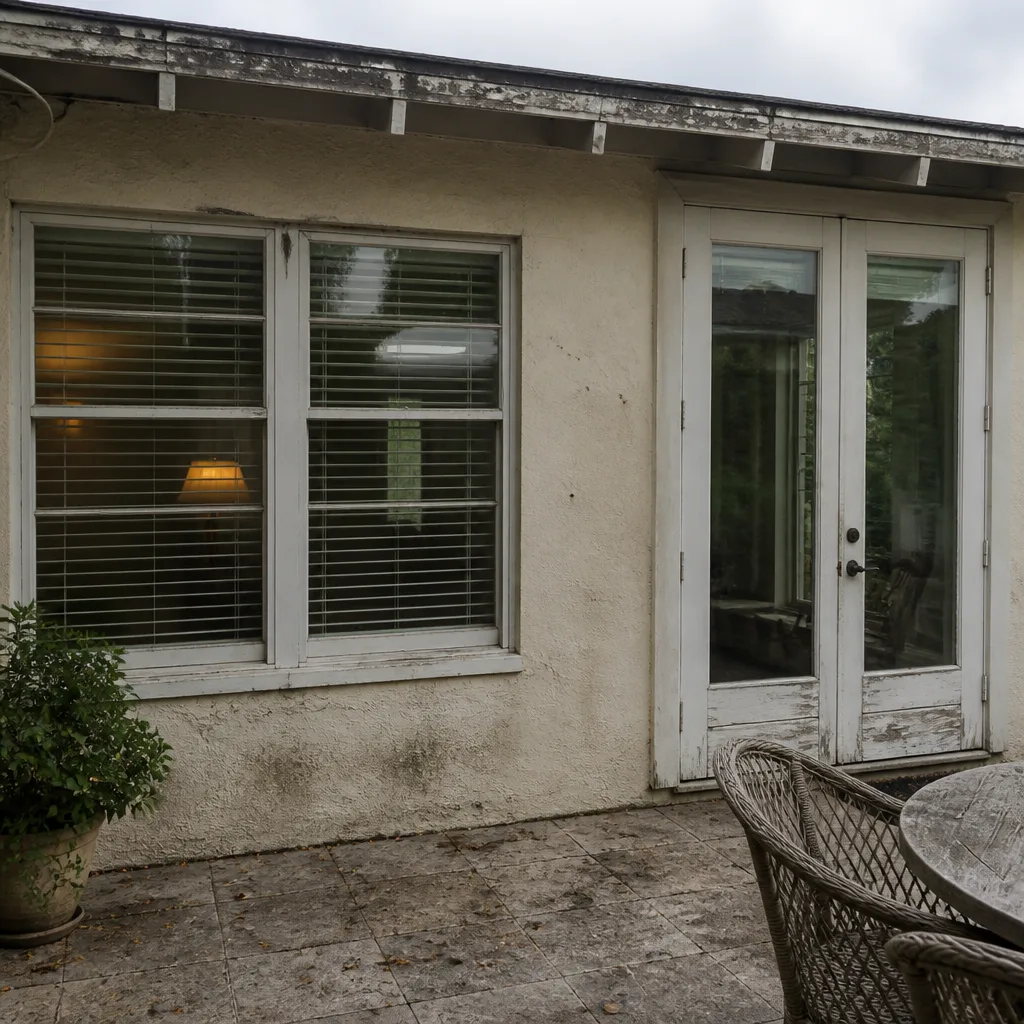 Before
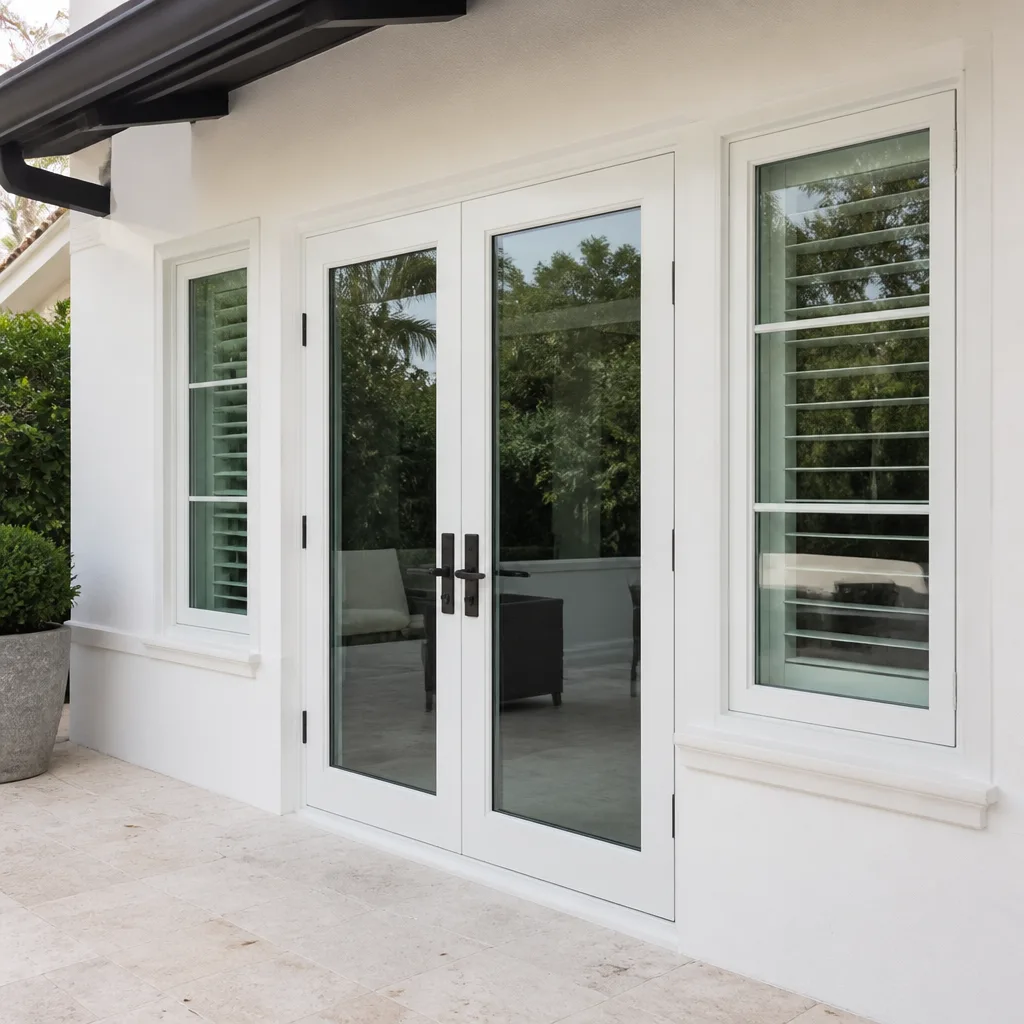 After
After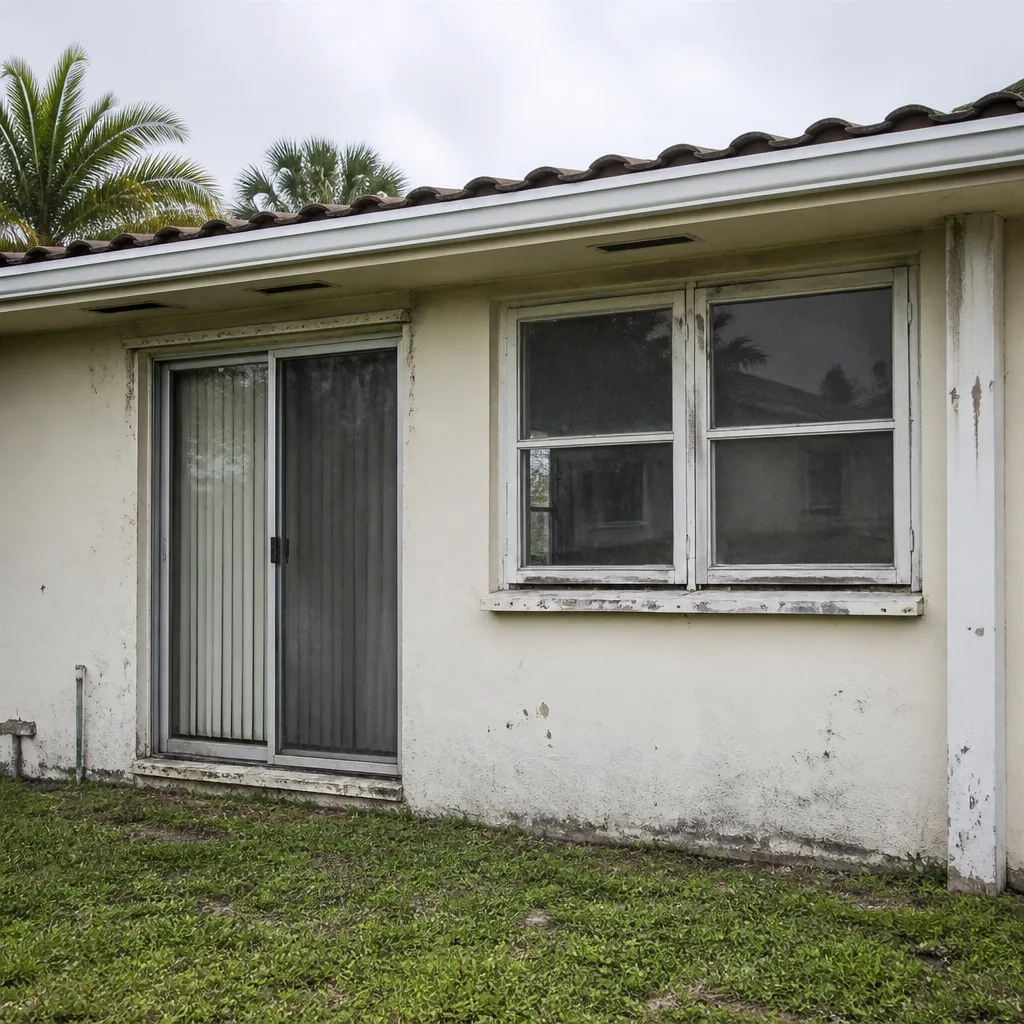 Before
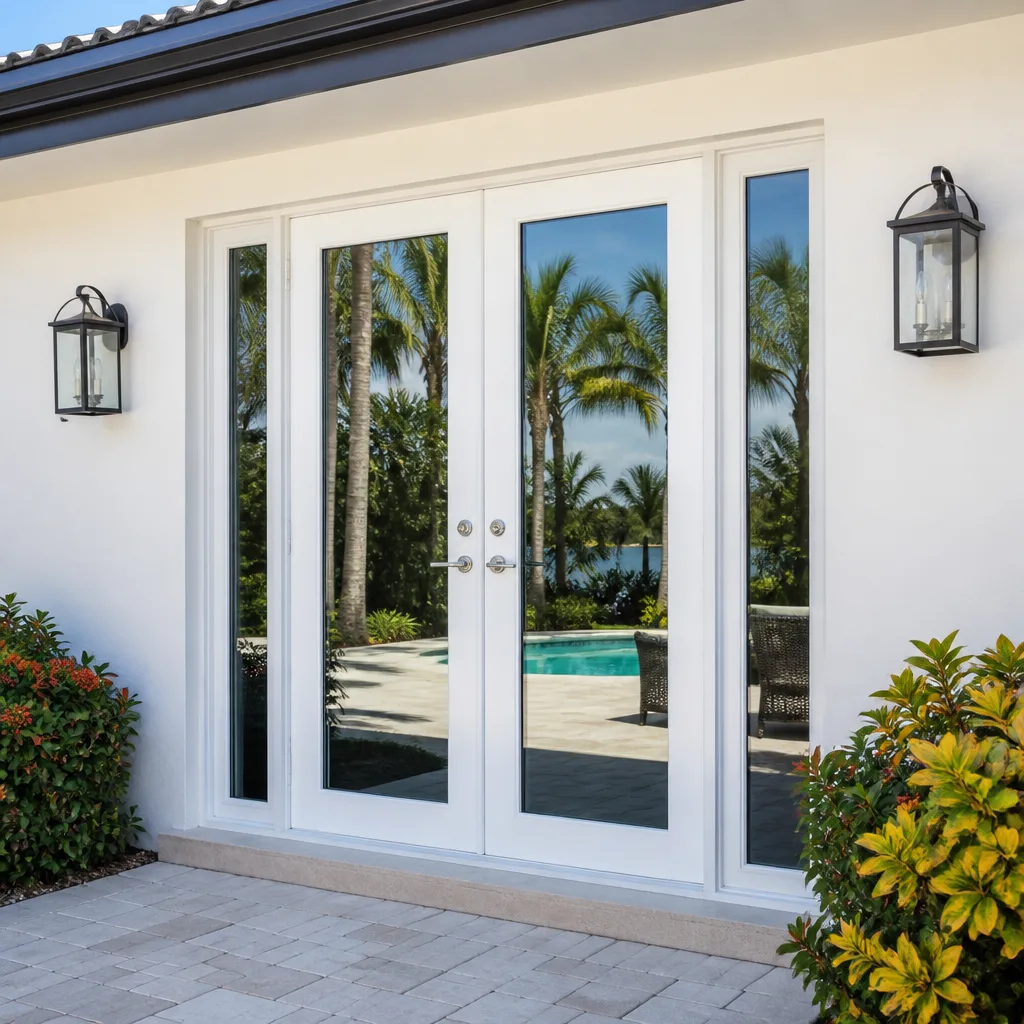 After
After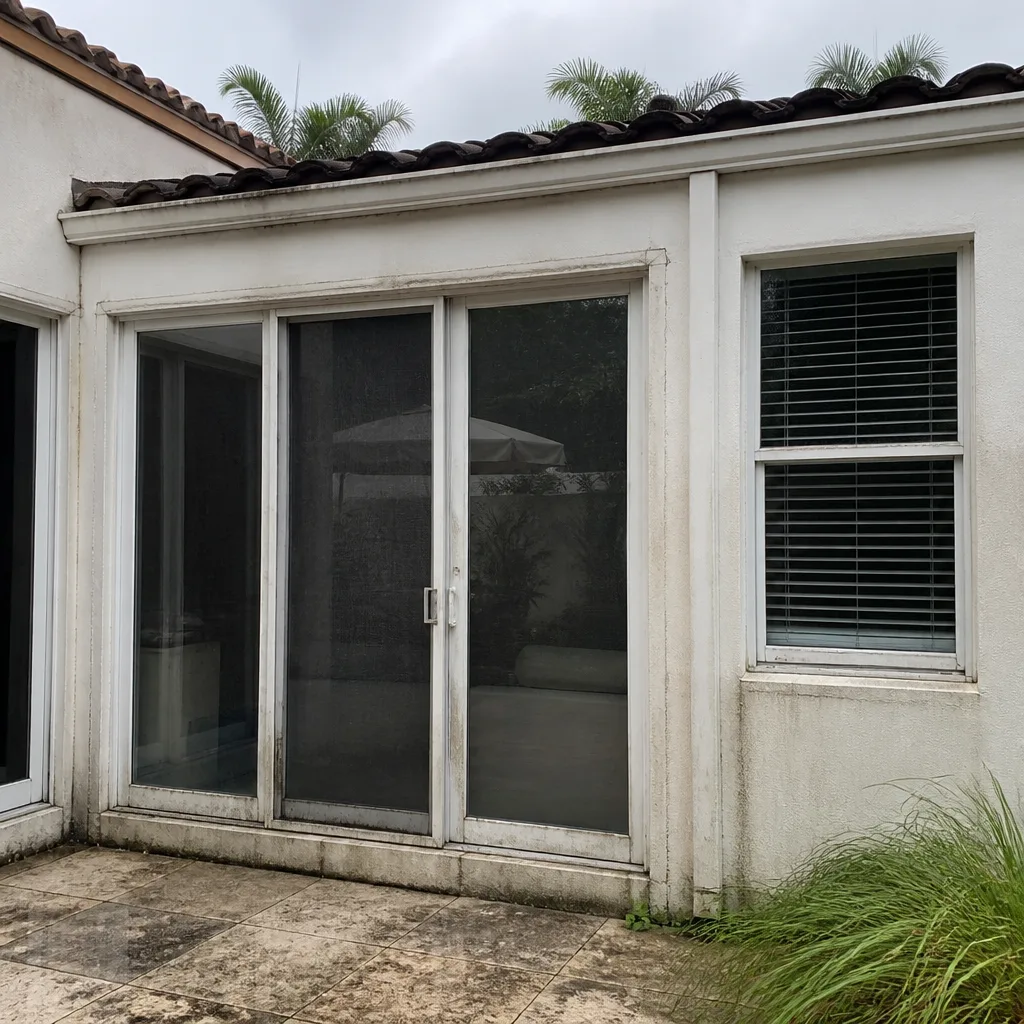 Before
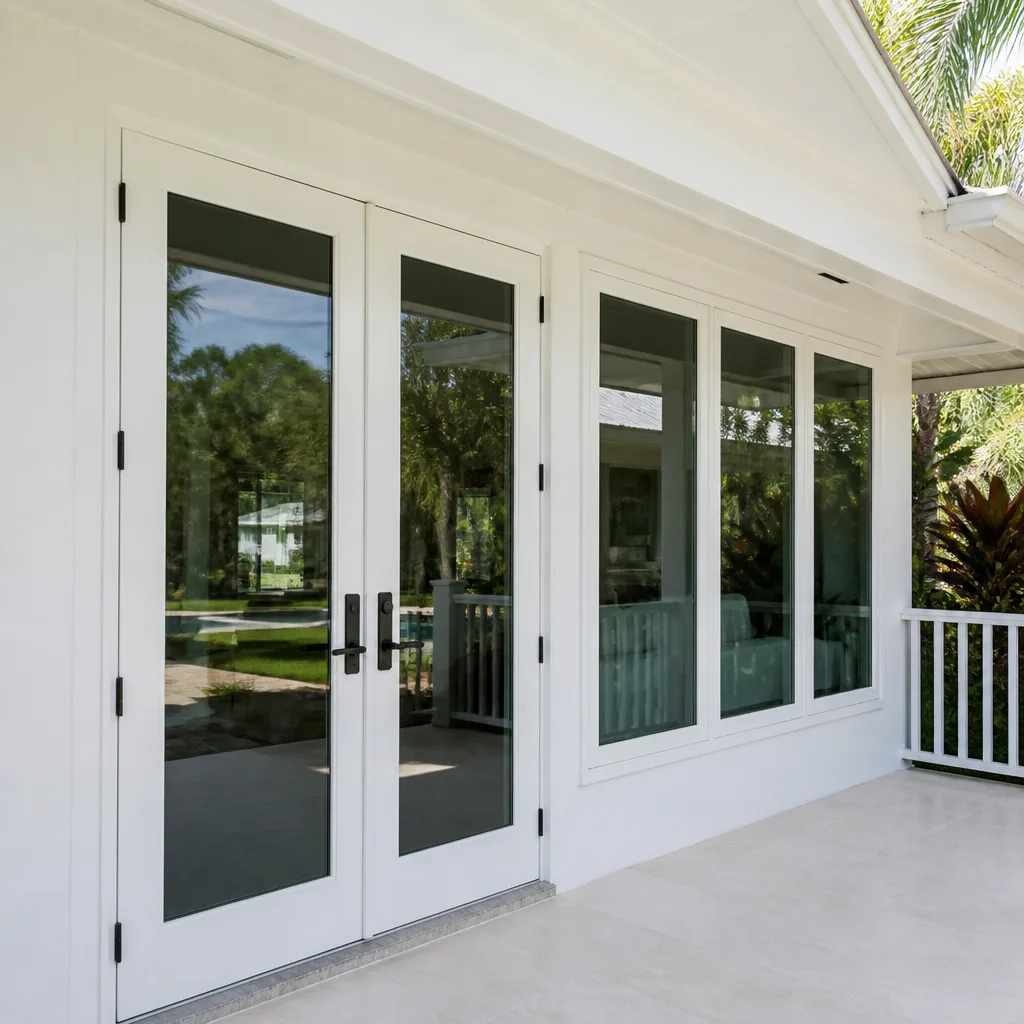 After
AfterHow to Hire a Windows & Doors Contractor in Palm Beach: A Step-by-Step Guide
Florida has more unlicensed contractor complaints per capita than any other state, and impact-window jobs are among the top three categories cited. Why? Because the work looks deceptively simple until the next hurricane proves otherwise. This guide walks through a five-step vetting framework built specifically for Palm Beach homeowners: license verification, insurance scrutiny, factory authorization, contract language, and permit auditing. By the end, you’ll know how to separate a contractor who’ll still answer the phone in five years from one who’ll vanish after the deposit clears.
Quick Answer
To hire a windows and doors contractor in Palm Beach, verify their Florida DBPR license is active with zero unresolved complaints, require certificates for general liability and workers’ compensation insurance, confirm they’re factory-authorized dealers for the brands they install, demand a written contract with permit-pull and lien-waiver language, and check the final inspection record once the job is done. Skip any of these five steps and you’re gambling on the next storm.
Table of Contents
- Verify the License: The 3-Minute DBPR Check
- Request Four Insurance Certificates
- Confirm Factory Authorization
- Read the Contract Like a Lawyer
- Use the Permit Record as a Free Audit
- Six Red Flags That Send Contractors Packing
- What Honest Pricing Looks Like in Palm Beach
- Common Mistakes to Avoid
- When to Call a Professional
- Frequently Asked Questions
- The Bottom Line
Verify the License: The 3-Minute DBPR Check
Every legitimate windows and doors contractor in Palm Beach holds an active license issued by the Florida Department of Business and Professional Regulation, known as the DBPR. Checking it takes less time than reading a neighborhood Facebook thread, and it tells you more.
Here’s the step-by-step:
- Go to myfloridalicense.com, the DBPR’s official verification portal.
- Enter the contractor’s name or license number. If they’re cagey about providing the number before you ask, that’s your first red flag.
- Confirm the license status reads “Active” and not “Delinquent,” “Inactive,” or “Revoked.”
- Click through to the license detail page and check the “Disciplinary Actions” and “Complaints” tabs. Any unresolved complaint tied to workmanship, unpermitted work, or abandoned jobs is a disqualifier.
- Verify the license category matches the work you’re hiring for. A roofing license does not authorize window installation, and vice versa. Palm Beach County enforces this strictly.
In Palm Beach County specifically, contractors must also hold a Certificate of Competency or be state-certified, and many municipalities like West Palm Beach, Lake Worth Beach, and Boynton Beach require local business tax receipts. Ask for the business tax receipt number. It’s one more piece of paper that proves they’re operating openly.
One thing we’ve learned in 15 years of window installation in Palm Beach: the homeowners who check licenses before signing are almost never the ones posting contractor horror stories afterward.
Request Four Insurance Certificates
A license proves someone is allowed to work. Insurance proves they can pay when something goes wrong. In a storm-prone market like Palm Beach, where a single bad flashing job can lead to six figures in water damage, insurance is non-negotiable.
Request certificates of insurance directly from the contractor’s carrier, not just a photocopy. Verified certificates are emailed straight to you by the agent or insurer. Here’s what to ask for:
- General liability: Minimum $1 million per occurrence and $2 million aggregate. This covers property damage and bodily injury caused by the crew, including water intrusion from a botched install.
- Workers’ compensation: Florida law requires it for any contractor with employees, but uninsured subs are rampant in Palm Beach. Ask for a certificate naming the contractor and verify coverage is current. If a worker falls off a ladder on your property and the contractor carries no workers’ comp, your homeowners policy becomes the target.
- Commercial auto: The truck that crushed your driveway or ran over your irrigation line is covered here. Minimum $1 million combined single limit.
- Excess liability or umbrella: For larger whole-home window and door projects, request an umbrella policy of at least $1 million. It’s cheap for contractors to carry and filters out the shoestring operators.
Also confirm that YOU are listed as an additional insured on the general liability certificate for the duration of the job. This simple addition means the contractor’s insurer defends you too, not just the contractor, if a claim lands.
Confirm Factory Authorization
Here’s the part most guides miss: a manufacturer warranty is worthless unless the installer is a factory-authorized dealer. PGT, CGI, and Therma-Tru do not honor product warranties on units installed by untrained or unauthorized contractors. The result? A homeowner with a failed impact window three years in, holding a warranty that the manufacturer politely declines to honor because the installer wasn’t certified.
Checking dealer status is straightforward:
- Visit the manufacturer’s website. PGT Innovations posts a dealer locator for certified installers by ZIP code.
- Enter your Palm Beach ZIP code and look for the contractor’s name. If they don’t appear, they’re likely buying product through a gray-market distributor and installing without factory training.
- Ask the contractor to show their current dealer authorization letter. These are typically renewed annually, so check the date.
- For Therma-Tru doors, confirm they’re a Therma-Tru Authorized Dealer, not just someone who ordered a door from a wholesaler.
- A permit-pull guarantee: Exact language like “Contractor is responsible for obtaining all required permits from Palm Beach County or the applicable municipality” with the permit fee itemized. If the contractor asks you to pull the permit as the homeowner, walk away. On a permitted job, the contractor takes liability for code compliance.
- A lien waiver schedule: Partial lien waivers from every subcontractor and material supplier with each progress payment, and a final unconditional lien waiver at the close. Without this, a supplier who never got paid by your contractor can file a lien on your house. It happens in Palm Beach County more often than you’d think.
- A disposal and site-protection plan in writing: Where the old windows and doors go, who hauls them, how the interior is protected from dust and debris during a tear-out, and who restores the landscaping the truck flattened. Every one of these is a line item.
- A defined scope with product specifics: Exact model numbers, sizes, impact ratings, glass packages, and hardware finishes, not “impact windows, various sizes.” A change order should be required for any substitution.
- A payment schedule tied to milestones, not calendar dates: Standard is 30 to 40 percent deposit, progress draws tied to delivered materials and completed installation, and a final 10 percent held until the permit is finaled and you’ve walked the job.
- A workmanship warranty clause: Minimum five years on installation labor. If a contractor won’t agree to five years on labor in writing, they don’t expect their work to last.
- After final payment is due but BEFORE you release the last 10 percent, go to the Palm Beach County Building Division permit search page.
- Enter your address and locate the specific permit for your window or door installation.
- Check the status. It should read “Finaled” or “Closed.” If it reads “Open,” “In Progress,” or anything else, the final inspection has not been completed.
- If the permit status is not finaled, withhold the final payment until the contractor schedules and passes the inspection.
- No published business address: A contractor with only a P.O. box or a cell phone number is someone planning to be hard to find. Legitimate shops list a real street address. Ours is published, alongside our license number, because Ed Winslow has been locally owned and answering to neighbors since 2011.
- Pressure to sign today: Substantial discounts that expire at midnight, “one-time material pricing,” or a story about a crew that just happens to have an opening tomorrow. These are textbook pressure tactics, and reputable contractors in Palm Beach don’t need them. Winslow’s standing offers, a $40 repair credit on any job over $200, a free second opinion on any written estimate, no trip charge inside our home county, and a 10 percent discount for seniors and veterans, are permanent. No expiration, no urgency.
- Unwillingness to provide a written, itemized estimate: If they won’t break down materials, labor, permit fees, and disposal, they’re hiding margin or planning a change order ambush. Upfront pricing means the invoice matches the estimate.
- Asking for more than 50 percent down: Florida law caps deposits for many residential contracts, and any legitimate contractor should be able to start with 30 to 40 percent. A 70 percent deposit is a red flag with flashing lights.
- No reference list of recent Palm Beach jobs: Ask for three references from the last 12 months with addresses in your part of the county. Drive by and look at the work. Any hesitation is an answer.
- No workers’ compensation coverage: If a contractor claims they have no employees and therefore need no workers’ comp, but they show up with a crew of four, someone is lying. A fall from your roof or ladder becomes your liability.
- Standard single-hung or casement window replacement: $550 to $1,100 per opening, installed, including basic trim and disposal.
- Impact-rated window replacement: $900 to $2,400 per opening depending on size, glass package, and whether the frame is aluminum or vinyl. Large fixed picture windows pushing six feet wide run higher.
- Sliding glass door replacement: $2,800 to $6,500 for a standard six-foot or eight-foot opening, more for multi-panel configurations.
- Entry door replacement with factory-prehung unit: $1,800 to $4,500 including hardware and weatherproofing, depending on material (fiberglass like Therma-Tru runs mid-range, custom wood higher).
- Full-home impact retrofit (15 to 20 openings): $18,000 to $55,000 in Palm Beach County. The spread reflects the difference between a builder-grade vinyl and a laminated-glass PGT or CGI system.
- Hiring on star rating alone: Review sites are gameable, and in Palm Beach, some contractors bury complaints with a flood of incentivized five-star reviews. Star ratings don’t reflect licensure, insurance, or factory authorization.
- Skipping the permit because it “costs more”: The permit fee is a few hundred dollars. The cost of unpermitted work discovered at resale or after a denied insurance claim is in the tens of thousands.
- Paying cash without a receipt: Cash deals under the table are how liens and disputes start. Always get receipts, always get lien waivers, always have a paper trail.
- Assuming the manufacturer handles everything: The manufacturer warranties the glass and frame, not the installation. A failed seal on a properly installed window is a warranty claim. A failed seal on a badly flashed window is your problem.
- Focusing on the window brand and not the installer: PGT, CGI, and Therma-Tru make excellent products, but a great product installed poorly is a future leak. The installer’s workmanship is the real warranty.
- Rushing the decision in hurricane season: The weeks before a named storm are when the least-qualified crews are busiest and the most overpriced. Plan ahead in the dry season.
- Not checking the actual permit status after completion: Paying in full before the final inspection is the single most avoidable mistake we see. Check the status before you release the final payment.
Winslow Windows & Doors carries factory authorization as a dealer for PGT, CGI, CWS, ES Windows, ECO Window Systems, Mr-Glass, Therma-Tru, which means the product warranty stays intact through our impact window work in Palm Beach. When a brand like Therma-Tru or ES Windows trains installers directly, that training shows up in the fit and the long-term sealing performance.
Factory authorization also matters for impact ratings. Florida Building Code requires products to carry a Notice of Acceptance from Miami-Dade County or the Florida Product Approval system. A factory-trained installer knows how to verify the NOA matches the specific model, not a lookalike.
Read the Contract Like a Lawyer
The contract is where Palm Beach homeowners either protect themselves or hand over leverage. Vague contracts are the leading predictor of disputes, by a wide margin. A serious contractor has no problem committing specific terms to writing, because Ed’s name is on the door, and on every job we do.
Here’s what a real window or door installation contract in Palm Beach must contain:
Avoid any contractor whose primary defense is “trust me.” In Palm Beach, where salt air and hurricane cycles stress every penetration in your building envelope, the contract is the only thing that survives a contractor’s memory.
Use the Permit Record as a Free Audit
Most homeowners never pull their own permit history, which is a missed opportunity that costs nothing. Palm Beach County maintains an online permit search portal where you can look up every permit pulled on your property, going back decades. After your windows and doors job is complete, use it as a free post-installation audit.
Here’s the process:
Why does this matter? A missing final inspection means the county has not verified that the installed products meet Florida Building Code and the approved plans. That single open permit can become a problem when you sell the house, when you file a homeowners insurance claim after a storm, or when an insurance underwriter reviews your file and notices the work was never officially signed off. In some cases, insurers in Florida have denied claims for unpermitted or unfinalized work after a named storm.
A contractor who insists on collecting final payment without a closed permit is telling you something about how they plan to handle the warranty. The ones who will still be around in five years are the ones who want the inspection to pass just as much as you do.
Six Red Flags That Send Contractors Packing
We’ve seen these warning signs repeat across years of window replacement projects in Palm Beach, and they’re remarkably consistent:
What Honest Pricing Looks Like in Palm Beach
Pricing for window and door work in Palm Beach varies widely by product grade, opening size, and structural condition, but honest pricing has a structure you can recognize. Here are the ranges we commonly see in the county:
A legitimate contractor’s estimate will show these components separately. Materials, labor, permit fees, fasteners and flashing, and disposal should all be line items. Anyone who hands you a single number on a napkin is quoting, not estimating, and you’ll probably meet the difference later as a change order.
Vague pricing is how the game works for the fly-by-night crowd. Upfront line-item pricing is how it works for contractors who’ve been serving local communities for over 15 years and plan to keep doing it.
Common Mistakes to Avoid
When to Call a Professional
Certain situations are simply not DIY territory. If you’re seeing water stains around window frames, condensation between panes that indicates a failed seal, doors that are hard to open or close, visible rot in wooden frames, or cracks radiating from window corners, the time to act is before the next rainy season. Impact windows that have lost their rating due to age or damage are a structural issue, not a cosmetic one. Any of these conditions warrants a professional assessment. Winslow Windows & Doors offers free estimates in Palm Beach, call (561) 782-7525 and someone will actually answer.
Frequently Asked Questions
Window replacement in Palm Beach County typically runs $550 to $2,400 per opening installed, with impact-rated units on the higher end and full-home projects spanning $18,000 to $55,000; see our Windows & Doors Cost Breakdown: The Palm Beach Homeowner’s Reference for 2026 for full details on product grade and opening count. The spread comes down to whether you’re comparing vinyl builder-grade units or laminated-glass impact systems from PGT or CGI. Call (561) 782-7525 for an exact line-item quote, estimates are free.
Yes, window and door replacement in Palm Beach County requires a building permit and a final inspection by the county or your municipality. A contractor who handles the permit pull as part of the job is taking code compliance liability onto their own license, which is exactly what you want.
Search the contractor’s name or license number on the DBPR’s myfloridalicense.com portal and confirm the status reads “Active” with no unresolved complaints or disciplinary actions. The whole check takes under three minutes and should be non-negotiable before any contract is signed.
Impact windows are built with laminated glass and reinforced frames tested to withstand windborne debris, and they carry a Florida Product Approval or Miami-Dade Notice of Acceptance that standard windows lack; our Impact Windows Maintenance Checklist for Palm Beach Homeowners explains how to keep them certified. In Palm Beach, where building codes mandate impact-rated protection in many coastal and new-construction applications, the difference is often a code requirement.
A legitimate contractor will put the full scope in writing and issue change orders only for conditions that couldn’t have been seen before opening the walls, like hidden rot or termite damage. Contractors who routinely discover “unexpected” problems that double the price are either bad at estimating or bad at honoring estimates.
A standard full-home window replacement in Palm Beach County typically takes one to three days for a crew of two or three, while large impact retrofits and custom multi-panel door installations can span four to seven days; check our Seasonal Windows & Doors Care for Palm Beach: Year-Round Homeowner’s Guide for timing tips. The permit and final inspection timeline is separate and depends on the municipality.
Yes, every job is backed by the Done Right Promise: if it’s not done right, Winslow makes it right, period. That’s a standard of accountability written into every job.
The Bottom Line
Hiring a windows and doors contractor in Palm Beach comes down to five verifiable steps: confirm the DBPR license is active and clean, demand current certificates for general liability and workers’ compensation, verify factory authorization for the brands being installed, get everything in a written contract with permit-pull and lien-waiver language, and audit the final permit before releasing the last payment. Do those five things and the contractor horror stories in your neighborhood group won’t include you. Skip one and you’re betting your house on someone else’s word. The one down the road is the contractor who wants you to check, because Ed’s name is on the door and on every job we do.
Written by Ed Winslow, Owner at Winslow Windows & Doors, serving Palm Beach since 2011. Browse more guides & resources.
Six Reasons Homeowners Choose Winslow Windows & Doors
Impact systems engineered to design pressures up to +/-100, matched to your wind zone - your openings hold when the storm arrives.
Low-E insulated impact glass from our manufacturer lines commonly cuts monthly cooling bills 20-30%.
Laminated impact glass shuts out up to 40% of outside noise - traffic, neighbors, weather.
Monitoring services run $30-90 a month. Laminated impact glass resists forced entry around the clock, with no subscription.
Florida homeowners average around 25% savings on the windstorm portion of their policy after protecting every opening - some homes qualify for more.
A full impact package upgrades curb appeal, buyer confidence and appraised value in one project.