
Last updated August 27, 2026
Free in-home measure and quote - PGT, CGI and CWS impact lines compared on your actual openings, style by style
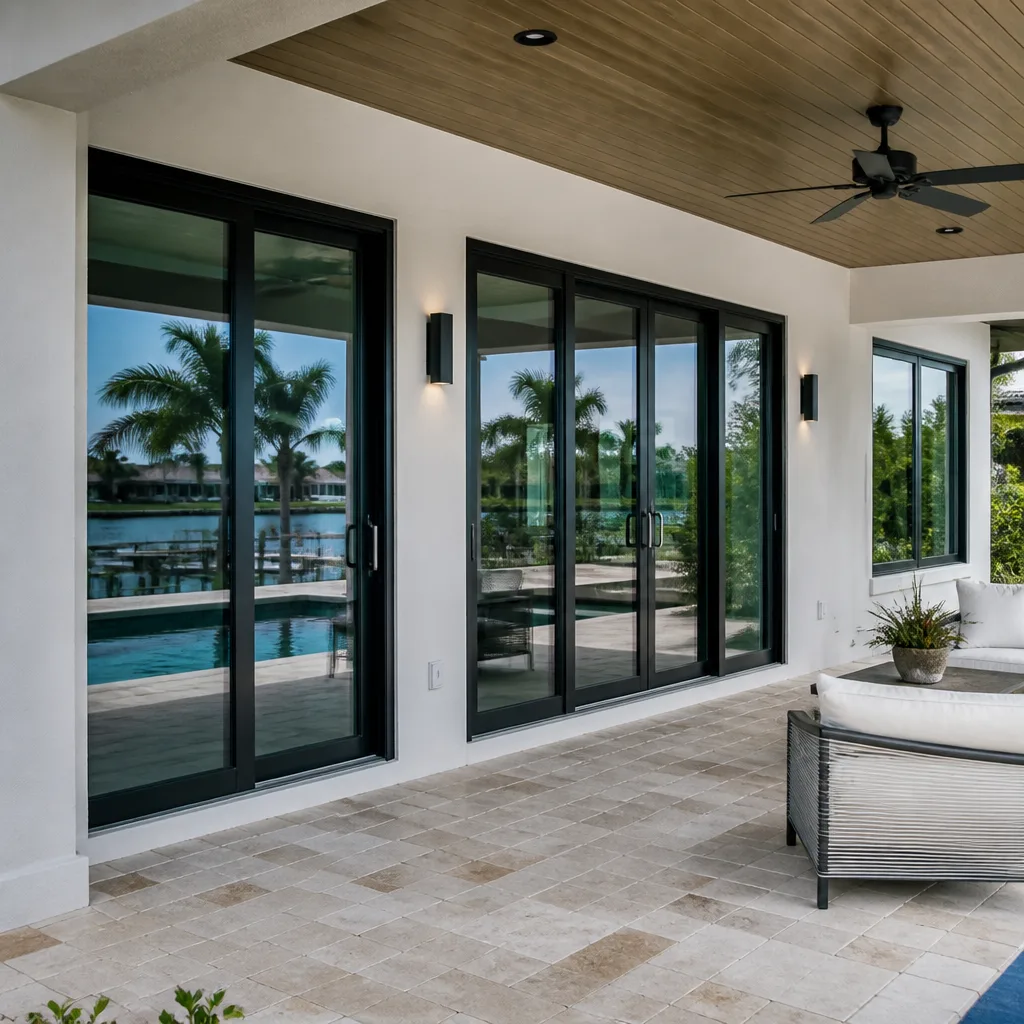
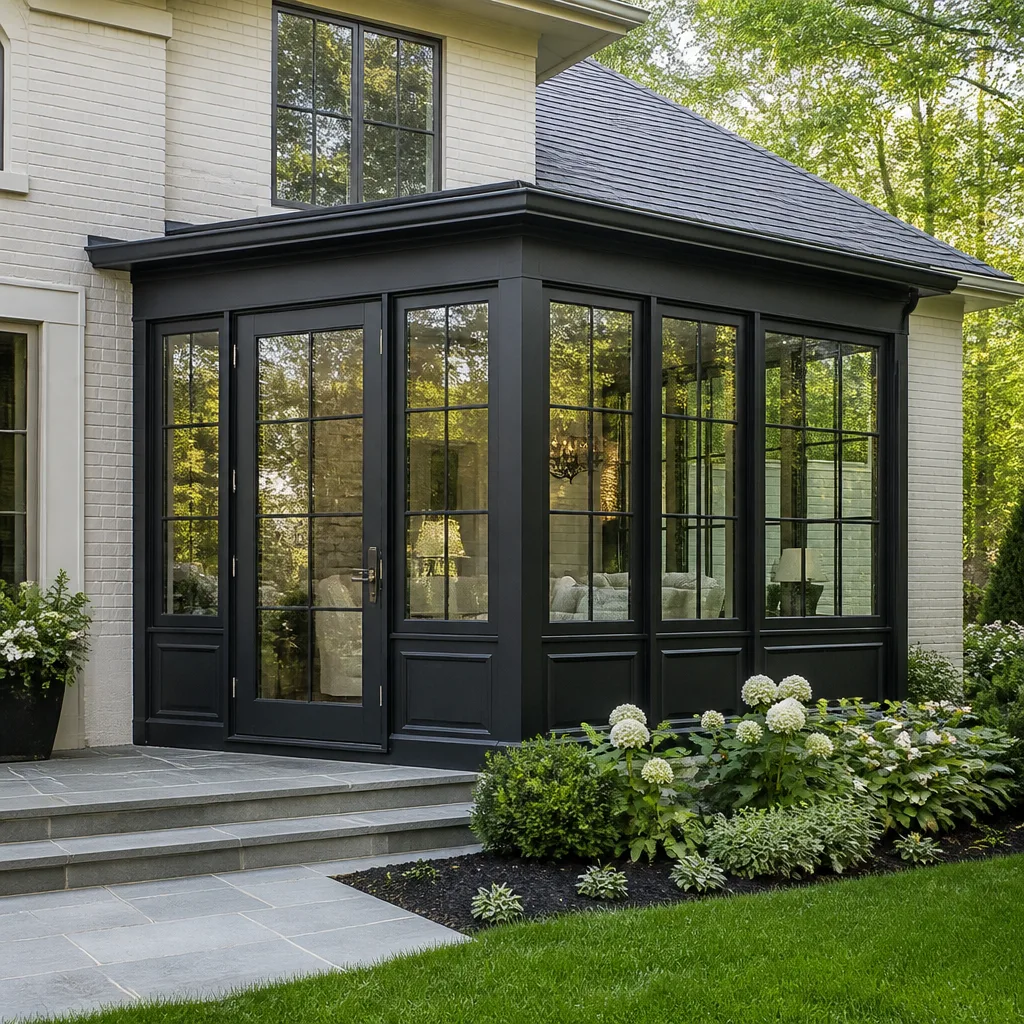
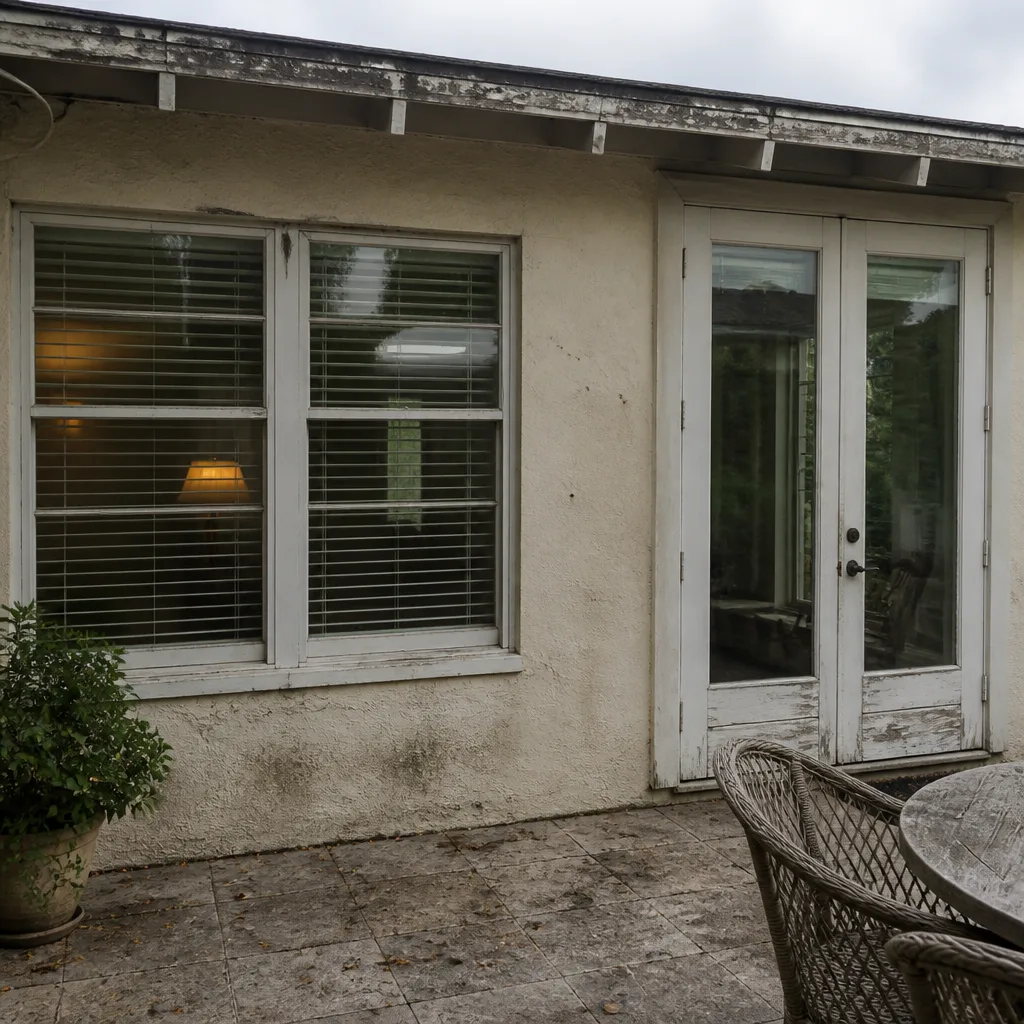 Before
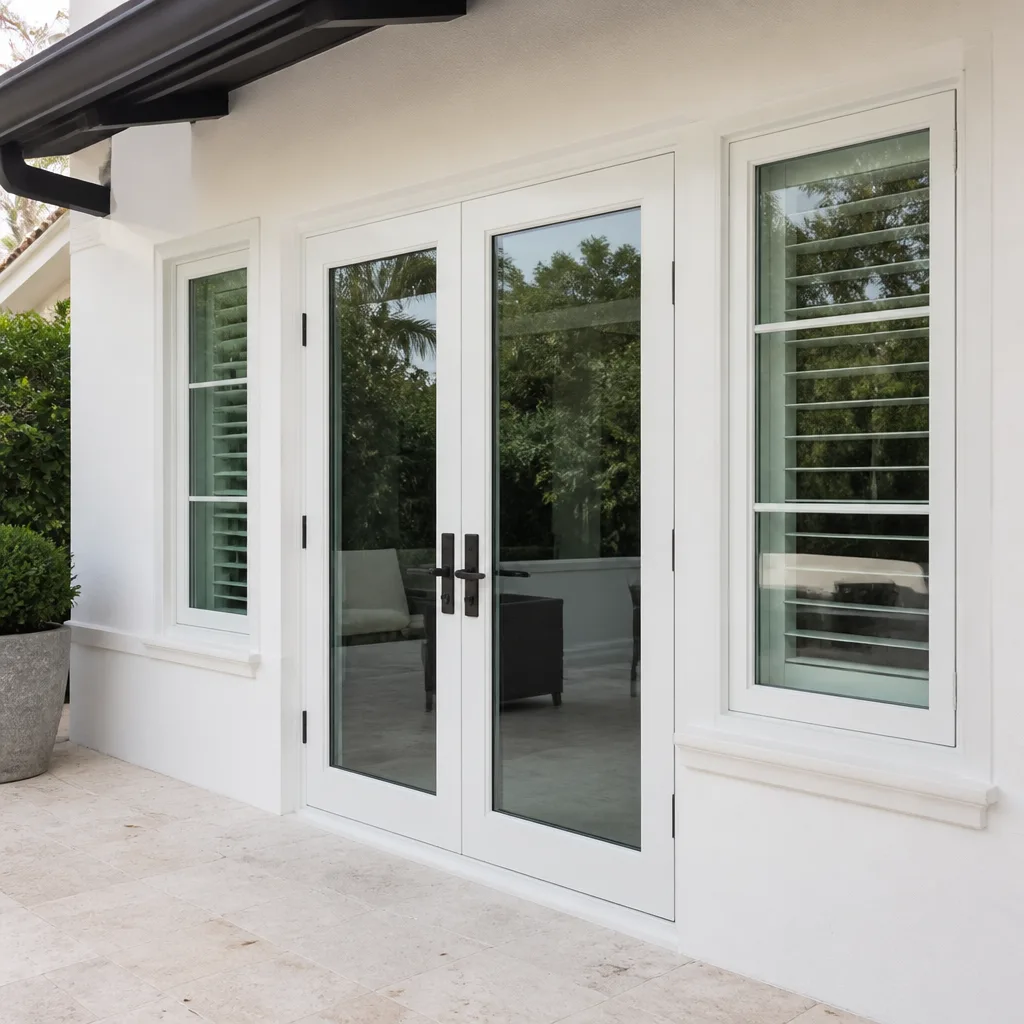 After
After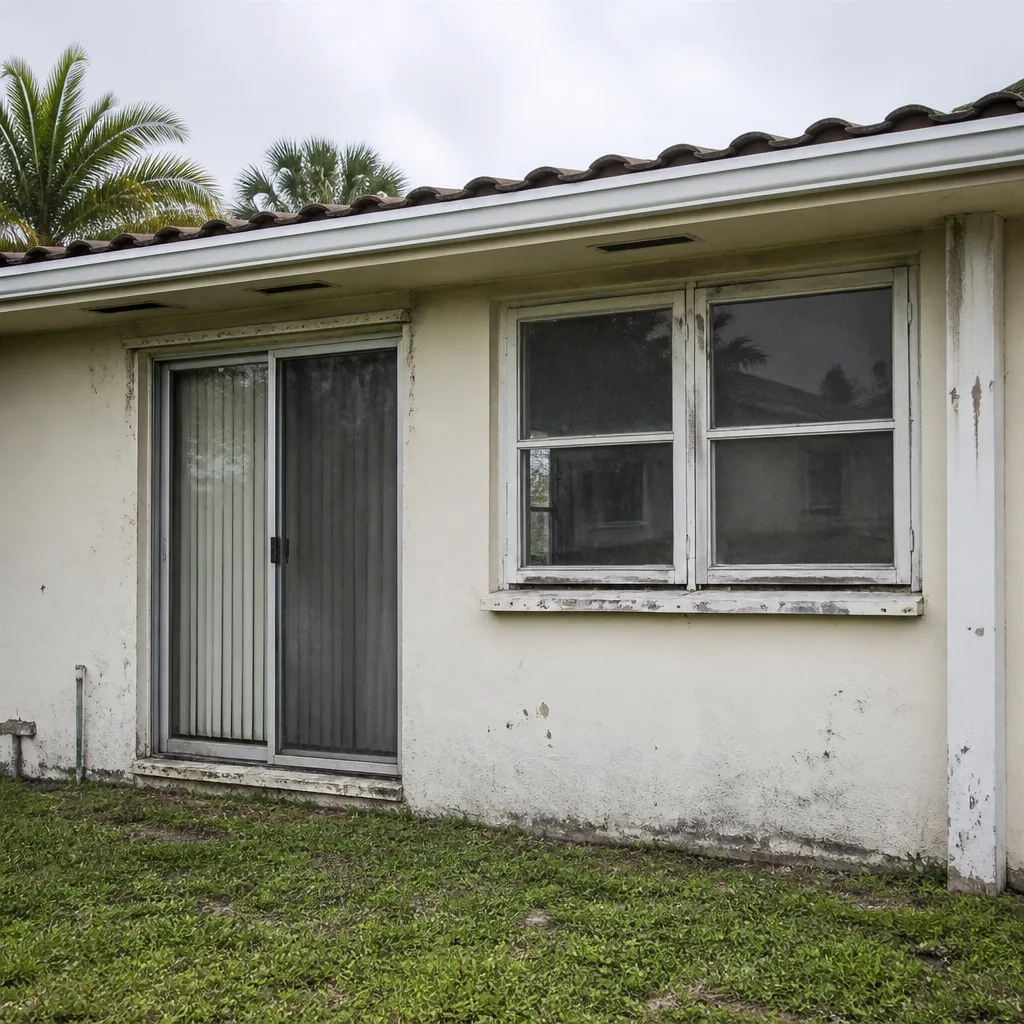 Before
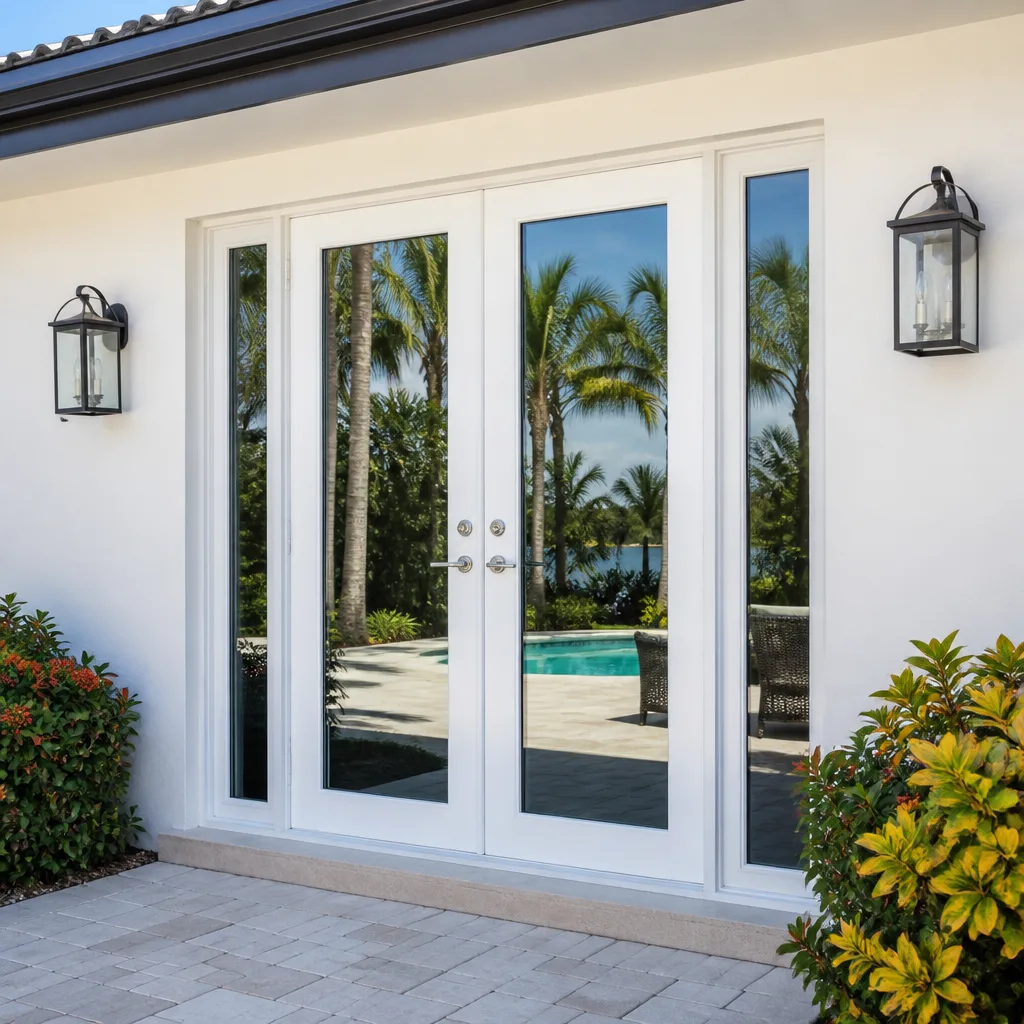 After
After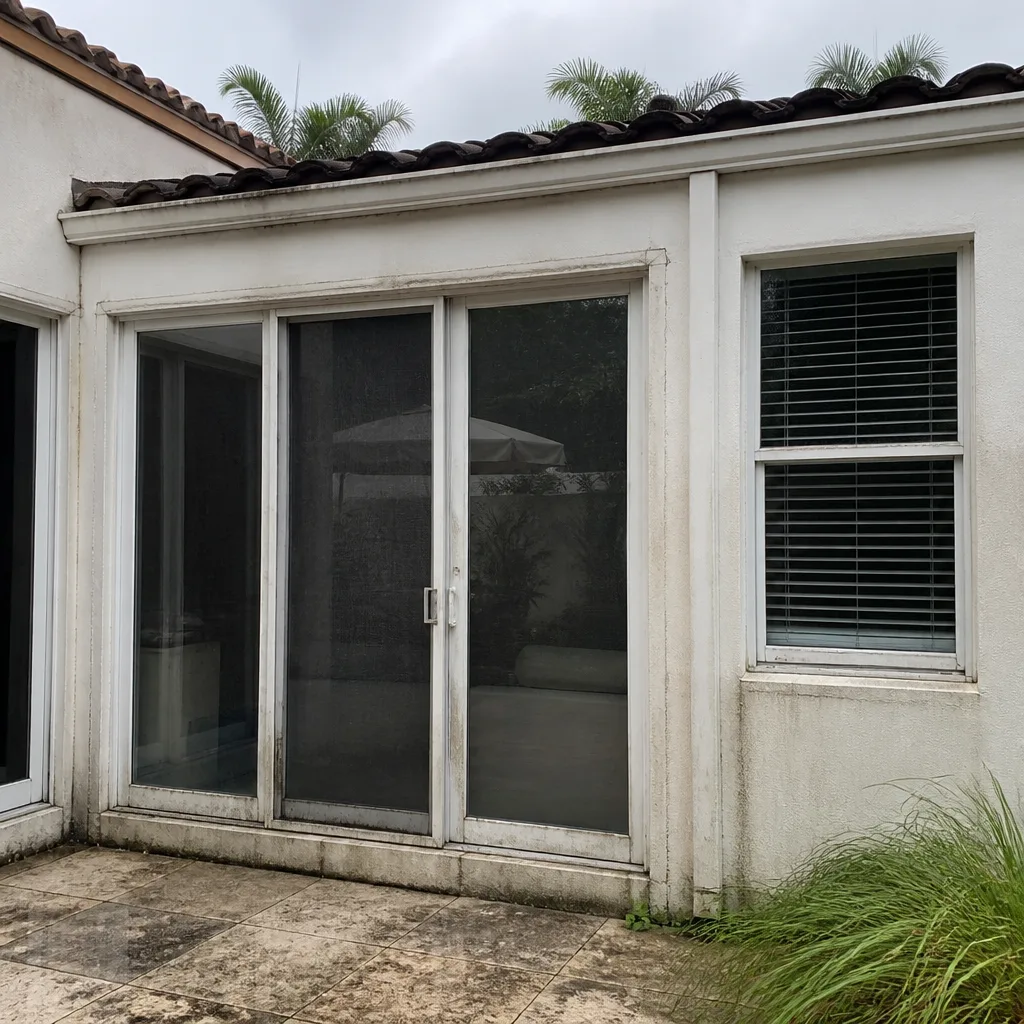 Before
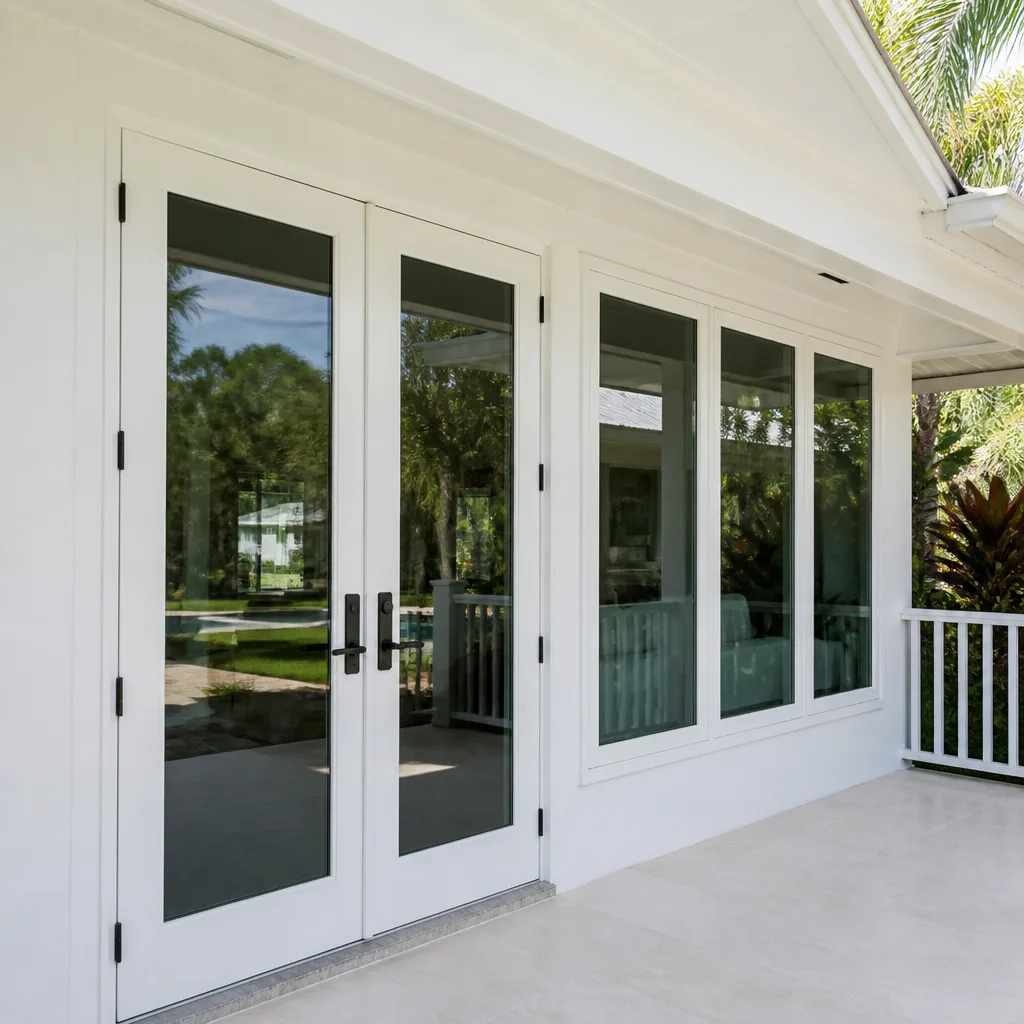 After
AfterSeasonal Windows & Doors Care for Palm Beach: Year-Round Homeowner’s Guide
Most homeowners assume summer is the hard season on windows and doors in South Florida. The truth surprises people: the dry months from November through April are when salt-air damage accelerates fastest. Lower humidity means salt crystals settle and concentrate on frames, tracks, and hardware instead of being washed away by afternoon rain. This guide maps a month-by-month care calendar built around what Palm Beach actually throws at a home, so you can prevent the emergency calls before they happen. For Windows & Doors Warning Signs: A Palm Beach Homeowner’s Reference Guide, see our companion resource.
Quick Answer
Seasonal window and door maintenance in Palm Beach means two distinct care cycles: a pre-hurricane-season storm-prep ritual completed before June 1, and a dry-season salt-and-seal maintenance window from November through January. Most homeowners can handle basic seasonal care themselves in a half-day session twice a year, but impact-rated systems, multipoint door hardware, and post-storm inspections benefit from a professional eye. Before starting, review our Windows & Doors Permits, Codes & Inspections in FL: What You Need to Know. Winslow Windows & Doors has served Palm Beach homeowners since 2011 and offers free estimates at (561) 782-7525.
Table of Contents
- The Palm Beach Climate Reality: Two Threat Cycles, Not Four Seasons
- April Pre-Season Ritual: The Six-Point Storm-Prep Checklist
- November to January: Why Dry Season Is the Best Window for Caulk and Weatherstripping
- The August Post-Storm Walk-Around Protocol
- Lubricating Multipoint Door Hardware in High-Humidity Climates (Without Attracting Dirt)
- The Quiet Season: February Tasks That Prevent Summer Emergency Calls
- Common Mistakes to Avoid
- When to Call a Professional
- Frequently Asked Questions
- The Bottom Line
The Palm Beach Climate Reality: Two Threat Cycles, Not Four Seasons
Palm Beach doesn’t get fall leaf cleanup or spring thaw checks. What we get is salt, wind, humidity, and UV exposure that works on window frames and door hardware year-round. The salt is the silent killer. Ocean breeze carries microscopic salt crystals inland for miles, and they settle into every track, hinge, and seal on your home’s exterior openings.
We split the Palm Beach calendar into two threat cycles and two transition windows:
- Hurricane season threat cycle: June 1 through November 30. Peak activity typically lands August through October. Wind-driven rain, debris impact, and pressure differentials test every seal and impact rating on your windows and doors.
- Dry-season salt drift cycle: November through April. Lower humidity means salt doesn’t rinse away naturally. It bakes onto aluminum frames, corrodes steel rollers, and grinds down weatherstripping at an accelerated rate.
- April transition window: The four to six weeks before hurricane season starts. This is when smart Palm Beach homeowners complete their storm-prep checklist while contractors still have open schedules.
- November transition window: The first cool, dry stretch after hurricane season ends. This is the ideal time for seal replacement, caulk work, and any repair that needs dry conditions to cure properly.
In our experience as a Palm Beach window and door company, homes that follow this two-cycle rhythm see dramatically fewer mid-summer failures. The homeowners who call us in August with a blown-out slider or a door that won’t latch are almost always the ones who skipped the April checklist. The door didn’t fail in August. It started failing in February and nobody noticed.
April Pre-Season Ritual: The Six-Point Storm-Prep Checklist
Before June 1 arrives, spend half a day on this six-point checklist. It costs nothing but time and catches most of the issues that turn into August emergencies. We’ve walked hundreds of Palm Beach homes through this routine, and the ones who do it consistently report fewer storm-season problems than those who don’t.
- Operate every window and door in the house. Open and close each one fully, twice. Listen for grinding, feel for resistance, and watch for sag. A door that drags now will bind completely when humidity spikes in July. A window that sticks at the halfway point may not close and seal when you need it locked for a storm.
- Inspect weatherstripping with a flashlight. Look for cracks, flat spots, and gaps where the seal meets the frame. Palm Beach sun breaks down rubber and foam seals in two to three years. If you can see daylight through a closed door, the seal is done. Don’t wait for the next rain to confirm what your eyes already told you.
- Check the weep holes and drain channels. Every sliding door and window frame has drainage channels that carry water out of the track. In Palm Beach, these clog with salt crust, sand, and dead lovebugs. A clogged weep hole means water backs up into the frame and eventually finds its way inside your wall. Clear them with a soft brush or compressed air.
- Test locking mechanisms and multipoint hardware. Close the door and engage every lock point. If a multipoint lock only partially engages, the door may not seal against wind-driven rain. This is also the moment to lubricate (we cover the specifics below).
- Look for frame damage and corrosion. Walk the exterior of every window and door. Check for white oxidation on aluminum frames, rust stains below rollers, and any warping or cracks. In Palm Beach, salt corrosion on unsealed aluminum appears as chalky white powder. Once it starts, it spreads.
- Verify impact ratings and shutter hardware. If you have impact windows in Palm Beach, confirm the labels are intact and the glazing shows no cracks or cloudiness from seal failure. If you use shutters or panels, test the hardware now, not when a storm is 48 hours out.
This checklist is intentionally simple. Most Palm Beach homeowners complete it in four hours or less, and the payoff is a storm season where surprises are rare rather than routine. If step two or step six reveals problems, call us for a professional assessment before hurricane season officially begins.
November to January: Why Dry Season Is the Best Window for Caulk and Weatherstripping
Here’s the counterintuitive part most guides miss: the dry season is when salt damage accelerates. During the wet summer months, daily rain rinses salt residue off window frames and door tracks. From November through April, that natural rinse cycle shuts off. Salt crystals accumulate, and in low humidity they bond more aggressively to aluminum and painted surfaces.
That makes November through January the ideal window for seal replacement and caulk work in Palm Beach. The conditions are right: low humidity means caulk and sealant cure properly, and temperatures stay in the comfortable range that allows adhesives to bond fully.
Why Caulk Fails Faster in Palm Beach
Caulk is a wear item, not a permanent fix. In Palm Beach, exterior caulk around windows and doors typically lasts two to five years depending on sun exposure, salt load, and the quality of the original application. The signs of failure are obvious if you look: cracking, pulling away from the frame, discoloration, or the presence of tiny salt crystals crusting along the bead line.
Replacing failed caulk in November or December means the new seal will be fully cured before the next summer storm season tests it. Replacing the same caulk in May gives it only weeks to cure before hurricane season starts. That’s not enough time for a proper seal, and the result is a repair that fails prematurely.
Weatherstripping: The Overlooked Energy Leak
Weatherstripping in Palm Beach does double duty. It seals against rain and it blocks the salt-laden air that corrodes hardware and frames. When weatherstripping fails, salt gets into places it shouldn’t be, and your air conditioning leaks out through every gap.
We recommend checking weatherstripping in November and replacing any questionable pieces before January. The work is straightforward on most doors and windows, but if the frame has shifted or the door is out of alignment, new weatherstripping won’t fix the underlying problem. That’s when a professional adjustment is worth the cost.
For homeowners planning a larger upgrade, the dry season is also the best time to schedule window replacement in Palm Beach. Contractors have more schedule flexibility, the weather cooperates for installation work, and your new windows will be fully sealed and tested before the next storm season arrives.
The August Post-Storm Walk-Around Protocol
Every named storm, not just the big ones, deserves a walk-around. Even a tropical storm that passes 100 miles offshore can drive salt spray and wind-blown debris across Palm Beach, and the damage isn’t always visible from inside the house. We recommend this protocol after any storm event with winds over 40 mph in Palm Beach.
- Inspect from the outside first. Walk the perimeter and examine every window and door frame for dents, scratches, salt residue, and debris lodged in tracks. Look specifically at the lower corners of frames, where wind-driven rain pools and salt accumulates.
- Test every operable window and door. Open and close each one completely. Note any new resistance, grinding, or misalignment. A door that was smooth in April and rough after a storm has a problem that won’t fix itself.
- Check interior walls near openings for moisture. Run your hand along the drywall below and beside every large window and door. Look for soft spots, discoloration, or bubbling paint. These are signs water penetrated the seal during the storm.
- Inspect weatherstripping for tears. High winds can tear loose or poorly bonded weatherstripping. Any piece that’s visibly damaged needs replacement before the next storm.
- Clear salt from tracks and hardware. After any salt-heavy wind event, wipe down tracks and visible hardware with a damp cloth. This is the single highest-return maintenance task for preventing corrosion in Palm Beach.
- Photograph any suspected damage. Document what you find with photos and notes. Whether you’re filing an insurance claim or scheduling a repair, clear documentation saves time and disputes later.
Most post-storm issues we see in Palm Beach are minor: jammed tracks full of sand, salt-crusted rollers, or a loose handle. But minor issues compound. The roller that grinds today will seize next month, and the door that requires a hard pull to latch will eventually stop latching completely. Catching these problems in the week after a storm prevents the emergency call in the month after.
Lubricating Multipoint Door Hardware in High-Humidity Climates (Without Attracting Dirt)
Multipoint locking systems on modern entry doors and French doors are complex mechanical assemblies. In Palm Beach humidity, they need lubrication more often than they do in drier climates. But most homeowners lubricate incorrectly, and the result is hardware that collects dirt and wears faster than it should.
The rule in high-humidity, high-salt environments: use dry lubricant, not oil. Oil-based lubricants attract dust, sand, and salt particles, which create an abrasive paste that grinds down moving parts. In Palm Beach, that paste forms faster than anywhere else in Florida because the salt concentration in the air is higher.
The Correct Lubrication Procedure
- Clean first. Wipe down all accessible hardware surfaces with a dry cloth. Remove visible salt residue, dust, and grime from hinges, latch points, and the multipoint track.
- Use a dry silicone or PTFE spray. These lubricants leave a clean film that repels dirt and salt instead of attracting it. Avoid WD-40 for multipoint hardware. It’s a solvent and light lubricant that evaporates quickly and pulls in dirt.
- Apply to pivot points only. Target the hinge pins, latch tongues, roller mechanisms, and the top and bottom shoot bolts. A light coat is enough. Over-lubricating is as bad as under-lubricating.
- Operate the mechanism. Open and close the door several times, cycling the lock through full engagement and retraction. This distributes the lubricant evenly.
- Wipe away excess. Any lubricant that remains visible on the surface will attract dirt. Wipe it off after cycling. The working surfaces have what they need.
We recommend lubricating multipoint hardware twice per year in Palm Beach: once in April as part of the pre-season checklist, and once in November after hurricane season ends. Doors that face the ocean or the Intracoastal may need quarterly attention because the salt load is higher. If lubrication doesn’t resolve a stiff or grinding door, the problem is usually alignment, and that’s a professional adjustment.
The Quiet Season: February Tasks That Prevent Summer Emergency Calls
February in Palm Beach is the quietest month for window and door emergencies. No hurricanes, no extreme heat, and the salt drift cycle hasn’t peaked yet. That makes it the perfect month for the three preventive tasks that most homeowners skip entirely. These aren’t glamorous, but they prevent a disproportionate share of the emergency calls we get in July and August.
Screen Inspection and Repair
Screens in Palm Beach take a beating. Salt air corrodes aluminum screen frames, UV breaks down the mesh, and summer storms tear loose corners. By February, screens have survived a full storm season and started accumulating dry-season salt. Inspect every screen for tears, holes, and frame corrosion. Small holes can be patched; torn mesh and corroded frames need replacement. A screen that fails in February becomes an open invitation for mosquitoes and no-see-ums by May. We install premium screened systems from manufacturers like Mr-Glass and CWS, and February is the easiest month to schedule the work.
Threshold Adjustment
Entry door thresholds in Palm Beach settle over time. Concrete slabs shift microscopically, wood subfloors flex with humidity swings, and the threshold that sealed perfectly two years ago may now be letting air, insects, and water through the bottom. February is the right time to check the threshold gap: close the door, look for daylight underneath, and slide a piece of paper under the closed door. If it passes through without resistance, the threshold needs adjustment or replacement. This single fix often resolves drafts, insect entry, and the annoying “door won’t latch” problem that peaks in summer humidity.
Drain Channel Flushing
We mentioned weep holes in the April checklist. February is the time to do a deeper clean. Use a garden hose on low pressure to flush water through the drain channels of sliding doors and window frames. Confirm the water exits through the weep holes quickly and completely. If water pools in the track, the drains are clogged below the surface. In Palm Beach, this is common after a dry winter when construction dust, salt, and debris have settled into the channels. For frames with persistent clogging, a professional can remove the sash and clean the internal drain path properly. This is also a good moment to check window installation details in Palm Beach homes, because improperly flashed openings often reveal themselves first as slow drainage.
Hardware Torque Check
Finally, go through the house with a screwdriver and check every visible screw on door handles, hinges, and window locks. The salt-and-humidity cycle in Palm Beach causes metal to expand and contract, which gradually loosens fasteners. A handle that feels wobbly in February will fail completely in August. Two minutes per door now saves a service call later.
Common Mistakes to Avoid
- Waiting until June to do storm prep. Contractors in Palm Beach book out weeks ahead of hurricane season. By June 1, you’re competing with every neighbor who had the same idea, and your project waits while a named storm forms in the Atlantic. April is the month to act.
- Using oil-based lubricants on door hardware. In Palm Beach’s salt-heavy air, oil attracts salt and sand, creating abrasive paste that accelerates wear. Dry silicone or PTFE spray is the only correct choice for multipoint hardware and rollers.
- Ignoring weep holes and drain channels. These tiny openings are the only exit path for water that enters the track. In Palm Beach, they clog fast with salt and sand. A clogged weep hole means water backs up into the wall cavity, and by the time you see the inside damage, the repair is expensive.
- Replacing weatherstripping without fixing the underlying alignment issue. If a door sags or a window frame is out of square, new weatherstripping will fail within months. Fix the alignment first, then replace the seal. This is a classic Palm Beach mistake we see on older homes with settled concrete slabs.
- Postponing post-storm inspections because “the storm wasn’t that bad.” We’ve already covered this, but it bears repeating. A tropical storm 100 miles offshore still delivers salt spray and wind-driven rain to Palm Beach. The damage accumulates quietly, and the first sign is often a failed seal during the next big storm.
- Using household cleaners on impact glass and frames. Ammonia-based cleaners can cloud impact-rated glazing and strip the protective finish on aluminum frames. In Palm Beach’s salt environment, this accelerates the deterioration. Stick with mild soap, water, and a soft cloth for regular cleaning.
- Assuming impact windows don’t need maintenance. Impact rating doesn’t mean maintenance-free. Seals still age, hardware still wears, and salt still corrodes. A well-maintained set of impact windows lasts 30 years or more, but neglected ones fail early, and the replacement cost is substantial.
When to Call a Professional
Most of the seasonal care in this guide is DIY-friendly. But certain situations call for an experienced Palm Beach window and door professional. If you see cracks in frame corners or weld points, visible daylight through a closed and locked panel, condensation between the panes of insulated glass, or doors that require lifting to latch, the problem goes beyond routine maintenance. Impact glazing that shows cloudiness, delamination, or shattering is a code and insurance matter, not a weekend project. If salt corrosion has eaten through the finish on aluminum frames, a professional can assess whether the frame integrity is compromised. Our team at Winslow Windows & Doors is local, owner-operated by Ed Winslow, and we’ve seen every window and door issue Palm Beach can throw at a home. We offer free estimates and honest guidance. Call (561) 782-7525 and someone will answer, any hour, any day.
Frequently Asked Questions
Twice per year: a full pre-season inspection and storm-prep session in April, and a seal-and-hardware maintenance session in November or December. Add the February quiet-season tasks (screens, thresholds, drain flushing) and you’ve covered the full Palm Beach maintenance calendar. Call (561) 782-7525 if you’d rather hand the checklist to a professional.
The dry season from November through April is the best window for window replacement in Palm Beach. Low humidity allows caulk and sealant to cure completely, and you’ll have the new windows tested and sealed before hurricane season begins. We schedule most of our Palm Beach installations during this period.
DIY seasonal maintenance costs nothing but time, roughly four to six hours per session twice a year. Professional inspections typically range from $100 to $250 depending on the number of openings, and specific repairs like weatherstripping replacement or threshold adjustment run $150 to $400 per item in Palm Beach. For detailed pricing factors, see our Windows & Doors Cost Breakdown: The Palm Beach Homeowner’s Reference for 2026. Winslow Windows & Doors offers free estimates, no trip charge inside Palm Beach County, and $40 off any repair over $200. Call (561) 782-7525 for exact pricing.
Impact windows need the same seasonal care as standard windows: track cleaning, weatherstripping inspection, hardware lubrication, and frame inspection. The difference is what you’re protecting is more expensive, and the stakes of seal failure are higher. Impact-rated frames from brands like PGT, CGI, and ES Windows are built for Palm Beach conditions, but seals and weatherstripping are still wear items that age regardless of the impact rating.
High humidity causes wood door slabs and frames to swell, which puts pressure on the locking points and makes them bind. Salt accumulation on the hardware compounds the problem by adding friction. The right fix is February threshold adjustment and April hardware lubrication, which keeps the door aligned and the mechanism clean before the humid season arrives.
Yes. Salt air is the single most aggressive environmental factor for windows and doors in Palm Beach. Unprotected aluminum develops chalky white oxidation within two to three years of direct ocean-adjacent exposure, and hardware corrosion follows quickly. Homes on the Intracoastal or within a few blocks of the beach need more frequent cleaning and lubrication than homes further inland. Brands like ECO Window Systems and CWS are engineered for coastal salt exposure, which is why we recommend them for Palm Beach installations.
The Bottom Line
Palm Beach homeowners who follow a two-cycle maintenance calendar, April storm prep and November dry-season sealing, will catch most problems before they become emergencies. The February quiet-season tasks, screens, thresholds, and drain channels, add another layer of prevention that pays off in summer. None of this is complicated, but it is consistent. The homes that age well in Palm Beach are the ones that get attention twice a year, every year, without fail. If you’d rather spend your Saturdays doing something else, Winslow Windows & Doors is The One Down the Road. We’ve served Palm Beach since 2011, and we’re happy to handle the maintenance calendar for you. Call (561) 782-7525 for a free estimate.
Written by Ed Winslow, Owner at Winslow Windows & Doors, serving Palm Beach since 2011.
Six Reasons Homeowners Choose Winslow Windows & Doors
Impact systems engineered to design pressures up to +/-100, matched to your wind zone - your openings hold when the storm arrives.
Low-E insulated impact glass from our manufacturer lines commonly cuts monthly cooling bills 20-30%.
Laminated impact glass shuts out up to 40% of outside noise - traffic, neighbors, weather.
Monitoring services run $30-90 a month. Laminated impact glass resists forced entry around the clock, with no subscription.
Florida homeowners average around 25% savings on the windstorm portion of their policy after protecting every opening - some homes qualify for more.
A full impact package upgrades curb appeal, buyer confidence and appraised value in one project.