
Last updated August 27, 2026
Free in-home measure and quote - PGT, CGI and CWS impact lines compared on your actual openings, style by style


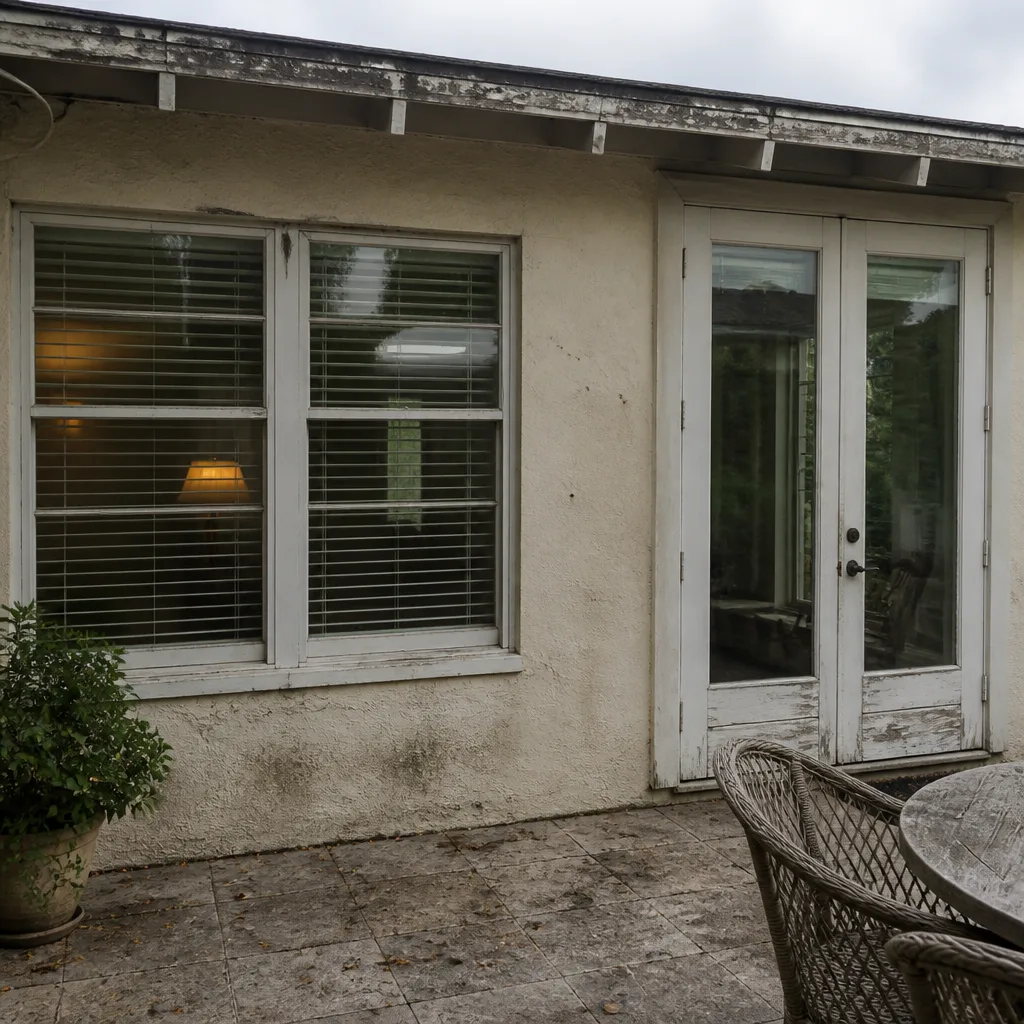 Before
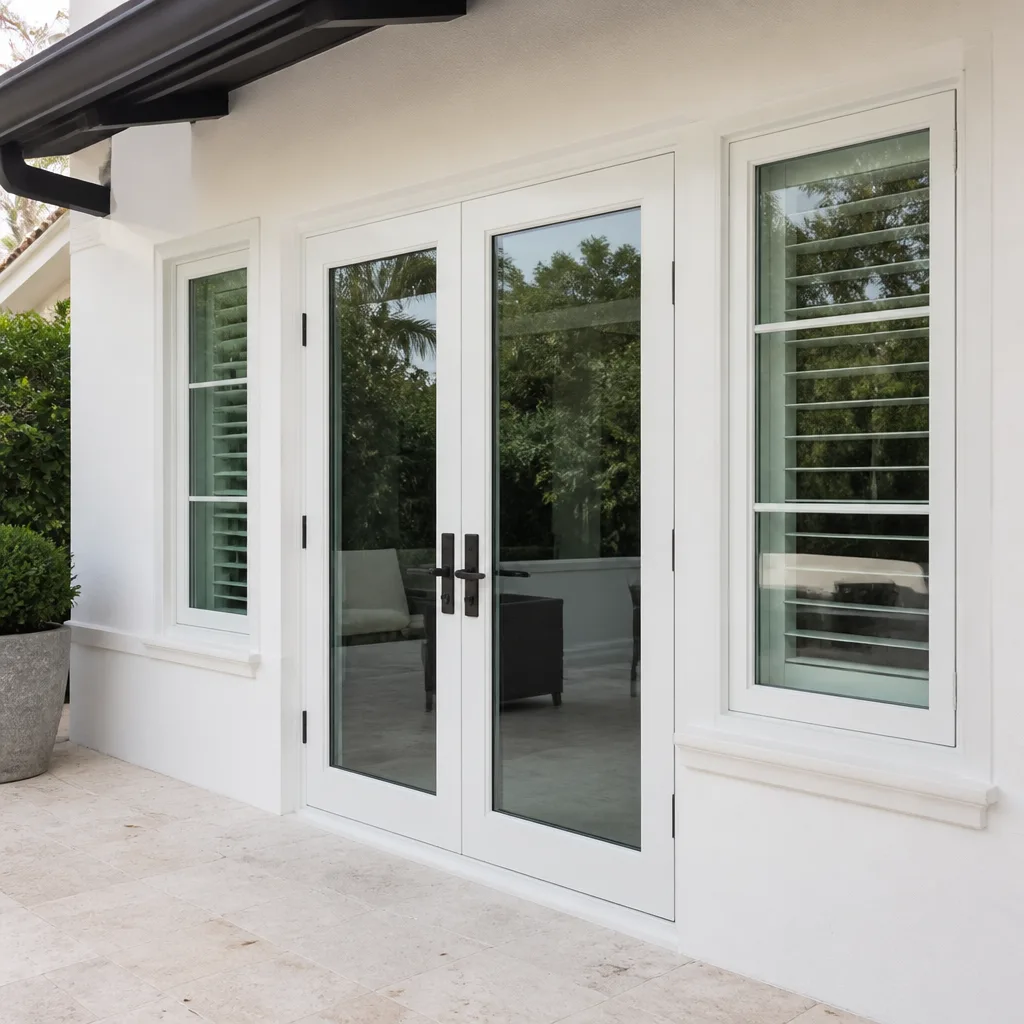 After
After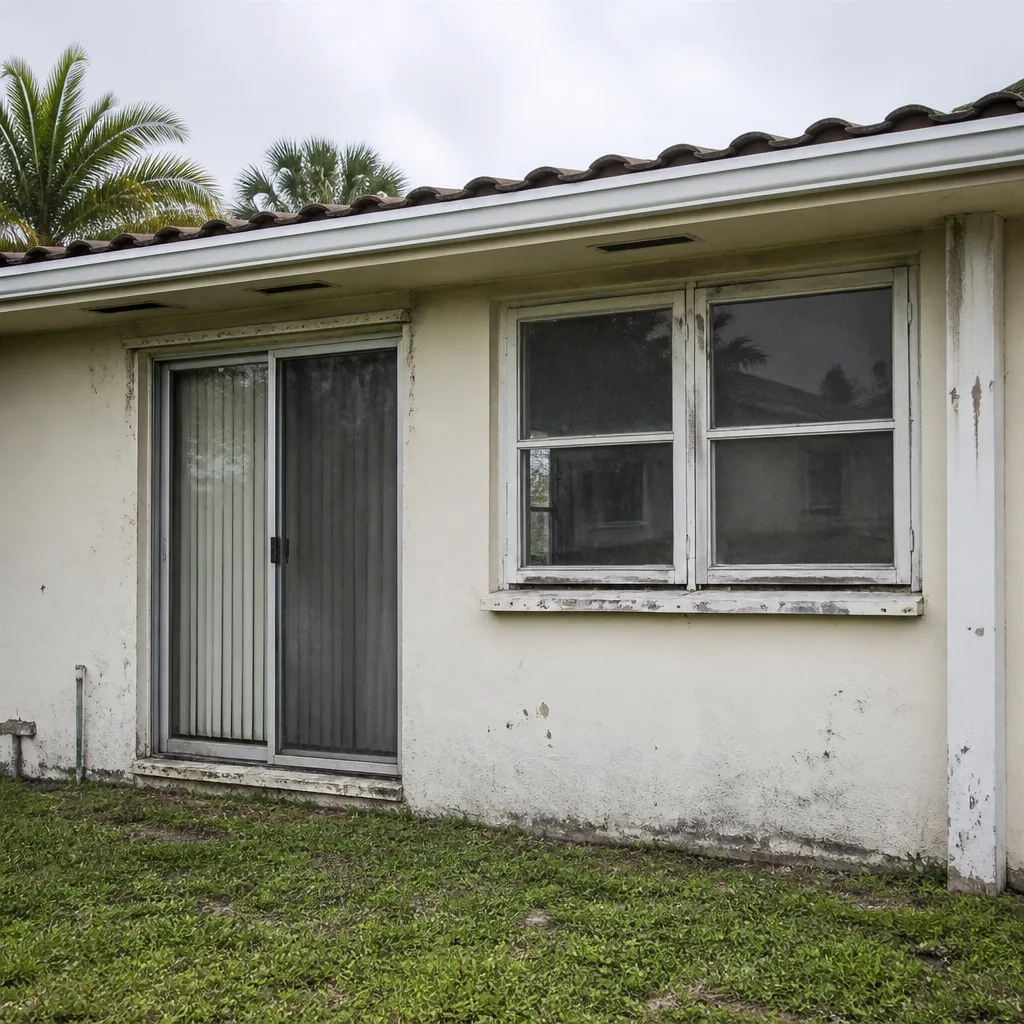 Before
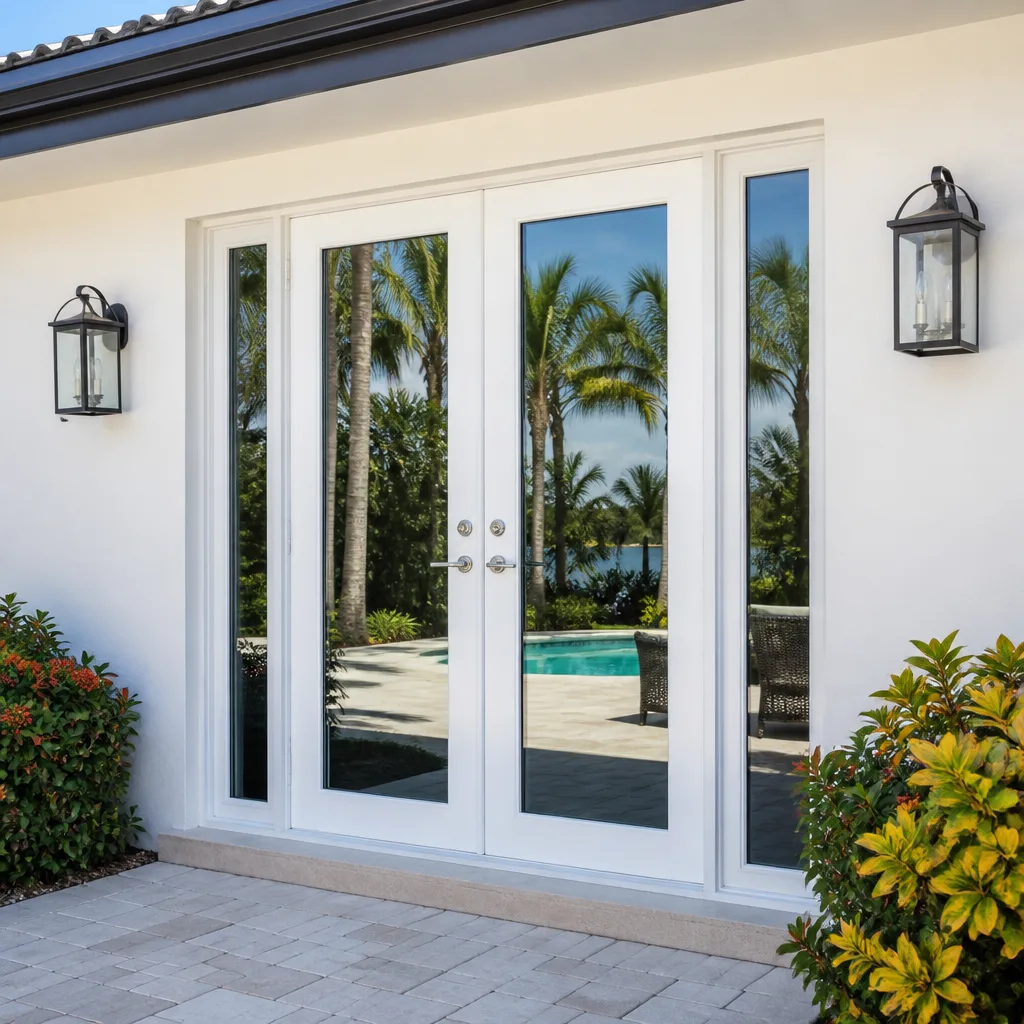 After
After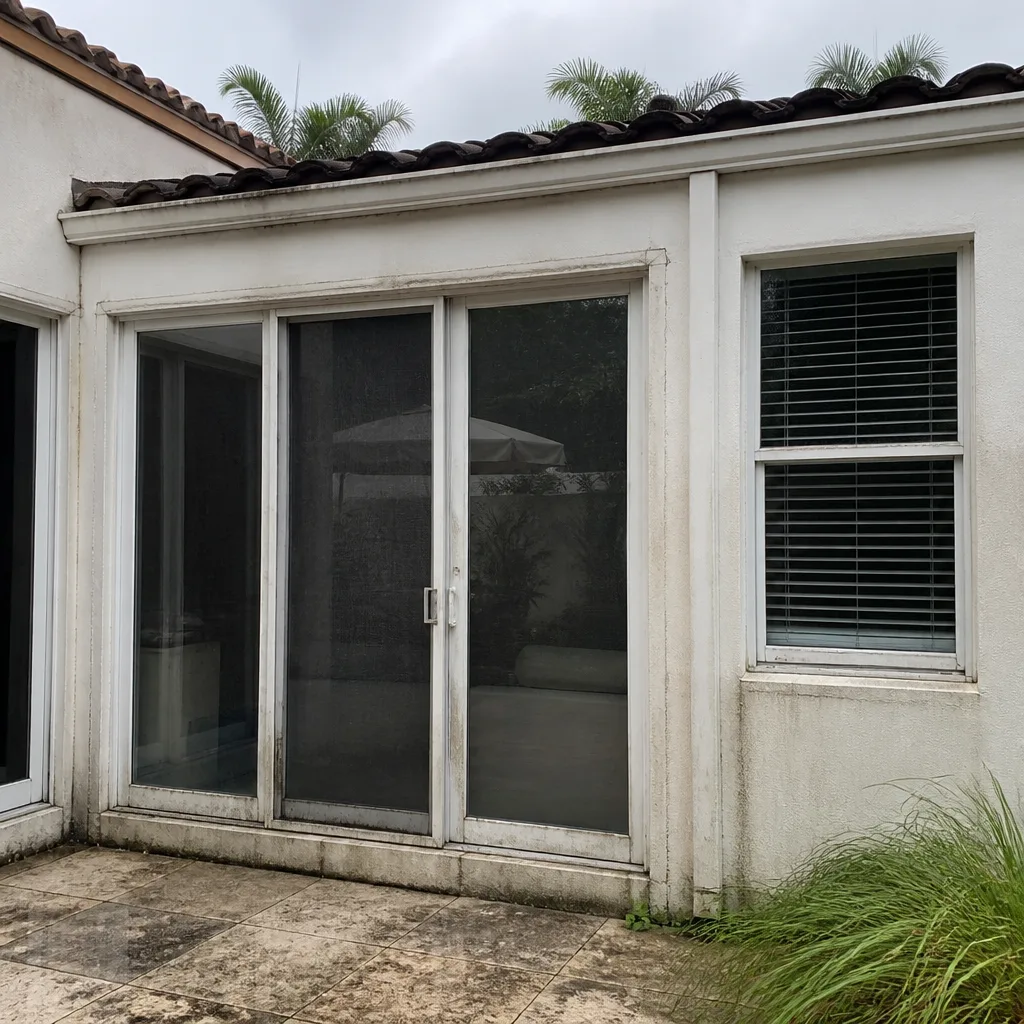 Before
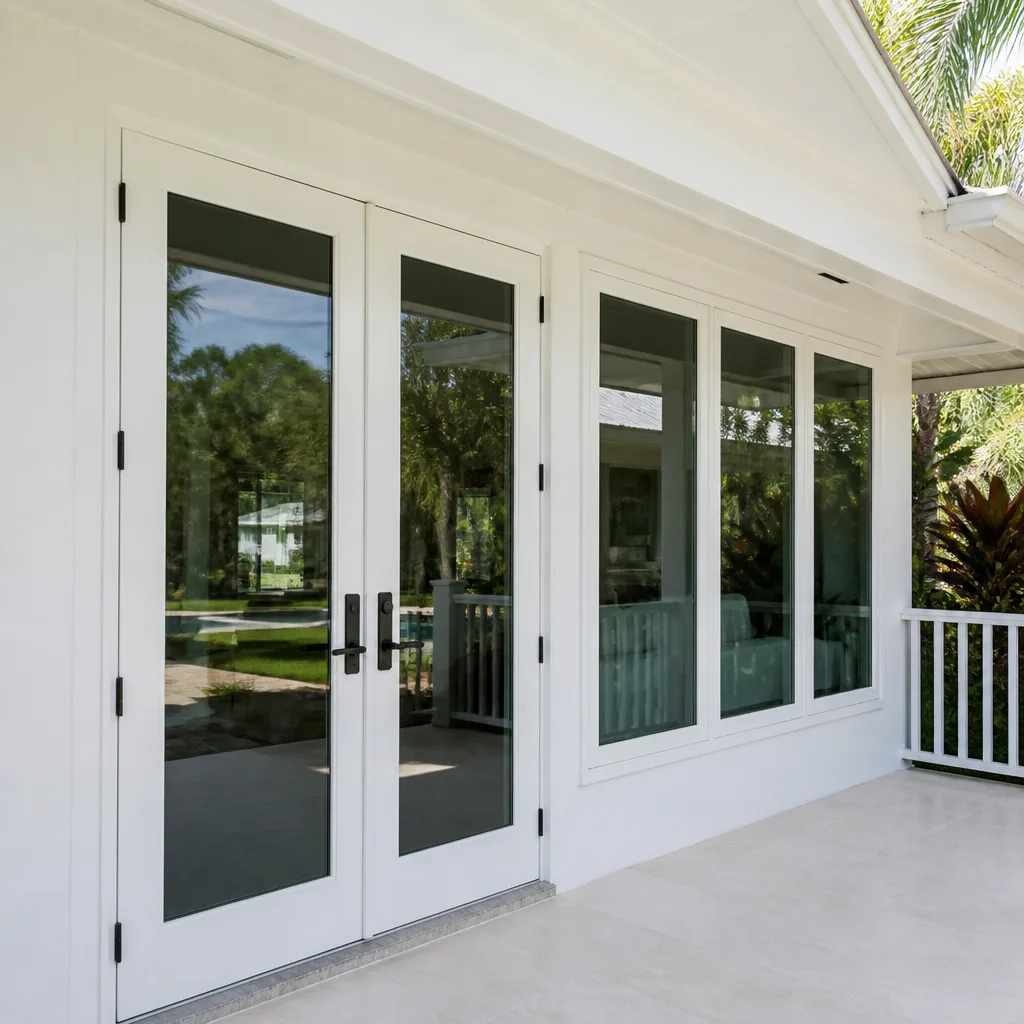 After
AfterImpact Windows Maintenance Checklist for Palm Beach Homeowners
Here is a number that should get your attention: the single most common reason impact window warranty claims are denied in Florida has nothing to do with manufacturing defects or botched installation. It is blocked weep holes. Those tiny drainage slots at the bottom of your frame cost nothing to clear, take about thirty seconds per window, and yet they quietly destroy more impact windows in Palm Beach than any hurricane ever has. This guide - along with our Seasonal Windows & Doors Care for Palm Beach: Year-Round Homeowner’s Guide - walks you through a twice-yearly maintenance ritual that takes under two hours, costs less than a tank of gas, and protects what is likely a five-figure investment in your home. If you do nothing else after reading this, grab a paperclip and check your weep holes this weekend.
Quick Answer
Our Impact Windows services team knows that maintenance in Palm Beach comes down to a twice-yearly ritual: clear the weep holes, clean the glass with the right chemistry, inspect glazing seals with a tissue test, check frame fasteners for corrosion, lubricate moving hardware, and document everything with photos. The two critical windows for this work are February through May and August through October, when pollen and salt spray combine to clog drainage channels faster than any other time of year. Skipping this routine does not just shorten product life, it gives manufacturers an easy reason to deny a warranty claim when you need it most.
Table of Contents
- The 30-Second Fix Most Palm Beach Homeowners Never Do: Weep Hole Clearing
- Cleaning Chemistry: What Cleans Low-E Coatings and What Etches Them Permanently
- The Tissue-Paper Test: How to Check Glazing Seal Integrity Without Any Tools
- Frame Fastener Inspection: When Surface Rust Is Cosmetic and When It Is Structural
- Hardware and Track Maintenance: The Salt-Spray Problem
- Post-Storm Inspection Checklist: What to Photograph and Document for Warranty Protection
- Common Mistakes to Avoid
- When to Call a Professional
- Frequently Asked Questions
- The Bottom Line
The 30-Second Fix Most Palm Beach Homeowners Never Do: Weep Hole Clearing
Weep holes are the small slots or channels along the bottom edge of your impact window frame. Their job is simple: let water that seeps past the exterior gasket drain back outside instead of pooling inside the frame. When they clog, water sits against the frame, corrodes internal hardware, breeds mold in the track, and eventually finds its way into your wall cavity. In Palm Beach, the clogging agents are not subtle. We get heavy pollen from February through May, then a second wave of airborne salt, sand, and organic debris from August through October as storm season churns the coastline. That is why a twice-yearly cadence mapped to those two windows is not overkill. It is the minimum.
Here is the routine we recommend, and it takes less than a minute per window:
- Locate every weep hole on the bottom track or sill of the frame. Most impact windows have two to four per sash, but check both the interior and exterior sides.
- Take a bent paperclip, a small zip tie, or a wooden toothpick and gently ream out any visible debris. Do not use anything metal with a sharp edge, which can scratch the frame finish and create a new corrosion point.
- Pour a small cup of clean water into the interior track and watch where it exits. If water backs up instead of draining, the weep hole is still blocked inside the frame channel. A wet/dry vacuum on the exterior side can often pull the clog free.
- Wipe down the track with a dry microfiber cloth to remove pollen dust that will otherwise harden into a film before the next storm.
A telling sign we see in older Palm Beach homes is water staining on the interior sill or peeling paint just below the window. That usually means the weep system has been failing for months, and the water has been going somewhere it should not. If you catch it early, clearing the weep holes solves the problem. If you catch it late, the water has already reached the framing lumber, and the repair cost changes from zero dollars to real money. For a deeper look at how these systems work, see our guide to Impact Windows in Palm Beach, where we break down the anatomy of a properly installed impact window.
Cleaning Chemistry: What Cleans Low-E Coatings and What Etches Them Permanently
Modern impact windows from brands like PGT, CGI come with low-emissivity coatings, microscopic metallic layers that reflect heat while letting light through. These coatings are durable, but they are not indestructible, and Palm Beach cleaning habits are uniquely dangerous to them. The combination of bright sun, salt haze, and hard water from irrigation overspray makes homeowners reach for aggressive cleaners, and aggressive cleaners are exactly what destroys low-E glass.
Three common household products etch low-E coatings permanently:
- Ammonia-based glass cleaners (including many blue-tinted spray cleaners). Ammonia reacts with the metallic coating and creates cloudy patches that cannot be polished out.
- Razor blades or metal scrapers. Even light scraping scores the coating. What looks like a clean window under bright Palm Beach sun will show fine scratches at certain angles forever.
- Abrasive powders or cream cleansers. Anything gritty, including magic erasers used aggressively, wears the coating unevenly and creates permanent haze.
The correct routine is simpler than anyone expects. Use a solution of a few drops of mild dish soap in warm water, applied with a soft microfiber cloth or a clean, non-abrasive sponge. Wipe with a second dry microfiber cloth. That is it. For exterior salt film, rinse with plain water first to float off the salt crystals before any wiping occurs, because wiping salt across dry glass acts like fine-grit sandpaper. Clean on an overcast day or in the early morning when the glass is cool. Hot glass flashes cleaning solution dry before you can wipe it, leaving streaks and, with repeated exposure, mineral deposits baked into the surface.
If you have hard water spots that soap does not remove, a solution of white vinegar and water at a 1:1 ratio works on glass and frames, but keep it off the gaskets and weatherstripping, where acid slowly degrades the rubber. And never, under any circumstances, use a pressure washer on your windows. The force drives water past the seals and into the frame channels, bypassing the weep system entirely. We get calls after every storm season from homeowners who decided to “deep clean” their windows this way and ended up with water inside the house. For homeowners evaluating whether to replace aging windows rather than keep cleaning them, our guide on Window Replacement in Palm Beach lays out the honest math.
The Tissue-Paper Test: How to Check Glazing Seal Integrity Without Any Tools
The glazing seal is the gasket or adhesive bond where glass meets frame, and it is the barrier that keeps wind-driven rain from finding its way inside. In Palm Beach, UV exposure and salt air age these seals faster than in almost any other climate in the country. A failed seal shows up as fogging between the glass panes, but by the time you see fog, the seal has been compromised for months or years. Early detection matters because once the desiccant inside an insulated glass unit is saturated, the window loses both its insulating value and, more critically, the impact performance certification depends on the entire assembly being intact.
The tissue-paper test takes under five minutes and requires no tools:
- Cut or tear a single ply of tissue paper into a strip about two inches wide and ten inches long.
- Close and lock the window completely. On a breezy day, hold the tissue strip around the entire perimeter of the sash, inside your home, about half an inch from the frame.
- Watch the tissue. If it flutters, waves, or is sucked toward the window anywhere along the edge, air is moving through a compromised seal or a failed gasket.
- Repeat on the exterior side if you can safely reach the window from the ground or a stable ladder. A failing exterior gasket often does not yet show air movement inside, but moving tissue on the exterior reveals exactly where the gap is.
- Mark any spots where the tissue moved with a small piece of painter’s tape and photograph them.
Another no-tool check is the press test. Press firmly on the center of the glass from the interior side. A properly sealed impact window will not flex noticeably. If you feel or see the glass bowing slightly and returning, the structural bond between glass and frame is weakening. On large fixed windows and sliding glass doors especially, this is an early warning sign that should not be ignored. A window that has lost seal integrity is no longer performing as an impact-rated assembly, and in Palm Beach, where building code requires impact protection on every opening for homes built or renovated after certain dates, that is not a cosmetic issue. It is a compliance and insurance issue.
Frame Fastener Inspection: When Surface Rust Is Cosmetic and When It Is Structural
Impact windows are anchored to your home’s framing with fasteners, and in a coastal environment, those fasteners and the surrounding frame hardware are exposed to constant salt air. Aluminum frames are standard on most impact windows in Palm Beach because aluminum does not rust, but the fasteners embedded in those frames are often stainless steel or coated steel, and stainless steel in a salt environment is corrosion-resistant, not corrosion-proof. Pitting, surface oxidation, and the white or orange bloom that appears around screw heads are all normal over years of coastal exposure. The question is whether what you are seeing is cosmetic or structural.
Cosmetic surface rust sits on top of the metal. It looks rough, it might be brown or orange, but when you wipe it with a dry cloth, it comes off as a fine powder and the metal underneath is still smooth and solid. Structural corrosion looks different: the metal has visible pitting, flaking, or thickness loss, and the screw head may be so degraded that a screwdriver no longer seats. If a fastener shows structural corrosion, the connection between your impact window and the structure of your house is compromised. In a wind-load event, that is a failure point.
Here is an inspection protocol we use on service calls in Palm Beach:
- Inspect every visible fastener on both the interior and exterior of each window. Use a flashlight at a low angle; it makes pitting and cracking much easier to see.
- Wipe off surface dust and salt film with a dry cloth. You are looking for what is underneath, not what is sitting on top.
- Press a screwdriver into any fastener you can reach. If the metal gives, flakes, or continues to crumble, that fastener is structurally compromised and should be evaluated by a professional.
- Look for staining running down from screw heads - dark streaks on the frame or stucco below a fastener mean water has been working its way through for a while.
- Check the corners of the frame where horizontal and vertical members meet. Stress cracks in the corner welds or sealant joints there are a sign the window has been moving, which often correlates with loose or compromised fasteners.
No homeowner should remove or tighten structural fasteners on an impact window assembly. Impact windows are engineered systems, and the torque specifications on the connection matter. Over-tightening strips the frame or deforms the frame channel, which creates a new path for water intrusion. Under-tightening leaves the anchor loose. This is one of those tasks where a professional evaluation makes sense, and if you are in Palm Beach, Window Installation in Palm Beach done right starts with what is holding the window to the house.
Hardware and Track Maintenance: The Salt-Spray Problem
Locks, hinges, rollers, and tracks on operable impact windows and sliding glass doors take a beating in Palm Beach that inland homeowners never experience. Salt spray settles into every moving part, mixes with humidity, and forms a corrosive paste that accelerates wear on hinges and rollers while making locks feel gritty or stiff. Left alone, the hardware seizes, handles snap off under force, or the window simply will not lock, which means it will not meet the closed-and-locked requirement for both hurricane protection and energy efficiency.
Twice a year, at the same time you clear the weep holes, do the following:
- Vacuum or brush out the bottom track of sliding windows and doors. Pay attention to the corners where debris collects and compacts into a solid block that blocks drainage and wears rollers unevenly.
- Wipe all visible metal hardware, including hinges, handles, keepers, and lock points, with a clean dry cloth to remove salt residue.
- Apply a small amount of dry silicone spray lubricant to hinges and sliding tracks. Do not use WD-40 or any petroleum-based lubricant; the oil attracts dust and pollen, which turns into a gummy residue that grinds more than it lubricates.
- Operate every lock, handle, and sliding panel through its full range of motion three or four times. If you feel binding, grinding, or resistance, note it.
- Check that every locking point actually engages. On multi-point locks, you should feel each point seat as you throw the handle. A single point that does not engage means the sash is out of alignment, and an out-of-alignment sash is a water and air intrusion risk even if the window still closes.
We see a particular pattern in older Palm Beach homes with original sliding glass doors: the rollers are shot, the track is worn down to bare metal, and the door takes a shoulder to open. Homeowners live with it for years because the door “still works,” but a sliding glass door that is that hard to operate is often already compromised. It is also a security weakness; a door that does not seat properly in its track is far easier to force open from the outside. For anyone dealing with a slider at the end of its life, the conversation should include Winslow Windows & Doors home services, which cover full replacements and hardware retrofits across Palm Beach.
Post-Storm Inspection Checklist: What to Photograph and Document for Warranty Protection
The window itself surviving a storm is not the end of your responsibility. What you do in the first 48 hours after a storm passes determines whether a warranty claim is honored or denied. Manufacturers require evidence that the failure was caused by a covered event, not by owner neglect. Documentation is the difference between a paid claim and a denied one, and most homeowners do not document enough.
Here is the post-storm protocol we recommend for every Palm Beach homeowner with impact windows:
- Within 24 hours of the storm passing, photograph every window from the exterior, straight-on, with the entire window in frame. Even if it looks undamaged, take the photo. The undamaged baseline is what makes the damaged-window documentation credible.
- Photograph every window from the interior, same framing. Close-ups of corners, tracks, and any visible hardware.
- If you see any damage, photograph it at three distances: wide shot showing the window in the wall, mid shot showing the entire window, close-up showing the specific damage. Use a coin or tape measure in the close-up for scale.
- Do not clean, wipe, or move anything before photographing. Salt spray residue, water stains, and debris patterns are evidence of what the window was exposed to, and cleaning them destroys information the manufacturer’s inspector may need.
- Note the date, time, and storm name for every photo. Keep a simple log on paper or in your phone; witnesses and memory fade faster than you think.
- If a window cracks or shatters, do not remove the broken glass unless it is an active safety hazard. Leave it in place and photograph it thoroughly.
- If you notice water intrusion, mark the extent of the wet area with painter’s tape before photographing, and do not run fans or dehumidifiers until you have documented the initial conditions, unless the water is an immediate danger.
Palm Beach building codes and most manufacturer warranties require that any damaged impact window be replaced, not repaired, and that the replacement window meet the same impact standards as the original. Temporary boards or tarps are fine for immediate protection, but leaving them in place for weeks while the insurance claim works through creates a new set of problems, including mold and additional water damage. If you need an assessment after a storm, call someone who does this work in Palm Beach every day. Ed Winslow’s team handles post-storm inspections and replacements, and a real person answers the phone at (561) 782-7525, day or night.
Common Mistakes to Avoid
- Pressure washing impact windows. The force drives water past seals and gaskets, overwhelms the weep system, and can etch low-E coatings with entrained sand and salt. We see more seal failures from pressure washing than from actual storms.
- Using ammonia-based glass cleaner. The blue stuff under your sink is coating death. Palm Beach sun makes it worse, because heat accelerates the chemical reaction between ammonia and the low-E metallic layer.
- Ignoring a window that is hard to open or lock. Stiff hardware is the system telling you something is wrong. Forcing it breaks handles, strips lock points, and bends frames. Fix it when it first sticks, not when it snaps.
- Waiting until June to check weep holes. The pollen window closes in May, and then the salt-spray window opens in August. If you miss the February-to-May window, you go into hurricane season with drainage that is already compromised.
- Painting over weep holes or caulking them shut. It happens more than you would believe, especially after a homeowner paints the exterior and does not mask the drainage slots. A sealed weep hole is a guaranteed water intrusion problem.
- Assuming the warranty will cover neglect. Manufacturers in Florida are explicit: failure to perform routine maintenance voids coverage for resulting damage. The person who decides your claim will look for evidence of maintenance, and blocked weep holes with water damage behind them are an easy denial.
- Replacing hardware with non-impact-rated parts. When a handle or lock breaks, a big-box replacement from a hardware store may fit, but it almost certainly is not rated for the impact and wind-load standards your window must meet. Your impact window is only as strong as its weakest component.
When to Call a Professional
Some maintenance issues are beyond what any homeowner should attempt. If you see water between the panes of an insulated glass unit, the seal has failed and the only fix is replacement of the sash or the entire window. If a frame is visibly racked after a storm, or you can see daylight around the sash when the window is closed and locked, the structural connection has moved and needs a professional evaluation. If fasteners show pitting or crumbling, if the frame has stress cracks at the corners, or if water stains appear on the interior drywall below a window after rain, you are past the maintenance stage. Winslow Windows & Doors offers free estimates in Palm Beach - call (561) 782-7525 and a real person will pick up.
Frequently Asked Questions
Maintain your impact windows twice a year in Palm Beach, once between February and May and again between August and October. These two windows cover the heaviest pollen season and the peak salt-spray and storm season, which are the periods when palm beach impact windows accumulate the most debris and corrosion risk. Call (561) 782-7525 if you want a professional inspection scheduled on the same calendar.
No, do not use Windex, ammonia-based cleaner, or any blue glass cleaner on impact windows, because the ammonia reacts with the low-E coating and permanently etches the glass. Use a few drops of mild dish soap in warm water with a microfiber cloth instead, and rinse salt off first when cleaning exterior surfaces in Palm Beach. For a free second opinion on window cleaning damage, call (561) 782-7525.
Your impact window seal has failed if the glass fogs between the panes, if a tissue strip flutters around the sash on a breezy day with the window closed, or if the glass flexes visibly when pressed from the interior. Fogging is the late-stage sign; the tissue test and press test catch seal failure early, which is what you want in Palm Beach where replacement costs rise the longer damage goes unaddressed.
Homeowners insurance in Palm Beach may cover impact window damage from hurricanes, but coverage depends on your policy, your deductible, and whether the window was properly maintained and installed to code. Document everything with photos immediately after the storm, because the quality of your documentation often determines whether a claim is paid.
No, do not attempt to repair cracked impact glass yourself. An impact window is an engineered assembly, and a cracked lite means the entire unit has lost its structural rating and must be replaced, not patched, to meet Palm Beach building code and manufacturer warranty requirements. Call (561) 782-7525 for a free estimate on a code-compliant replacement.
Impact windows in coastal Palm Beach typically last 15 to 25 years, but that range depends heavily on maintenance, with neglected weep holes, corroded fasteners, and failed seals shortening lifespan to a decade or less. UV exposure and salt air are relentless here, and the difference between a 10-year window and a 25-year window is usually the twice-yearly routine described in this guide.
Yes, the locks, hinges, rollers, and tracks on operable impact windows and sliding glass doors need dry silicone lubricant twice a year in Palm Beach to prevent salt-spray corrosion from seizing the hardware. Petroleum-based lubricants like WD-40 attract pollen and salt, creating a gummy paste that wears moving parts faster than no lubrication at all.
The Bottom Line
Impact windows are a five-figure investment that pays back in security, energy efficiency, and insurance savings, but only if you hold up your end of the maintenance bargain. The six checkpoints in this guide - weep holes, glass chemistry, glazing seals, frame fasteners, hardware lubrication, and post-storm documentation - take under two hours twice a year and cost almost nothing. Skipping them invites water intrusion, premature seal failure, and warranty denials that would have been entirely avoidable. Winslow Windows & Doors has been serving Palm Beach since 2011, and Ed Winslow’s name is on the door, and on every job we do. If you want a professional eye on your windows, a free estimate is a phone call away. Call (561) 782-7525 and talk to a real person who knows Palm Beach windows better than anyone.
Written by Ed Winslow, Owner at Winslow Windows & Doors, serving Palm Beach since 2011.
Six Reasons Homeowners Choose Winslow Windows & Doors
Impact systems engineered to design pressures up to +/-100, matched to your wind zone - your openings hold when the storm arrives.
Low-E insulated impact glass from our manufacturer lines commonly cuts monthly cooling bills 20-30%.
Laminated impact glass shuts out up to 40% of outside noise - traffic, neighbors, weather.
Monitoring services run $30-90 a month. Laminated impact glass resists forced entry around the clock, with no subscription.
Florida homeowners average around 25% savings on the windstorm portion of their policy after protecting every opening - some homes qualify for more.
A full impact package upgrades curb appeal, buyer confidence and appraised value in one project.